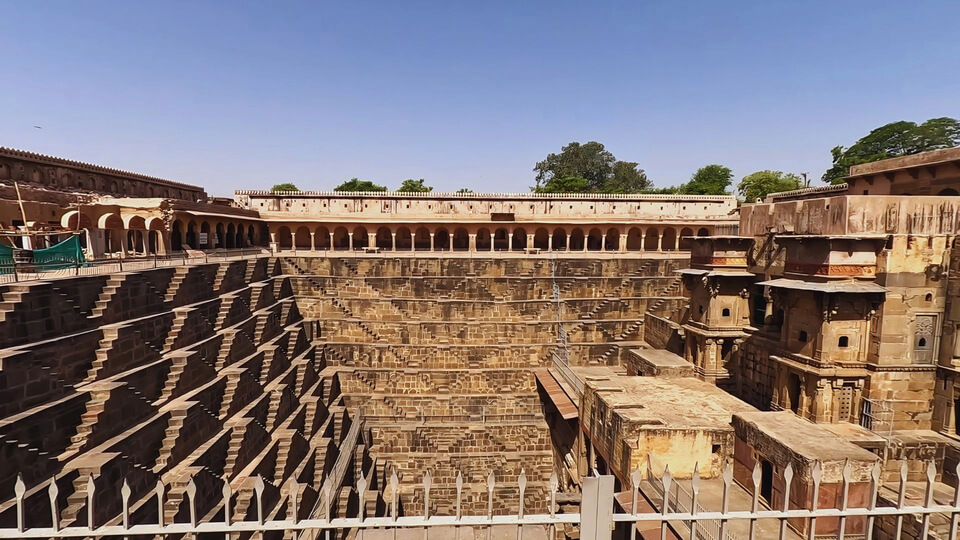
Narayani Mata Temple, Rajgarh, Alwar
An ancient Shakti temple cradled in the Aravalli hills near Sariska, revered as the kuldevi of the Sen (Nai) community and famed for its spring-fed sacred kund. A complete guide to Mata Narayani’s story, darshan, timings, and how to reach — for devotees, pilgrims, and travellers.
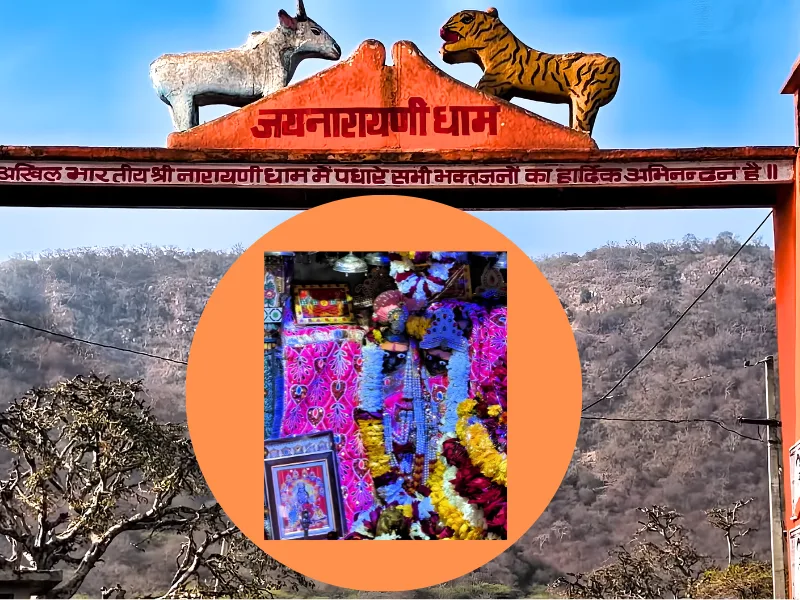
Narayani Mata Temple Alwar (नारायणी माता मंदिर, अलवर) is a revered Shakti temple at the foothills of Barwa ki Dungri, near Rajgarh in Rajasthan’s Alwar district, set deep in the Aravalli hills about 80 km from Alwar city and roughly 10 km from Bhangarh Fort. Narayani Mata, born as Karmeti Bai, is worshipped as the kuldevi of the Sen (Sain) community and revered by devotees across Rajasthan as a form of Sati (सती). Built in the 11th century in the Pratihara style, the temple is best known for its marble kund, fed by a natural spring that rises from behind the sanctum. Devotees hold this water as sacred as the Ganga — many bathe in it and carry it home, and it is believed to heal skin ailments and wash away sins. A grand annual fair (mela) is held on Vaishakh Shukla Ekadashi (April–May), drawing hundreds of thousands of pilgrims, while Navratri sees special worship. Meena families serve as the temple priests.
Everything Covered in This Guide
Navigate to any section — the sacred story, history, the holy kunds, timings, or travel tips — all in one complete guide to Narayani Mata Temple, Alwar.
Temple at a Glance
Story of Narayani Mata
History
Temple Architecture
Sacred Legends Associated
Darshan & Aarti Timings
Best Time to Visit, Festivals & Mela
How to Reach
Pilgrim Essentials, Accessibility & Tips
Rules for Visitors
Nearby Temples & Places
FAQs
Temple at a Glance – Narayani Mata Temple
Temple at a Glance
Complete quick-reference information about Narayani Mata Temple (Narayani Mata Dham), Rajgarh, Alwar — for devotees, pilgrims, researchers, and travellers.
| Temple Identity | ||
| 🏷️ | Official Name | Narayani Mata Temple (नारायणी माता मंदिर) |
| 📝 | Also Known As | Narayani Mata Dham Narayani Mata Mandir Maa Narayani Temple |
| 📍 | Location | Rund Narayani, foothills of Barwa ki Dungri, Rajgarh Tehsil, Alwar, Rajasthan |
| Deity & Worship | ||
| 🙏 | Presiding Deity | Narayani Mata (Maa Narayani) — born as Karmeti Bai, revered as a form of Sati (सती) |
| ✨ | Tradition | Shakti Temple Devi Worship |
| 👪 | Kuldevi Of | Sen (Sain / Nai) Community — India’s foremost Sen Samaj pilgrimage site; revered by all communities |
| 🕉️ | Priests | Served by Meena Community Families |
| History & Architecture | ||
| 📅 | Origin | 11th-century Pratihara style — as per temple tradition; later renovated by the Sen community |
| 🏛️ | Architectural Style | Pratihara Style |
| 💧 | Known For | Natural Spring-Fed Sacred Kund — two kunds (men & women); water revered as sacred as the Ganga |
| How to Reach — Distances | ||
| 🚗 | From Alwar City | ~80 km — via Rajgarh–Tehla road |
| 🏰 | From Bhangarh Fort | ~10 km — on the Alwar–Dausa side |
| 🚆 | Nearest Railway | Dausa Junction — ~37 km |
| ✈️ | Nearest Airport | Jaipur International Airport — approx. 90 km |
| Visitor Information | ||
| 🕰️ | Temple Timings | 8:00 AM – 8:00 PM Open All Days |
| 🪔 | Aarti Timings | Morning 9:30 AM · Evening 7:00 PM — aarti held twice daily |
| 🎟️ | Entry Fee | Free Entry |
| 🎉 | Main Mela | Vaishakh Shukla Ekadashi (April–May) |
| 🪔 | Special Worship | Navratri Ashtami |
Story of Narayani Mata (नारायणी माता की कहानी)
The story of Narayani Mata begins over a thousand years ago in Mauragarh, a village in the Alwar region, where a devout couple named Vijayram and Ramvati were blessed with a daughter, Karmeti Bai, after years of prayer to Lord Shiva (भगवान शिव). As a young bride travelling to her new home, Karmeti and her husband stopped to rest beneath a tree in these Aravalli foothills. There, a snake bit her husband, and he quietly passed away.
In keeping with the modesty of that age, she sat waiting, unaware, until a group of cowherds passed by and gently revealed the truth. Overcome with grief yet steadfast in her devotion, she resolved to become Sati (सती) beside him. A cowherd of the Meena community helped gather wood and prepare the pyre, and as the flames rose on their own, Karmeti was transformed into the goddess devotees now revere as Narayani Mata.
Before she departed, the goddess granted the cowherd who served her a boon. He asked only for water, for his land was parched. She promised that water would follow as far as he walked without turning back. He ran a short distance, then looked back in doubt, and there the sacred spring settled. That very spring still fills the Narayani Mata Kund today.
History of Narayani Mata Temple
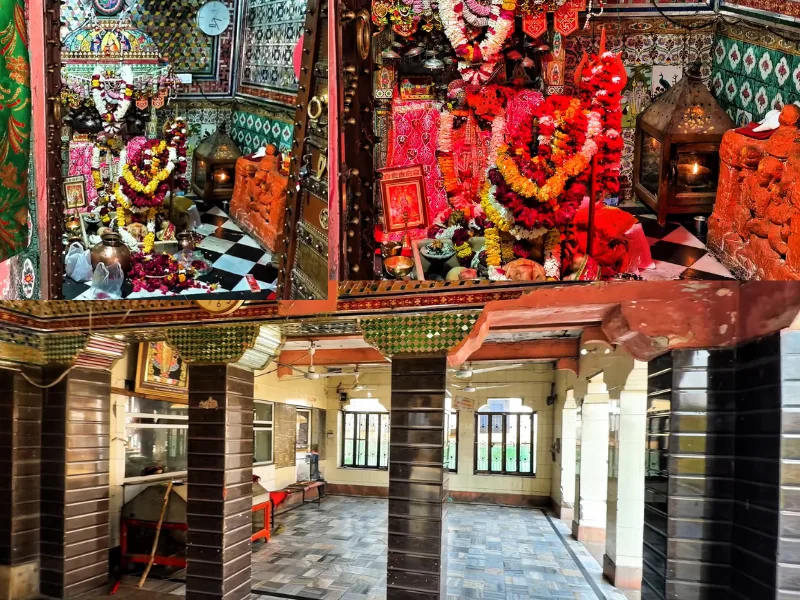
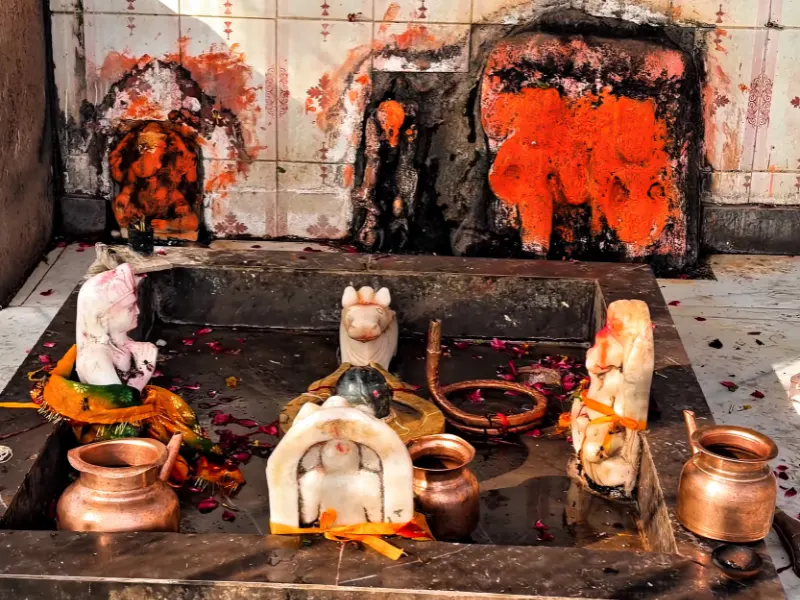
While the sacred story of Narayani Mata lives in the hearts of devotees, the temple itself carries a long and layered heritage. Temple tradition places its construction in the eleventh century, in the Pratihara style that shaped many of Rajasthan’s early temples. Set at the foothills of Barwa ki Dungri in Rajgarh tehsil, Narayani Mata Temple stands within one of Alwar’s most historic landscapes, a short distance from the famous Bhangarh Fort and the forests of Sariska. Over the centuries, the Sen community, who honour Narayani Mata as their kuldevi, carried out repeated renovations that preserved the temple through generations. The marble kund before the sanctum, and the water channels that feed it, were shaped and reshaped by these caretakers over time. Priestly duties have long been held by families of the Meena community, a living continuity that ties the temple directly back to the goddess’s own story.
Today Narayani Mata Dham is recognised as India’s foremost pilgrimage centre of the Sen Samaj, drawing devotees from across Rajasthan and beyond. Its ever-flowing spring has long invited curiosity, and even repeated study has never fully explained where the water rises from, adding a quiet layer of mystery to the temple’s history.
Narayani Mata Temple Architecture
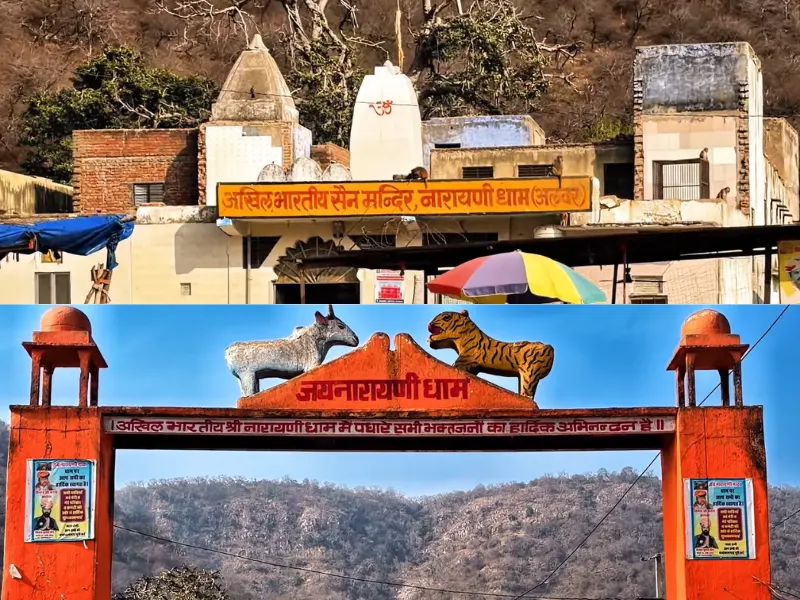
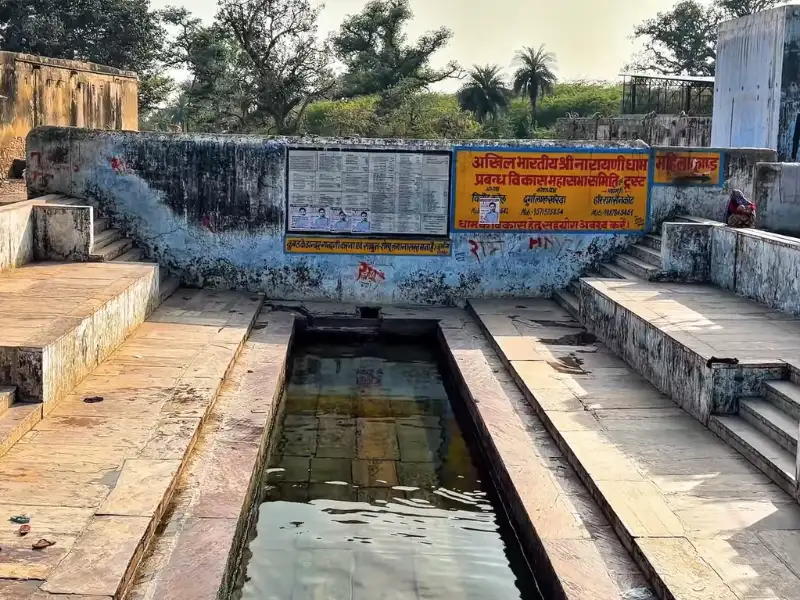
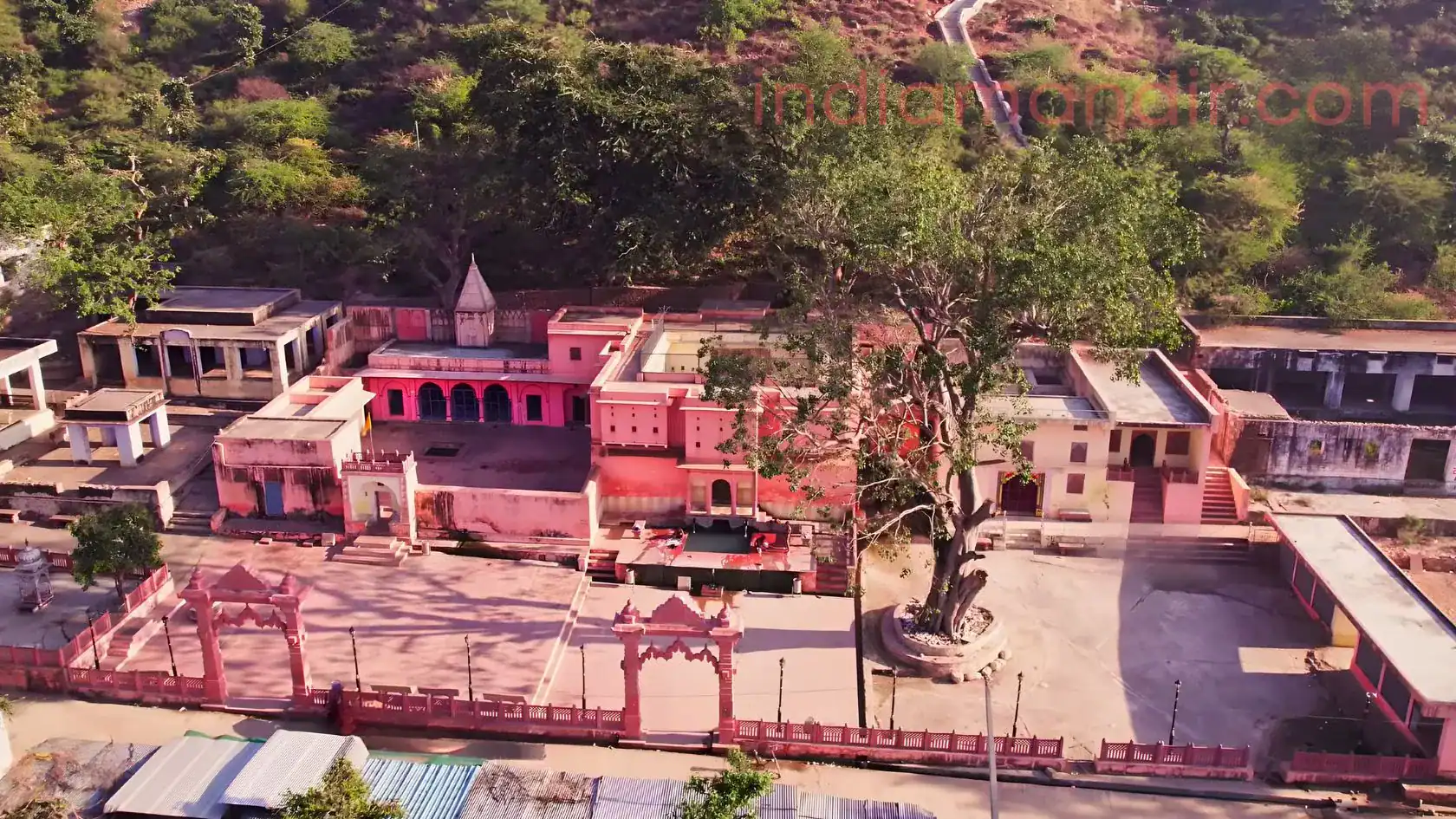
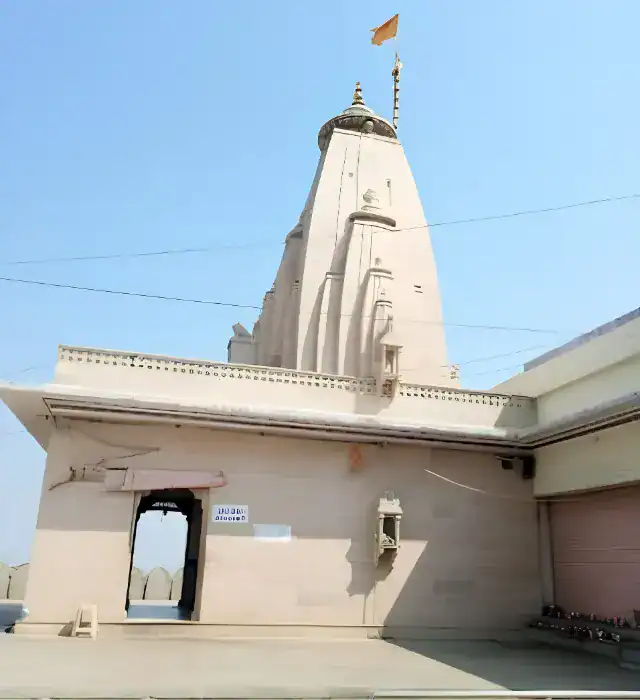
Narayani Mata Temple is a simple and serene temple rather than a grand ornamented complex, and much of its beauty comes from its natural setting. Tucked into the green folds of the Aravalli hills, the temple opens onto a modest courtyard where pilgrims gather before darshan. The sanctum, or garbhagriha, holds the images of Narayani Mata alongside her husband, and a form of Lord Shiva is honoured close by, reflecting the Shakti and Shaiva threads that run through the site. Within the temple complex stand smaller temples and sacred images, including the Ashta Dikpalas, the guardians of the directions. Directly before the temple lies the marble kund, fed endlessly by the spring that rises from beneath the sanctum, while a second kund sits to one side. The unhurried pace, the surrounding forest, and the constant murmur of flowing water give the whole temple a calm and deeply devotional atmosphere.
Visitors often speak of a gentle stillness here, far removed from the rush of larger temples. Bright chunris flutter near the sanctum, the water glistens in the kunds, and the hills rise quietly on every side. It is a place that invites you to slow down, bathe, pray, and simply be present before the goddess.
Sacred Legends Associated with Narayani Mata Temple
Several sacred traditions have grown around Narayani Mata over the generations, and devotees carry them with deep faith. It is believed that when the goddess became Sati, she asked that the black serpent whose bite had taken her husband never be harmed, and to this day her devotees honour that vow with reverence. The waters of the Narayani Mata Kund are held to be as sacred as the Ganga. Pilgrims traditionally bathe here first, washing away weariness and, they believe, their sins, before entering for darshan of the goddess. The kund water is said to remain gently warm through the coldest winter months, and many believe a bath in it can relieve skin ailments. Devotees often carry this holy water home in vessels for their families. Its purity is spoken of in the same breath as revered sacred sites such as Mount Abu, Pushkar, and Ramdevra.
Perhaps the most enduring wonder is the sacred spring itself, rising ceaselessly from beneath the sanctum even as studies have failed to explain its source. Some devotees also speak of coins that seem to shimmer within the temple tank yet slip from the hand. Such beliefs continue to draw pilgrims who come seeking blessings, children, healing, and the fulfilment of their heartfelt prayers.
Darshan and Aarti Timings of Narayani Mata Temple
Darshan & Aarti Timings
Darshan schedule, aarti timings, and visit planning information for Narayani Mata Temple (Narayani Mata Dham), Rajgarh, Alwar.
| Aarti | Time | Important Note |
|---|---|---|
| Morning Aarti Prabhat Aarti | Approx. 9:30 AM | The main morning worship of Narayani Mata, a beautiful time for darshan |
| Evening Aarti Sandhya Aarti | Approx. 7:00 PM | Evening worship as the hills grow quiet, may shift slightly with the season |
| Session | Timing | Notes |
|---|---|---|
| General Darshan Open | 8:00 AM – 8:00 PM | Open continuously through the day, all days of the week |
| Kund Snan Before Darshan | Daylight Hours | Devotees traditionally bathe in the sacred kund first, then take darshan |
Best Time to Visit, Festivals & Mela – Narayani Mata Temple
Best Time to Visit Narayani Mata Temple Alwar
Narayani Mata Temple sits about 80 km from Alwar city, tucked into the Aravalli foothills near Bhangarh Fort and the Sariska belt. Winters here are the kindest, and pilgrims who return again and again point to October through March as the finest window for darshan and a dip in the sacred kund, when the spring water feels pleasantly warm against the cool hill air.
Cool mornings and gentle afternoons make the journey through the hills and the visit to the temple far easier than in the summer months. Winter brings a special reward too, as the water of the sacred kund is believed to stay warm even in the coldest weeks, making the traditional bath before darshan a memorable experience for devotees.
This is when the grand Narayani Mata Mela falls on Vaishakh Shukla Ekadashi, drawing lakhs of devotees who arrive in long processions, many walking barefoot with flags. The days can be genuinely hot, so mela pilgrims should start early, carry enough water, and be ready for large and joyful crowds around the temple complex.
The Aravalli hills around the temple turn a lush green after the rains, and the drive through Rajgarh becomes especially scenic. Showers can make the forest roads slippery, so plan for slower travel and keep an eye on the weather before setting out for Narayani Mata Dham.
Festivals & Mela at Narayani Mata Temple Alwar
| Occasion | When | What to Expect |
|---|---|---|
|
Narayani Mata Mela
Vaishakh Shukla Ekadashi
|
April – May | The grandest annual fair and the most important day at Narayani Mata Dham. Lakhs of devotees arrive from across Rajasthan and beyond, many on foot carrying flags, filling the temple complex and the surrounding market with devotion. |
|
Navratri
Chaitra & Sharad
|
Mar–Apr / Sep–Oct | Both Navratri seasons bring special worship of the goddess and larger gatherings of devotees. The temple sees dedicated puja, bhajan, and kirtan through these nine sacred nights. |
|
Ashtami
Navratri Ashtami
|
Twice Yearly | Ashtami is observed with special reverence for the Devi, and many devotees time their darshan and their bath in the sacred kund around this day for added spiritual merit. |
Plan Around the Kund and the Mela Heat
By long tradition, devotees bathe in the sacred kund first to purify themselves, then proceed for darshan of Narayani Mata, so it helps to carry a change of clothes. If you want the full experience of the warm spring water, winter is the time to come. Should you plan your visit for the grand Vaishakh Shukla Ekadashi mela in April or May, prepare for intense heat and very large crowds by arriving early in the day and carrying plenty of drinking water.
How to Reach Narayani Mata Temple Alwar
How to Reach Narayani Mata Temple, Alwar
Narayani Mata Temple sits deep in the Aravalli hills of Rajgarh tehsil, near the world-famous Bhangarh Fort on the Alwar to Dausa side. Most pilgrims reach Alwar or Dausa first and cover the final stretch by road through Rajgarh and Tehla. If you are already exploring Bhangarh, Neelkanth Mahadev, or the Sariska belt, Narayani Mata Dham makes a natural and rewarding stop.
By Air
Nearest AirportJaipur International Airport is the nearest option at around 90 km from the temple. From Jaipur, the drive to Narayani Mata Dham runs through Dausa and Rajgarh. Delhi is the farther alternative at roughly 260 km, though it offers wider flight connections.
By Train
Nearest Railway StationDausa Junction is the closest railhead at about 37 km from the temple, with the rest of the journey by road. Alwar Junction, on the Delhi to Jaipur line, is another option at around 80 km.
- Dausa Junction: ~37 km, then taxi or bus
- Alwar Junction: ~80 km via Rajgarh and Tehla
- Onward: taxi or private vehicle to the temple
By Road
Via Rajgarh & TehlaFrom Alwar city, the drive to Narayani Mata Temple covers about 80 km and takes roughly 2 to 2.5 hours, passing through Rajgarh and Tehla into the hills. The final stretch winds through the scenic Aravalli landscape near the Sariska belt, so drive carefully and watch for wildlife signage.
- Alwar to Narayani Mata Dham: ~80 km, ~2 to 2.5 hrs
- Jaipur to the temple: ~86 km via Dausa
- Route: Alwar → Rajgarh → Tehla → temple
By Bus & Shared Transport
To Alwar or Dausa, Then OnwardRSRTC buses connect both Alwar and Dausa with Jaipur and Delhi. Buses also run from Alwar and Dausa toward the Rajgarh side, and most pilgrims complete the last leg by taxi or shared vehicle.
- Jaipur → Alwar or Dausa by RSRTC bus
- Delhi → Alwar by RSRTC bus
- Alwar or Dausa onward: taxi or shared vehicle
| From | Distance | Travel Time |
|---|---|---|
Alwar City |
~80 km | ~2 – 2.5 hours |
Dausa Junction |
~37 km | ~1 hour |
Jaipur City |
~86 km | ~2 – 2.5 hours |
Jaipur International Airport |
~90 km | ~2.5 hours |
Delhi |
~257 km | ~5 – 5.5 hours |
| From | Distance |
|---|---|
Bhangarh Fort |
~10 km |
Neelkanth Mahadev Temple |
~24 km |
Pandupol Hanuman Temple |
~38 km |
Baba Yogi Bharthari Nath Temple, Sariska |
~57 km |
Bhangarh Fort Is Just 10 km Away
Since Narayani Mata Dham lies only about 10 km from the famous Bhangarh Fort and around 24 km from Neelkanth Mahadev Temple, many travellers cover all three in a single day on the Alwar to Dausa route. Reaching the temple by mid-morning leaves time for a peaceful darshan and the traditional bath in the sacred kund before moving on. Carry drinking water and a change of clothes, and start early if you are travelling all the way from Alwar or Jaipur.
📍 Google Maps Location
Narayani Mata Temple sits in the Aravalli hills of Rajgarh, near Bhangarh Fort on the Alwar to Dausa side. Use the pin below to navigate straight to the temple complex and the sacred kund.
Narayani Mata Temple, Alwar
Rajgarh Tehsil · Near Bhangarh Fort
The main temple pin for Narayani Mata Dham, covering the sanctum, the marble kund fed by the sacred spring, and the surrounding temple complex in the Aravalli foothills.
Open in Maps →📍 Tip: The final stretch runs through hilly forest roads near the Sariska belt, so download an offline map before you set out, as mobile signal can drop in this area.
Pilgrim Essentials, Accessibility and Practical Tips
Pilgrim Essentials, Accessibility & Practical Tips
Everything you need to know before visiting Narayani Mata Temple, Alwar (Narayani Mata Dham), Rajgarh, Alwar.
Practical Guide to Visiting Narayani Mata Temple Alwar
Rajgarh, Near Bhangarh, Alwar, Rajasthan
🪔 Pilgrim Essentials
-
Temple Timings: 8 AM to 8 PM, All Days
The temple stays open through the day, every day. Morning aarti is held around 9:30 AM and evening aarti around 7:00 PM, so timing your darshan near either brings the fullest devotional experience.
-
Bathe in the Sacred Kund First, Then Darshan
By long tradition, devotees bathe in the spring-fed kund to purify themselves before taking darshan of Narayani Mata. Carry a change of clothes and a small towel so you can follow this cherished custom comfortably.
-
Separate Kunds for Men and Women
The temple has two bathing kunds, one for men and one for women, so families can bathe with ease. Keep the water clean and treat it with the reverence devotees give the Ganga.
-
Prasad, Chunri & Puja Items Nearby
A lively market sits just outside the temple where you can buy coconut, chunri, jyoti, prasad, and shringar items to offer the goddess. Choices are simpler than a city temple, so carry anything specific from Alwar if you need it.
-
Carry a Vessel for the Holy Water
Many devotees fill a small vessel with the sacred kund water to take home for their families, much as pilgrims carry Ganga jal. A clean bottle or lota is worth keeping in your bag.
-
Entry Is Free
There is no ticket or entry fee at Narayani Mata Dham. Anything you spend on prasad, puja items, or offerings is entirely your own choice.
♿ Accessibility Notes
-
Road Reaches Close to the Temple
Unlike some hill temples, vehicles reach close to Narayani Mata Temple, so the final approach on foot is short. The last stretch from Rajgarh and Tehla is a scenic drive through the Aravalli foothills.
-
Uneven Ground Near the Kunds
The area around the kunds can be wet and uneven, and no dedicated ramp or wheelchair path is confirmed. Pilgrims with mobility concerns should walk carefully near the water and bring a companion to assist.
-
Senior Pilgrims Should Choose Cooler Months
The temple sits in open hill country where summer days turn hot. Visiting between October and March makes the journey and the darshan far more comfortable for older visitors and young children.
-
Patchy Mobile Network
Signal can drop along the forested hill roads near the Sariska belt. Download an offline map and share your plan with someone before you set out rather than relying on a mid-route call.
-
Base Yourself in Alwar or Nearby Towns
There is no major pilgrim accommodation at the temple itself. Most visitors stay in Alwar city, or pair the trip with Bhangarh and Sariska, and treat Narayani Mata Dham as a day visit.
🧭 General Practical Tips
-
Watch for Monkeys and Wildlife
The temple lies near the Sariska belt, so monkeys are often seen around the complex and the market. Keep prasad, food, and loose items secured, and stay alert on the forested drive in.
-
Expect Big Crowds During the Mela
The grand Narayani Mata Mela on Vaishakh Shukla Ekadashi in April or May draws lakhs of devotees, many arriving on foot. For a quieter darshan, choose an ordinary weekday well outside the mela and Navratri dates.
-
Wear Comfortable, Grippy Footwear
Between the temple courtyard and the wet edges of the kunds, surfaces can get slippery. Grippy sandals or walking shoes you can slip off easily near the sanctum work best here.
-
Carry Water, Sunscreen & Basics
Facilities are simple and the sun can be strong in the open hill setting. Drinking water, a cap, sunscreen, and a small first-aid kit make the trip easier, especially for families.
-
Start Back Before Dark
The hill roads near Sariska are not well lit and see occasional wildlife movement after dusk. Plan to begin your return journey with daylight in hand for a safe, unhurried drive back.
Rules for Visitors at Narayani Mata Temple Alwar
Rules for Visitors at Narayani Mata Temple, Alwar
Narayani Mata Dham is a locally cared-for sacred site, kept in order through simple shared custom rather than strict enforcement. Devotees have honoured these traditions for generations, and visitors are asked to follow basic temple etiquette and treat the temple, the sacred kund, and the surrounding hills with the same reverence.
- ⚑ Dress modestly and respectfully, as you would at any active place of worship.
- ⚑ Remove footwear before entering the sanctum, as devotees traditionally do.
- ⚑ Maintain a calm, quiet tone near the sanctum and the kunds, out of respect for those in prayer.
- ⚑ By tradition, bathe in the kund first to purify yourself, then proceed for darshan of Narayani Mata.
- ⚑ Use the separate kunds provided for men and women, so families can bathe with comfort and dignity.
- ✕ Do not wash clothes, footwear, or introduce soap into the kund. Devotees hold this water as sacred as the Ganga, so keeping it clean is a firm, shared expectation.
- ⚑ Offer coconut, chunri, jyoti, and prasad respectfully at the sanctum and the smaller temples within the complex.
- ✕ Avoid littering anywhere within the complex, particularly around the kunds and the market area outside the temple.
- ⚑ Keep an eye on food and loose items, as monkeys are commonly seen around the temple near the Sariska belt.
Narayani Mata Dham has been kept and cared for by its devotees and by priests of the Meena community, generation after generation. As the foremost pilgrimage centre of the Sen community, it is a place of deep faith rather than formal rulebooks handed out at the gate.
What holds this temple together is shared respect rather than enforced rule. Visit with the same simple sincerity that devotees have carried here for centuries, and you will need little else.
Nearby Temples and Places to Visit
Nearby Temples & Places to Visit – Narayani Mata Temple Alwar
Narayani Mata Dham sits near several major pilgrimage sites and landmarks on the Alwar to Dausa side of the Sariska belt. If you are already making the drive out here, these are well worth combining into the same trip.
A 10th-century Shiva temple complex with ASI-documented ruins, set on a forest plateau in the Tehla region. One of the closest and most rewarding pairings with a Narayani Mata Dham visit.
A revered reclining Hanuman idol set inside Sariska Tiger Reserve, linked to the Pandavas’ forest exile. A natural stop for pilgrims covering this stretch of Alwar’s hill temples.
The revered samadhi of Baba Bhartrihari, the king of Ujjain who became a Nath yogi. A major Alwar pilgrimage site known for its Lakkhi Mela on Bhadrapada Shukla Ashtami.
A serene Nath tradition temple within the Sariska landscape, drawing devotees who follow the path of the yogis. A peaceful addition to a wider Alwar temple circuit.
One of India’s most famous historic forts, set in a scenic valley on the Alwar to Dausa route. Its ruins, temples, and legends make it the closest major landmark to Narayani Mata Dham. Note that entry is restricted after sunset.
Narayani Mata Temple sits at the edge of this famous tiger reserve landscape. The forests, safaris, and hill scenery make Sariska a rewarding pairing, though wildlife caution applies on the approach roads.
The scenic tehsil that leads to the temple, dotted with Aravalli hills, villages, and old stepwells. The drive itself, through Rajgarh and Tehla, is part of the pilgrimage experience.
The complete guide to temples across Alwar district, including Bhartrihari Dham, Neelkanth Mahadev, Pandupol Hanuman, Karni Mata Temple inside Bala Quila fort, and Jagannath Temple in the old city, with seasonal and practical guidance for the whole district.