Bhartrihari Temple Alwar, Bharthari Dham
The dham where King Bhartrihari of Ujjain gave up his throne to become a yogi under Guru Gorakhnath, hidden among the hills beside Sariska with the ever-flowing Amar Ganga at its heart.
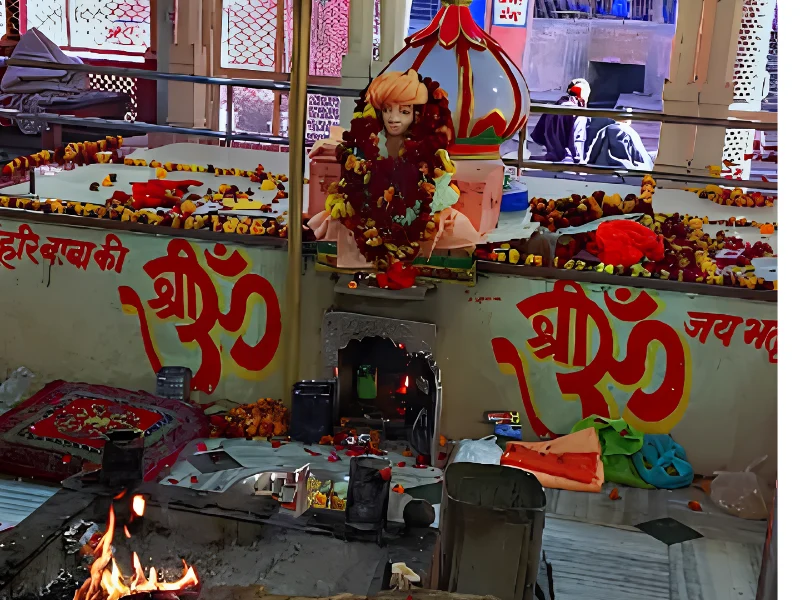
Bhartrihari Temple Alwar (श्री बाबा योगी भरथरी नाथ मंदिर) sits about 37.9 km from Alwar city, on the edge of the Sariska forest belt, and takes a little over an hour to reach via NH 248A. Locally called Bharthari Dham or Bharthari Baba Ka Mandir, the site marks where King Bhartrihari of Ujjain, elder brother of the legendary Vikramaditya, gave up his throne and became a wandering yogi under Guru Gorakhnath.
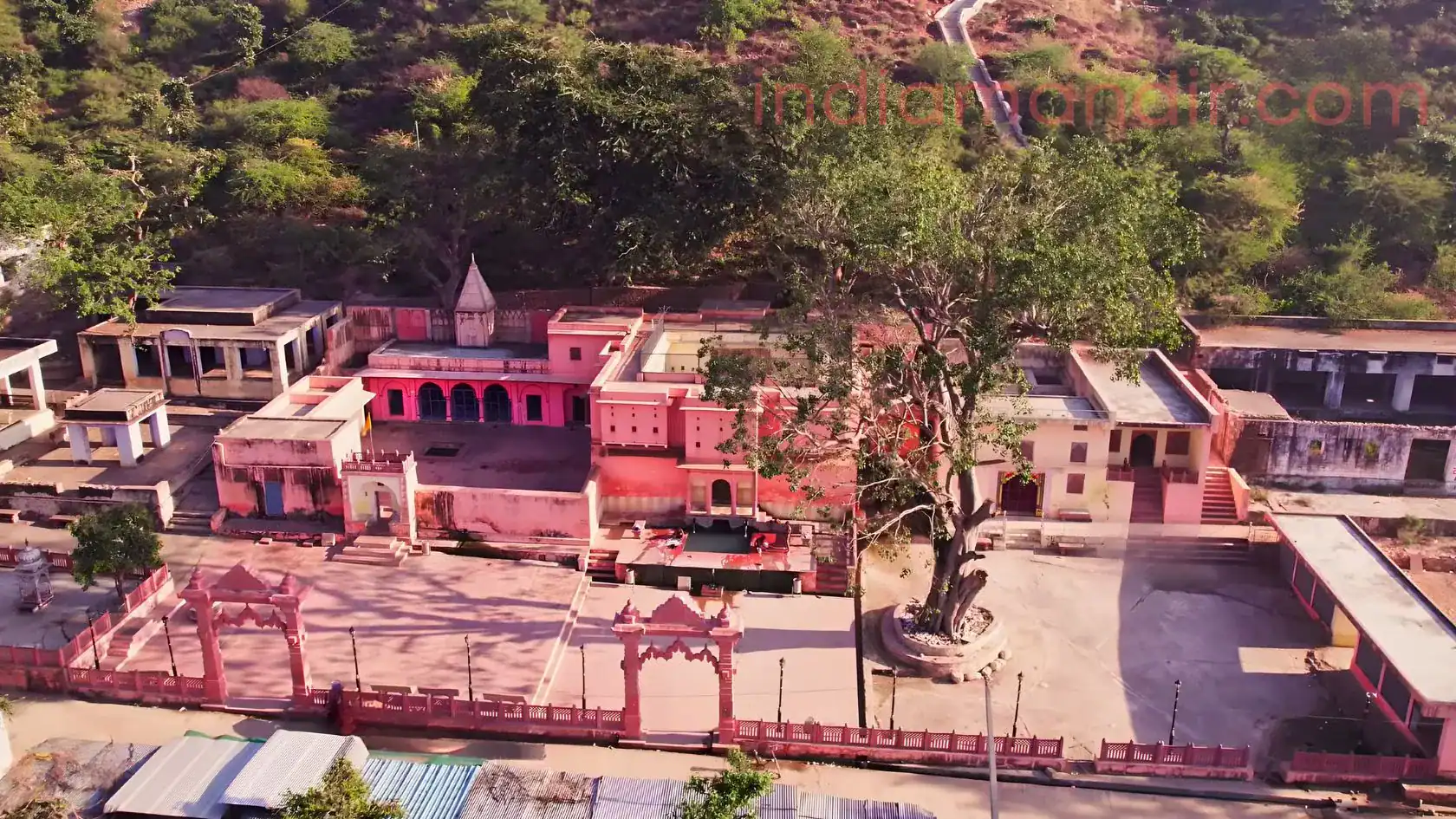
This is not a single shrine but a whole sacred complex, ringed by hills on three sides. It holds Amar Ganga, a spring that has flowed here for as long as anyone remembers, a tapobhoomi where Bharthari is believed to have meditated for twelve years, a cave linked to a well known local legend, and smaller shrines to Gorakhnath’s own guru Machindranath and to Bharthari’s nephew and niece, Gopichand and Chandravali. Every year on Bhadrapada Shukla Ashtami, the Lakkhi Mela brings lakhs of pilgrims to this quiet corner of Alwar.
Everything Covered in This Guide
Navigate to any section — mythology, history, the sacred Tapobhoomi, timings, or travel tips — all in one comprehensive guide.
Temple at a Glance
Mythology — Bhartrihari’s Story
History
Tapobhoomi & Amar Ganga
The Samadhi & Temple Architecture
The Cave (Gufa) of Raja Jai Singh
Darshan & Timings
Best Time to Visit & Mela Calendar
How to Reach
Pilgrim Essentials, Accessibility & Tips
Rules for Visitors
Nearby Temples & Places
FAQs
Bhartrihari Temple Alwar (Bharthari Dham) – Temple at a Glance
Temple at a Glance
Complete quick-reference information about Bhartrihari Temple (Bharthari Dham), Alwar — for devotees, researchers, and travellers.
| Temple Identity | ||
| 🏷️ | Official Name | Shri Baba Yogi Bharthari Nath Temple (श्री बाबा योगी भरथरी नाथ मंदिर) |
| 📝 | Also Known As | Bharthari Dham Bharthari Baba Ka Mandir Raja Bharthari Temple |
| 📍 | Location | Sariska forest belt, Alwar District, Rajasthan |
| Deity & Worship | ||
| 🙏 | Presiding Figure | Baba Bhartrihari (Yogi Samrat) — King of Ujjain turned Nath yogi |
| ✨ | Tradition | Nath Sampradaya Disciple of Guru Gorakhnath |
| History & Architecture | ||
| 📅 | Origin | Local tradition dates it 2,000+ years — oral tradition, not ASI-documented |
| 🏛️ | Architectural Style | Traditional Rajasthani Style |
| 🔖 | Maintained By | Built & Maintained by Devotees |
| How to Reach — Distances | ||
| 🚗 | From Alwar City | ~37.9 km — approx. 1 hr 12 min via NH 248A |
| 🚆 | Nearest Railway | Alwar Junction — ~38 km |
| ✈️ | Nearest Airport | Jaipur International Airport — Approx. 131 KM |
| Visitor Information | ||
| 🕰️ | Visiting Hours | 6:00 AM – 7:00 PM All Days |
| 🎟️ | Entry Fee | Free Entry |
| 🎉 | Main Mela | Bhadrapada Shukla Ashtami (Lakkhi Mela) |
Mythology — Story of Raja Bhartrihari
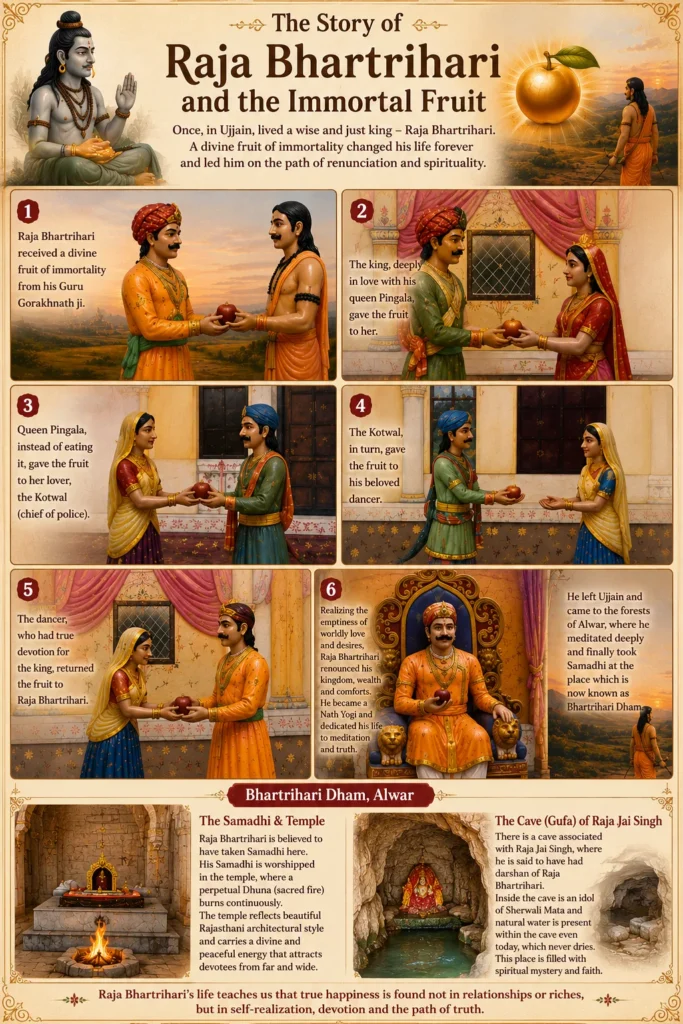
Long before Bhartrihari Dham became a quiet retreat near Sariska, its story began far away in Ujjain, where King Bhartrihari ruled with wisdom and generosity. He was deeply devoted to his queen, Pingala, and their life together seemed complete.
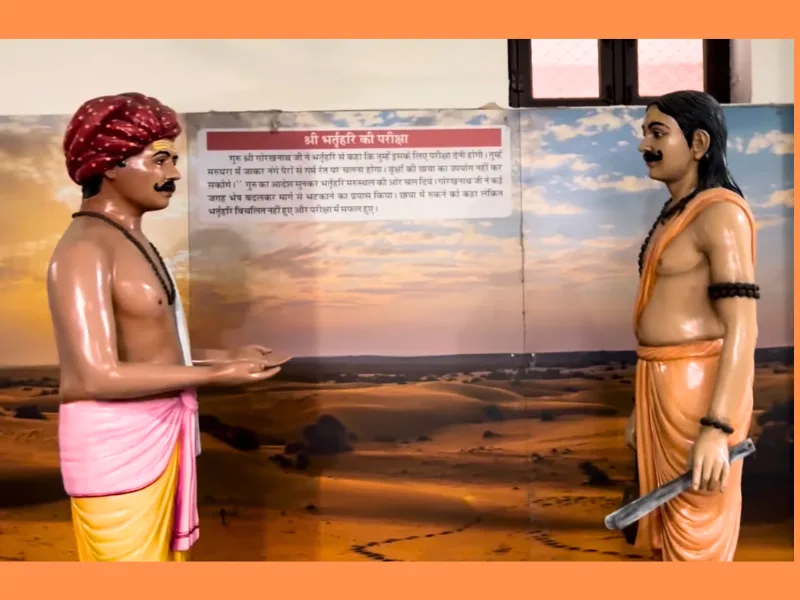
Guru Gorakhnath, travelling with his disciples, once arrived at the king’s court, and Bhartrihari welcomed him with such warmth that the guru was pleased. Before continuing his journey, Gorakhnath gave the king a rare fruit, the amar phal, saying that whoever ate it would never grow old or fall ill.
Wanting his beloved queen to remain young forever, Bhartrihari gave the fruit to Pingala. But Pingala’s heart belonged to the palace kotwal, and she quietly passed the fruit to him. The kotwal, in turn, gave it to a dancer he was fond of, hoping she would stay eternally beautiful for him.
The dancer, however, thought differently. She reasoned that a king who cared for his people deserved a long life far more than she did, and so she returned the fruit to Bhartrihari himself. The moment he saw it, the king understood everything, and the truth of his queen’s betrayal broke his heart completely.
In that instant, all his attachment to the throne, to Pingala, and to worldly life dissolved. He handed his kingdom to his younger brother Vikramaditya and took shelter at the feet of Guru Gorakhnath, becoming his disciple and a wandering Nath yogi. His path eventually led him to the forested hills near Alwar, where he sat in deep tapasya for years, drawing closer to the moment devotees still honour at Bhartrihari dham today.
History of Bhartrihari Temple Alwar
Separating fact from devotion here actually strengthens the Bhartrihari Temple’s story rather than weakening it. Some historical records point to a Sanskrit poet-philosopher named Bhartrihari, believed by certain scholars to have lived around the 1st century BCE, remembered for works like the Shatakatrayam on ethics, love, and renunciation. Devotees at this Alwar dham, however, connect their reverence to the king-turned-yogi Bhartrihari of Ujjain, brother of the legendary Vikramaditya, whose name still marks the Vikram Samvat calendar followed across North India today.
The exact year this particular temple complex was first built has not been formally recorded in any inscription or government record, so instead of assigning it a specific century, we simply share what has been passed down: worshippers here hold that the site has drawn pilgrims for well over two thousand years, a timeframe rooted in the temple’s own oral memory rather than in archaeological dating.
What can be said with confidence is that Bhartrihari Dham (Bharthari Temple) has functioned as a living place of Nath Sampradaya worship for many generations, with its samadhi, dhuna, and surrounding shrines maintained continuously by devotees rather than by any single royal patron.
Tapobhoomi & Amar Ganga
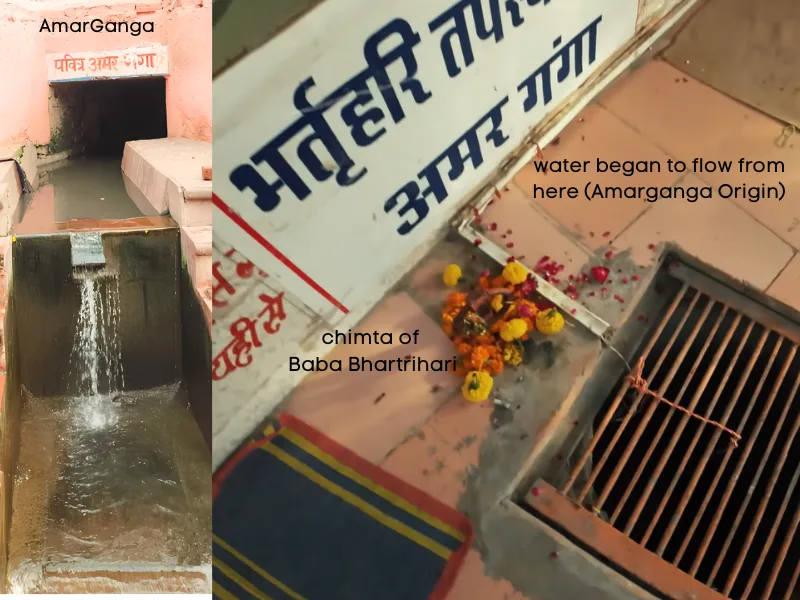
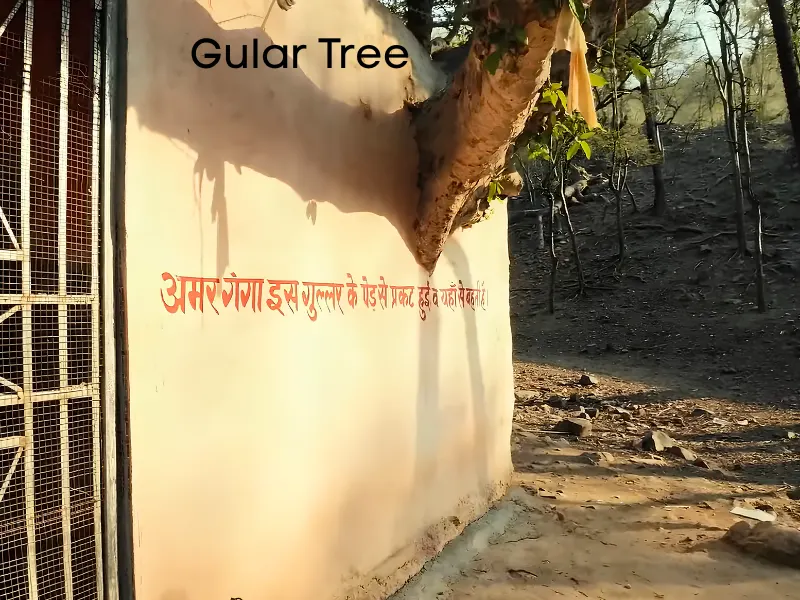
A short walk from the main samadhi lies the Tapobhoomi, the place where Baba Bhartrihari is said to have sat beneath an ancient gular tree and given himself entirely to tapasya for twelve long years. Temple tradition holds that, in a time when the surrounding forest had gone without rain for years and its creatures were dying of thirst, Baba Bhartrihari struck the ground near the tree’s roots with his chimta, and water began to flow from that very spot.
Devotees named it Amar Ganga, the immortal Ganga, and it has continued flowing without pause ever since, through every season, every year, regardless of rainfall elsewhere in the region. To this day, pilgrims walk to this exact spot before or after their darshan at the samadhi, touching the water to their forehead and, for many, tracing the stream back to its source beneath the gular tree with quiet reverence.
Devotees also hold that a naga and nagin, a sacred serpent pair, keep watch over Amar Ganga at all times, a belief passed down through generations of visitors to this dham. Whether or not one has seen them, the sense of something watchfully sacred here is part of what draws pilgrims back to this spot again and again.
The Samadhi & Temple Architecture of Bhartrihari Temple Alwar (Bharthari Dham)
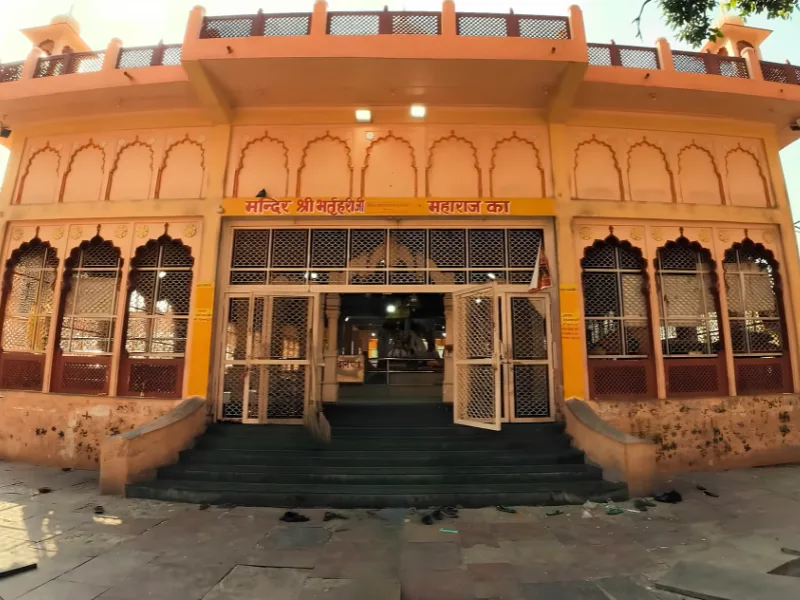
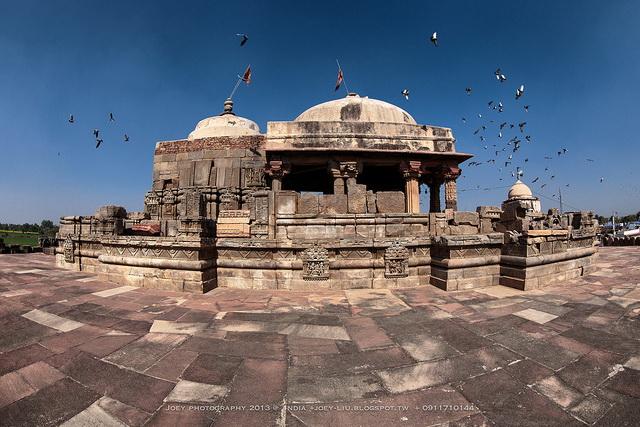
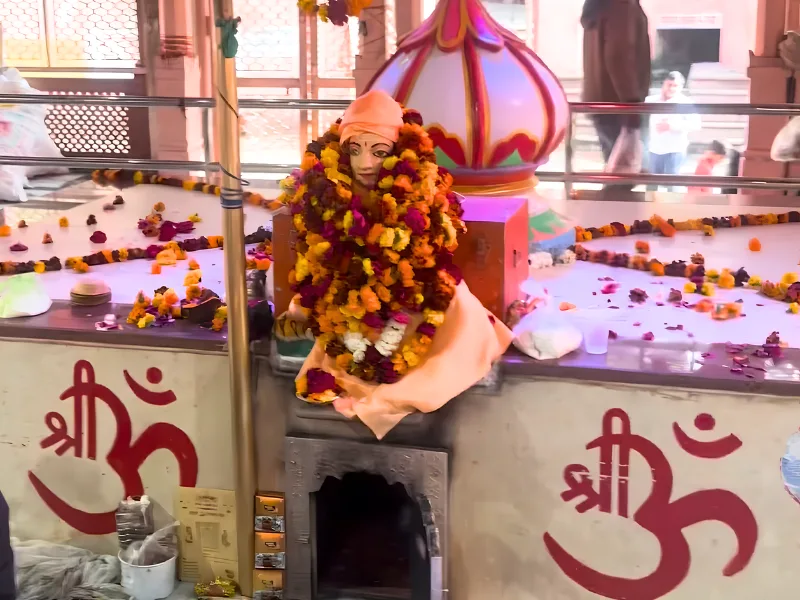
At the heart of Bhartrihari Dham lies the samadhi itself, the spot where Baba Bhartrihari is said to have set aside his body and merged into the earth after completing his tapasya. A statue and shrine now mark this sacred point, standing just ahead of a Shivling that devotees worship before approaching the samadhi.
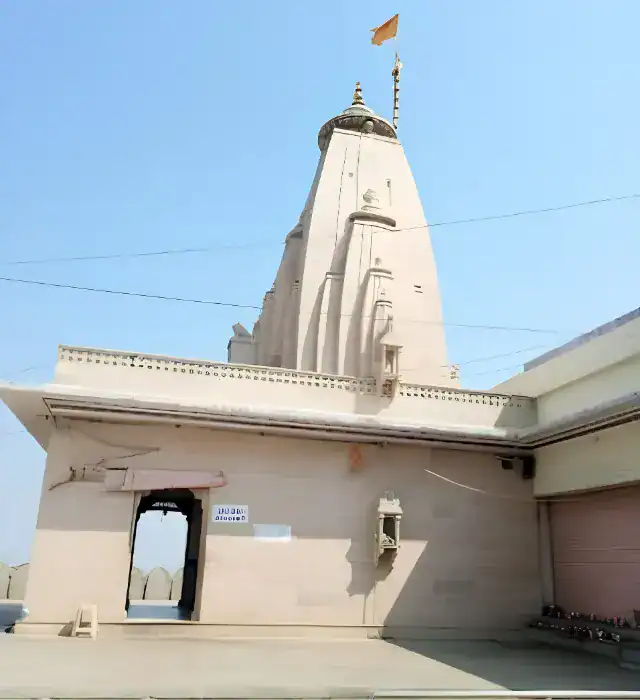
Close by burns the temple’s dhuna, a sacred fire that is kept alive without pause, day and night, through every season of the year, much like the akhand deep tradition followed at many Nath shrines across Rajasthan. The temple itself is built in a traditional Rajasthani style, with its stone structure and courtyards blending naturally into the landscape around it, and the entire complex is cradled by hills on three sides, giving the whole area a stillness that visitors often describe as instantly calming.
Within the same grounds sit smaller shrines to Lord Shiva, to Guru Gorakhnath, and to Machindranath, Gorakhnath’s own guru, alongside the flowing waters of Amar Ganga that pass right through the temple courtyard.
The Cave (Gufa) of Raja Jai Singh
A little away from the main samadhi lies a cave that carries one of the dham’s most cherished stories. It is said that Raja Jai Singh of Alwar once came hunting in these forests and came upon a lion, unaware that the animal before him was Baba Bhartrihari himself in another form.
The king’s arrow found its mark, and the wounded lion retreated into a cave nearby. Following the trail, Raja Jai Singh entered the cave himself, and there, instead of a wounded animal, he found Baba Bhartrihari seated in quiet meditation. Overcome by what he had witnessed, the king took his darshan and vowed from that day never to hunt again, a promise devotees still recount whenever they visit this cave. Inside, a Sherwali Mata idol watches over the space, and natural water continues to collect within the rock even now, adding to the cave’s quiet, otherworldly feel.
Pilgrims visiting Bhartrihari Dham often make it a point to enter this cave before or after their darshan at the main samadhi, treating it as an essential part of the pilgrimage rather than a separate stop.
Darshan and Aarti Timings – Bhartrihari Temple
Darshan & Aarti Timings
Darshan schedule, aarti timings, and visit planning information for Bhartrihari Temple (Bharthari Dham), Alwar.
| Aarti | Time | Important Note |
|---|---|---|
| Morning Aarti Mangala Aarti | Approx. 6:00 AM – 6:30 AM | Marks the opening of the day’s darshan at the samadhi |
| Evening Aarti Sandhya Aarti | Approx. 6:30 PM – 7:00 PM | Timed close to sunset, may shift slightly with the season |
| Session | Timing | Notes |
|---|---|---|
| General Darshan Open | 6:00 AM – 7:00 PM | Open continuously through the day, all days of the week |
Best Time to Visit Temple and Explore Festivals
Best Time to Visit Bhartrihari Temple Alwar
Bhartrihari Dham sits about 37.9 km from Alwar city, cradled by hills on three sides near the Sariska forest belt. The temperature swing here is sharp between seasons, and pilgrims who have made the trip before consistently point to February and March as the most comfortable window for darshan.
Cool mornings and mild afternoons make the walk from the parking area to the samadhi far more pleasant than in peak summer. This is the window locals themselves recommend, well before the pre-monsoon heat sets into the Aravalli hills around the dham.
The 4 to 5 km walk from parking to the temple has no real shade cover, and daytime heat in this stretch of Alwar can be intense. If your visit falls in these months, plan to arrive as early in the day as possible and carry enough water for the full stretch.
The hills around Amar Ganga turn a deep green in these months, and this is also when the Bhadrapada Shukla Ashtami Lakkhi Mela falls, drawing large numbers of pilgrims. The walking trail can turn slippery after rain, so sturdy footwear matters more here than at any other time of year.
Festivals & Mela at Bhartrihari Temple Alwar
| Occasion | When | What to Expect |
|---|---|---|
|
Lakkhi Mela
Bhadrapada Shukla Ashtami
|
August – September | The temple’s main annual fair, drawing large numbers of pilgrims over three days. Parking moves further from the temple during this period, so the usual walk gets longer than the standard 4 to 5 km. |
The 4–5 km Walk Isn’t Just a Mela Thing
Unlike many temples where the parking-to-shrine distance shrinks outside festival dates, the walk here stays roughly 4 to 5 km year-round because of how the site is laid out. During the Bhadrapada Ashtami mela, expect this to stretch out further as parking gets pushed back to manage the crowd. If you’d rather walk in peace, visit on an ordinary weekday outside the mela window.
How to Reach Bhartrihari Temple (Bharthari Dham) Alwar
How to Reach Bhartrihari Temple, Alwar
Bhartrihari Dham sits close to the Sariska forest belt, so most pilgrims travel to Alwar city first and cover the remaining stretch by road. The temple is also an easy add-on if you’re already visiting Pandupol Hanuman Temple or Naldeshwar Mahadev, both of which sit within a short drive.
By Air
Nearest AirportsJaipur International Airport is the closer option at around 131 km from the temple. Delhi (IGI) is farther at roughly 190 km, but often has more flight options depending on where you’re travelling from.
By Train
Nearest Railway StationAlwar Junction, on the Delhi–Jaipur line, is the nearest railhead at about 36 km from the temple. From the station, the rest of the journey is by road.
- From Jaipur: ~2 hours by train to Alwar
- From Delhi: ~2 to 2.5 hours to Alwar
- From Alwar Junction onward: taxi or private vehicle, ~36 km
By Road
Via NH 248AFrom Alwar city, the drive to Bhartrihari Dham covers 37.9 km via NH 248A and takes around 1 hour 12 minutes by car. The road runs close to the Sariska belt for part of the way, so keep an eye out for wildlife-crossing signage along the route.
- Alwar city to Bhartrihari Dham: ~37.9 km, ~1 hr 12 min
- Route: NH 248A, passing near Sariska
- Parking: a further 4 to 5 km walk from the parking area to the temple, year-round
By Bus & Shared Transport
To Alwar, Then OnwardRSRTC buses connect Alwar with Jaipur and Delhi regularly. From the Alwar Bus Stand, around 35 km from the temple, most pilgrims continue by taxi or shared vehicle.
- Jaipur Sindhi Camp Bus Stand → Alwar
- Delhi Kashmiri Gate Bus Stand → Alwar
- Alwar Bus Stand onward: taxi or private vehicle, ~35 km
| From | Distance | Travel Time |
|---|---|---|
Alwar City |
~37.9 km | ~1 hr 12 min |
Alwar Railway Station |
~36 km | ~1 – 1.2 hours |
Alwar Bus Stand |
~35 km | ~1 – 1.2 hours |
Jaipur International Airport |
~131 km | ~2.5 – 3 hours |
Delhi Airport |
~190 km | ~4 – 4.5 hours |
| From | Distance |
|---|---|
Pandupol Hanuman Temple |
~25 km |
Naldeshwar Mahadev Temple |
~10 km |
Naldeshwar Mahadev Is Just 10 km Away
If you’re already making the trip out toward Sariska, Naldeshwar Mahadev Temple is only about 10 km from Bhartrihari Dham, and Pandupol Hanuman Temple is around 25 km away. Many pilgrims cover two or all three in a single day trip. Remember to budget extra time for the 4 to 5 km walk from parking to the temple itself, which stays the same throughout the year.
📍 Google Maps Locations
Bhartrihari Dham has two distinct map pins — one for the main temple and samadhi, and one for the Raja Jai Singh cave (Gufa). Use the correct one depending on what you’re navigating to.
Bhartrihari Temple, Alwar
Main temple & samadhi location
The main temple pin — the samadhi of Baba Bhartrihari, the Amar Ganga, and the wider temple complex.
Open in Maps →Bhartrihari Cave (Gufa)
Raja Jai Singh darshan site
A separate pin marking the cave associated with Raja Jai Singh’s darshan of Baba Bhartrihari — useful if you’re navigating to the cave rather than the main temple pin.
Open in Maps →⚠️ These are two different pins for two points within the same complex — the main temple and the cave are not at the same coordinates. Confirm which one matches your plan before setting off.
Pilgrim Essentials, Accessibility and Practical Tips – Bhartrihari Temple
Pilgrim Essentials, Accessibility & Practical Tips
Everything you need to know before visiting Bhartrihari Temple (Bharthari Dham), Alwar.
Practical Guide to Visiting Bhartrihari Temple
Near Sariska, Alwar, Rajasthan
🪔 Pilgrim Essentials
-
Darshan Runs 6 AM to 7 PM, All Days
The temple stays open through the day with no midday closure. Arriving by mid-morning gives you a calmer darshan before the day’s footfall builds up.
-
Dress Modestly
This is an active samadhi site tied to renunciation and tapasya. Light, modest cotton clothing suits both the temple grounds and the walk in.
-
Carry Drinking Water for the Walk
The 4 to 5 km walk from parking to the temple has limited shade in stretches. Carry enough water for the full round trip rather than just the visit itself.
-
Puja Items & Prasad
Shops near the entrance sell prasad and basic puja items. Choices are limited compared to a city temple, so bring anything specific from Alwar beforehand.
-
Touch the Amar Ganga Water to Your Forehead
Devotees consider it customary to touch the water of Amar Ganga to their forehead on entering the complex. Bathing or washing is welcome, but keeping the water clean is taken seriously here.
-
Entry Is Free
There is no ticket or entry fee at Bhartrihari Dham. Any amount you spend on prasad or puja items is entirely optional.
♿ Accessibility Notes
-
A 4–5 km Walk Is Standard Year-Round
Vehicles stop short of the temple, and the remaining 4 to 5 km is covered on foot. This isn’t a mela-season restriction. It applies every day of the year.
-
Limited Infrastructure for Reduced Mobility
No dedicated ramp or wheelchair path is confirmed along the walking stretch or inside the cave area. Pilgrims with mobility concerns should plan for uneven, rocky ground and bring a companion who can assist.
-
Senior Pilgrims Should Choose Cooler Months
The walk from parking is the real strain for older visitors, more than the temple itself. Visiting between February and March makes the walk far more manageable.
-
Patchy Mobile Network
Network coverage is inconsistent along the walking stretch and inside the forested parts of the complex. Carry essentials with you rather than relying on a mid-route call for help.
-
Stay in Alwar, Not at the Temple
There is no pilgrim accommodation at the dham itself. Most visitors base themselves in Alwar city and treat Bhartrihari Dham as a day trip.
🧭 General Practical Tips
-
Watch for Monkeys and Wildlife
Given the temple’s location near the Sariska belt, monkeys are commonly seen around the walking trail and the Amar Ganga area. Keep food and loose items secured, and stay alert on the forested stretches.
-
Avoid the Mela Days If You Want a Quiet Visit
During the Bhadrapada Shukla Ashtami Lakkhi Mela, parking moves further back and the walk gets longer due to crowd management. Any regular weekday outside the mela dates offers a calmer darshan.
-
Visit the Cave Before or After the Samadhi
Most pilgrims treat the Raja Jai Singh cave, with its Sherwali Mata idol, as an essential part of the visit rather than a separate stop. Plan a little extra time for it in your visit.
-
Wear Sturdy, Comfortable Footwear
The walking trail includes rocky and uneven patches, especially closer to the tapobhoomi and Amar Ganga area. Regular walking shoes work far better than sandals here.
-
Don’t Rush the Return Walk
Start your walk back to the parking area with enough daylight in hand. The trail isn’t lit after dark, and rushing it in fading light isn’t worth the saved time.
Rules for Visitors at Bhartrihari Temple
Rules for Visitors at Bhartrihari Temple
Bhartrihari Dham has no formal rulebook posted at its gates. It is a locally managed sacred site, kept in order through simple, shared custom rather than strict enforcement. Visitors are asked to follow basic temple etiquette and treat the space with the same respect its devotees have for generations.
- ⚑ Dress modestly and respectfully, as you would at any active place of worship.
- ⚑ Remove footwear before entering the main temple and samadhi area, as devotees traditionally do.
- ⚑ Maintain a calm, quiet tone near the samadhi and the Amar Ganga, out of respect for those in prayer or meditation.
- ✕ Do not introduce soap, detergent, or any pollutant into the flowing water — devotees consider keeping it clean a firm, shared expectation.
- ⚑ Washing hands, feet, and face in the water is welcomed, as is touching it to your forehead before darshan.
- ⚑ Offer prasad and puja items respectfully at the samadhi and the smaller shrines within the complex.
- ✕ Avoid littering anywhere within the complex, particularly near the Amar Ganga and the walking trail leading to it.
- ⚑ Keep an eye on food and loose items, as monkeys are commonly seen moving through the complex.
Unlike temples with posted rulebooks or formal management trusts, Bhartrihari Dham has been kept and cared for largely by its devotees and local priests, generation after generation. There is no strict list of dos and don’ts handed to visitors at the gate.
What holds this place together is shared respect rather than enforced rule. Visit with the same simple sincerity that has kept this dham alive for centuries, and you will need little else.
Nearby Temples and Places to Visit – Bhartrihari Temple
Nearby Temples & Places to Visit
Bhartrihari Dham sits close to several other pilgrimage sites and landmarks in the Sariska belt of Alwar — worth combining into the same trip if you’re already making the drive out here.
An 18th-century cave shrine with a natural Shivling, set among the same forested hills near Sariska. One of the closest and easiest pairings with a Bhartrihari Dham visit.
A reclining Hanuman idol set inside Sariska Tiger Reserve, linked to the Pandavas’ forest exile. A natural extension for pilgrims already covering this stretch of Alwar’s hill temples.
A 10th-century Shiva temple complex with ASI-documented ruins, set on a forest plateau within the wider Sariska landscape — another major Shiva pilgrimage stop in the same district.
The kuldevi shrine of the Sain community, sitting within the same Sariska-adjacent stretch of Alwar as Bhartrihari Dham.
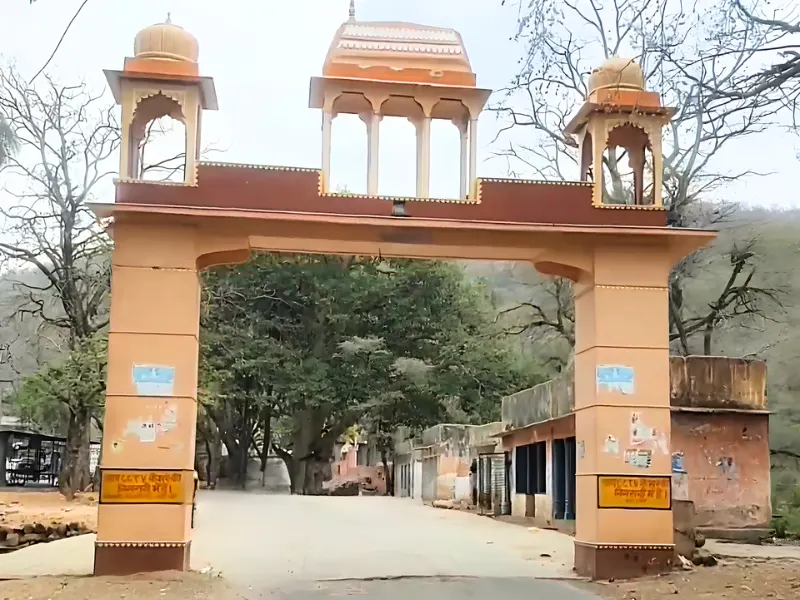
Parts of the Bollywood film Karan Arjun were shot in and around this area, including a bangle shop scene near the temple entrance that visitors still point out today.
A remote hilltop fort inside Sariska, historically linked to Aurangzeb, who is said to have imprisoned his brother Dara Shikoh here. Check forest department access rules before visiting.
Bhartrihari Dham sits right at the edge of this active tiger reserve landscape. Wildlife caution applies on the approach roads even outside the ticketed core zone.
The complete guide to temples across Alwar district — including Karni Mata Temple inside Bala Quila fort, Jagannath Temple in the old city, and seasonal and practical guidance for the whole district.
Frequently Asked Questions (FAQs) about Bhartrihari Temple
References and Sources
- On-ground visit by the IndiaMandir team to Bhartrihari Temple, Alwar — direct observation of the samadhi, Amar Ganga, temple complex, and the Raja Jai Singh cave (Gufa), confirming visitor access to the cave
- Incredible India, Ministry of Tourism, Government of India — incredibleindia.gov.in — general destination reference for Bhartrihari Temple, Alwar
- Rajasthan Tourism, Department of Tourism, Government of Rajasthan — tourism.rajasthan.gov.in — heritage and destination details for the Alwar and Sariska region
- Government of Rajasthan, Alwar District Portal — alwar.rajasthan.gov.in — administrative and district reference information
- Google Maps & Google Reviews — Bhartrihari Temple, Alwar and Bhartrihari Cave (Gufa) listings — used for route confirmation and location verification of the samadhi, Amar Ganga, and cave sites. Cross-referenced across multiple reviews for consistency before inclusion.
- On-site visitor accounts and YouTube documentation — multiple independently recorded visits to Bhartrihari Dham and the Tapobhoomi/Amar Ganga area — used for temple complex details, mythology retellings, the Raja Jai Singh cave tradition, mela details, and practical visitor information. Cross-referenced across sources for consistency before inclusion.
- IndiaMandir editorial team — on-ground route verification via Google Maps, confirming distance from Alwar city (~37.9 km via NH 248A), distance from Alwar railway station and bus stand, and the historical distinction between the poet-philosopher Bhartrihari and the yogi-king Bhartrihari honoured at this dham