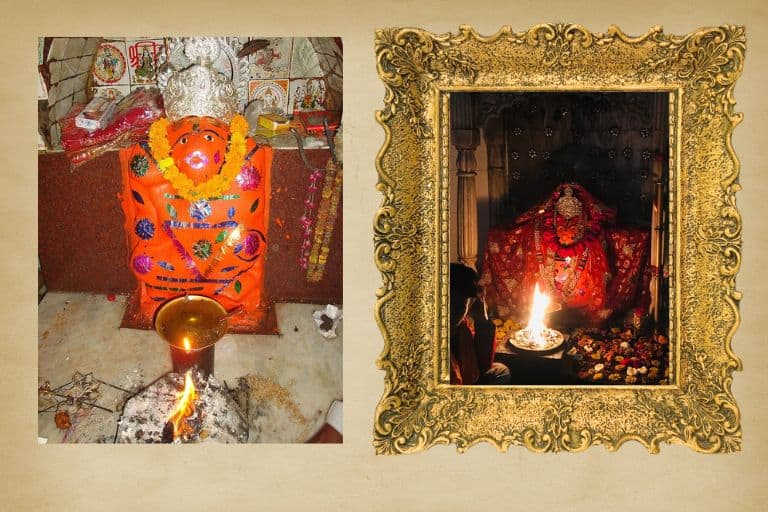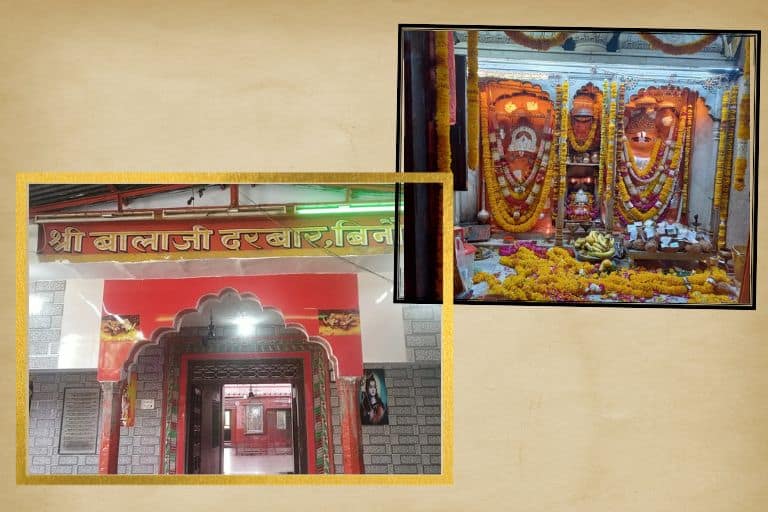
Jhaji Ram Pura Dham Hanuman Temple — Complete Temple & Kund Guide
Temple at a Glance
Complete quick-reference information about Jhaji Rampura Dham Hanuman Temple — deities, location, travel, and visitor essentials.
| Temple Identity | ||
| 🏷️ | Temple Name | Jhaji Rampura Dham Hanuman Temple |
| 🔤 | Also Known As | झाझी रामपुरा धाम हनुमान मंदिर · झाझीरामपुरा हनुमान जी मंदिर · Jhanjhi Rampura Dham |
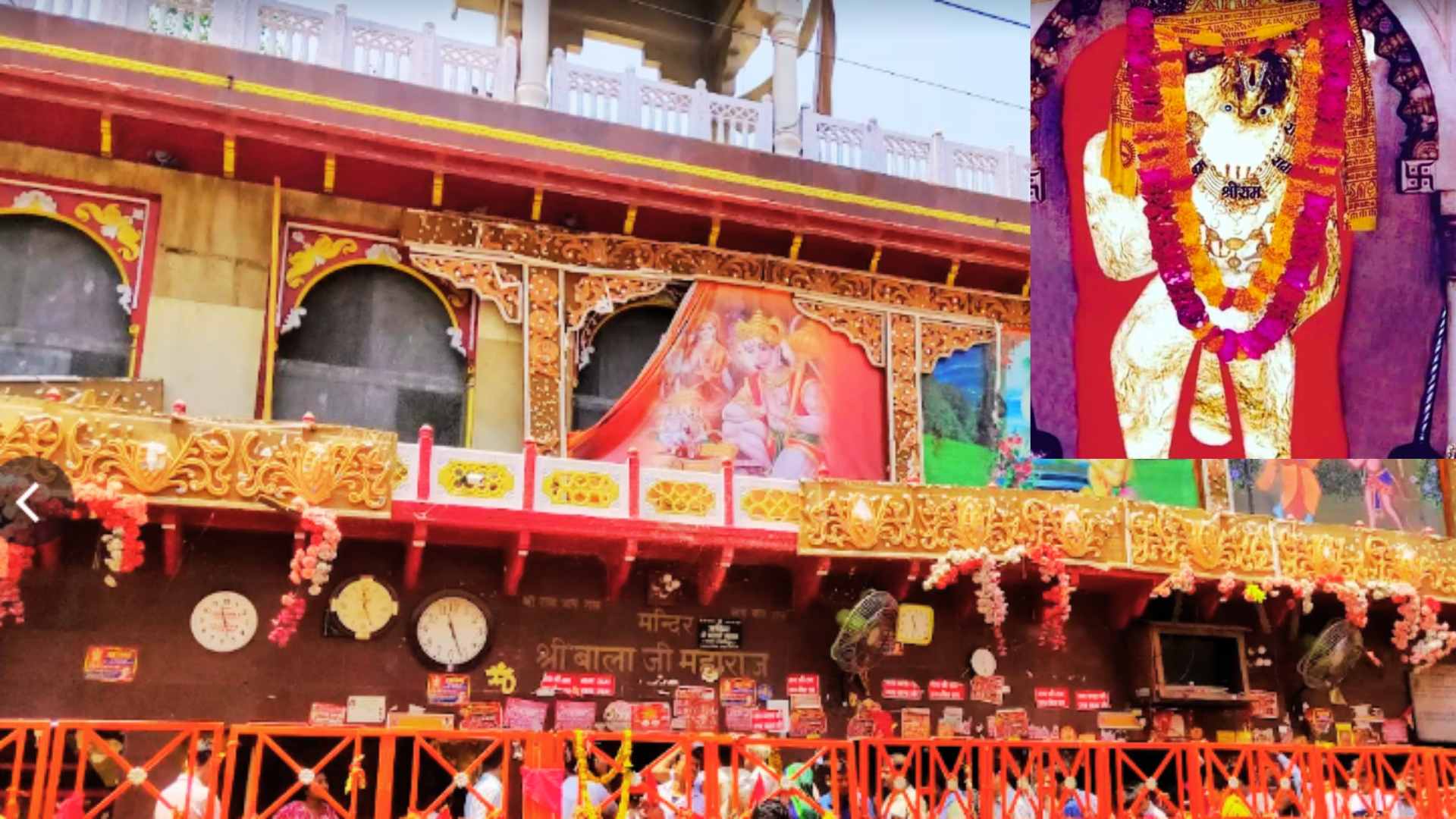
| 🙏 | Presiding Deity | Sankatmochan Hanuman Ji (Balaji) |
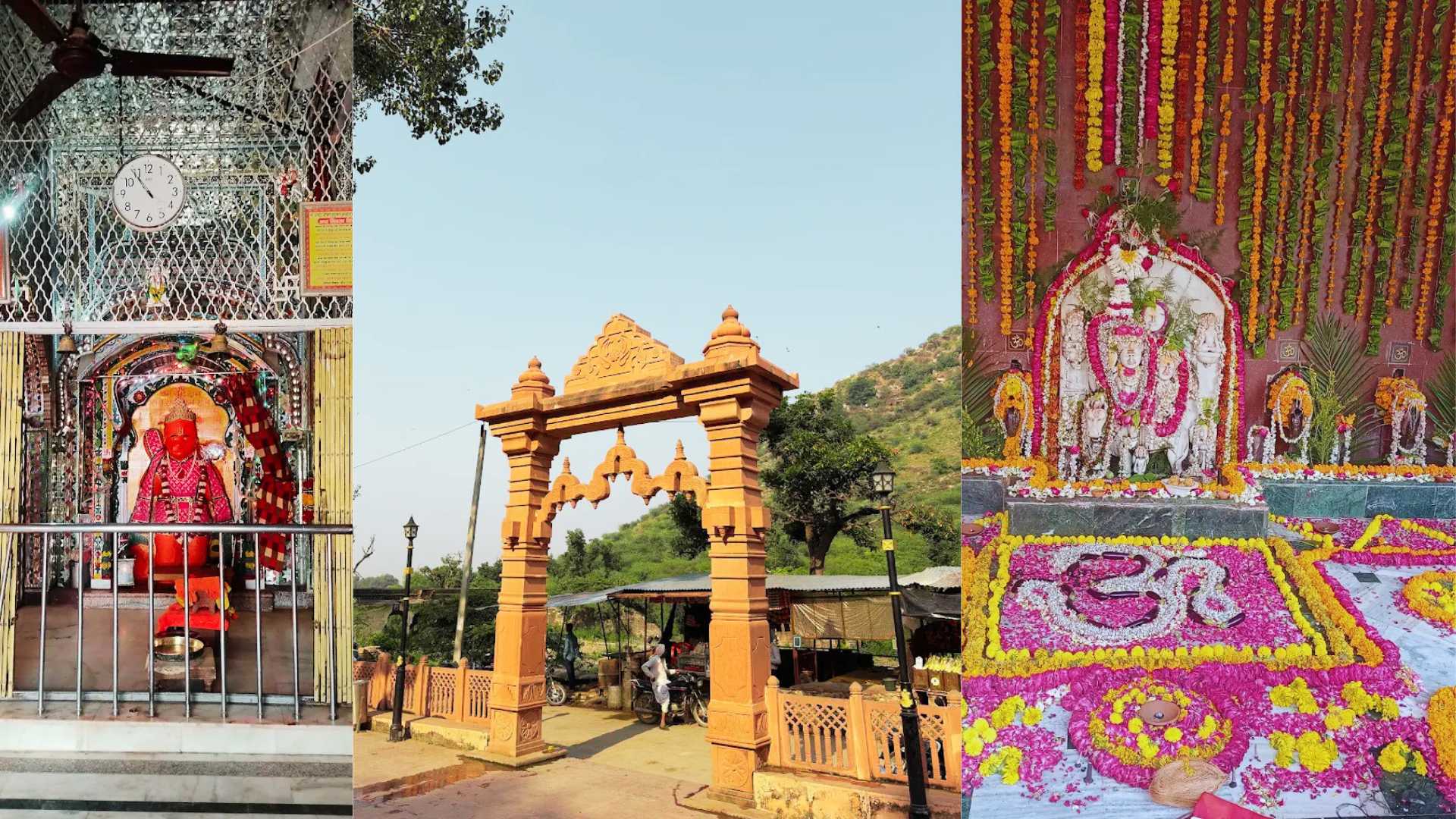
| 🔱 | Other Deities | Ekadash Rudra Mahadev · Bhairav Nath Ji · Devnarayan Chouhan Ji · Radhakrishna Ji · Meen Bhagwan |
| ⛪ | Temple Type | Multi-shrine Dham Complex |
| 🕉️ | Religious Tradition | Vaishnava · Shaiva · Lok Devata · Jain |
| Sacred Features | ||
| 💧 | Sacred Water Source | Gaumukh Kund — perennial spring, flows year-round |
| 🪷 | Kamalkund | Sacred lotus tank — lotus blooms throughout the year |
| 🌊 | Seasonal Waterfall | Active during monsoon (July–September) — beside the Rudra Mahadev Temple |
| Location | ||
| 📍 | Village | Jhajhirampura (Jhajhi Rampura) |
| 🏘️ | Tehsil | Baswa Tehsil, Dausa District |
| 🗺️ | District | Dausa · Jaipur Division · Rajasthan |
| 📮 | Pincode | 303327 |
| 🏔️ | Natural Setting | Aravalli foothills — near Alwar district border |
| How to Reach | ||
| 🚗 | From Jaipur | ~92 km — via NH-21 · Bandikui · Baswa · approx. 2.5–3 hrs |
| 🚗 | From Dausa City | ~45–48 km — towards Baswa / Bandikui |
| 🚆 | Nearest Railway Station | Baswa Railway Station — ~3 km from temple |
| 🚆 | Also Reachable Via | Bandikui Railway Station — ~14 km from village |
| ✈️ | Nearest Airport | Jaipur International Airport — ~97 km |
| Best Time to Visit & Climate | ||
| 🌤️ | Best Season | October to March |
| 🌧️ | Monsoon (Jul–Sep) | Waterfall active · Shravan fair season — spiritually significant, roads may be slippery |
| ❄️ | Winter (Oct–Mar) | 10°C – 25°C — ideal for darshan and pilgrimage circuit |
| 🌡️ | Summer (Apr–Jun) | 35°C – 45°C — avoid midday; early morning visits preferred |
| Key Events & Occasions | ||
| 🎉 | Annual Fair | Shravan Month Fair — July–August · large crowds on each Somvar (Monday) |
| 🔱 | Special Observance | Shravan Somvar · Mahashivratri — Rudrabhishek with Gaumukh water |
| Visitor Information | ||
| 🏨 | Nearest Accommodation | Bandikui / Dausa City — budget to mid-range hotels available |
| 🗣️ | Local Language | Hindi · Rajasthani (Dhundhari dialect) |
| 📋 | Government Recognition | Listed — Rajasthan Tourism |
History & Origin of Jhaji Ram Pura Dham Hanuman Temple
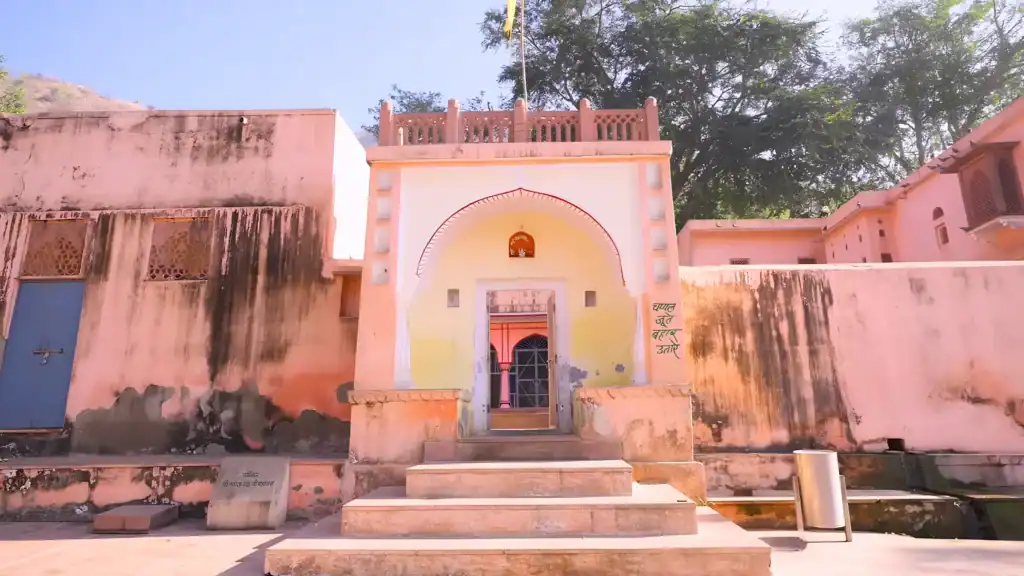
Jhajhi Rampura (झाझी रामपुरा) is a small village lying in the foothills of Aravalli and located just near the Alwar district borders, about 45 kilometers away from the district headquarter of Dausa (explore Dausa). Jhajhi Rampura is one of those rare rural shrines in the district, which are recognized by the tourism department of Government of Rajasthan for its Natural water tank and temple complex.
There is the principal temple in Jhaji Rampura Dham named Jhaji Rampura Dham Hanuman Temple (झाझी रामपुरा धाम हनुमान मंदिर). Besides, there are other temples as well within this complex that include shrine of Rudra (Shiva) and many others. There is no inscription regarding the foundation of this shrine. This shrine has a history preserved in the memories of locals around the area.
In terms of geographical location, it served the purpose of being located in a location suitable for gaining sanctity. As Aravalli hills, natural water tanks and elevated topography facilitated it in becoming part of pilgrimage route between Dausa and Alwar districts.
Why Famous / Significance Jhaji Ram Pura Dham Hanuman Temple
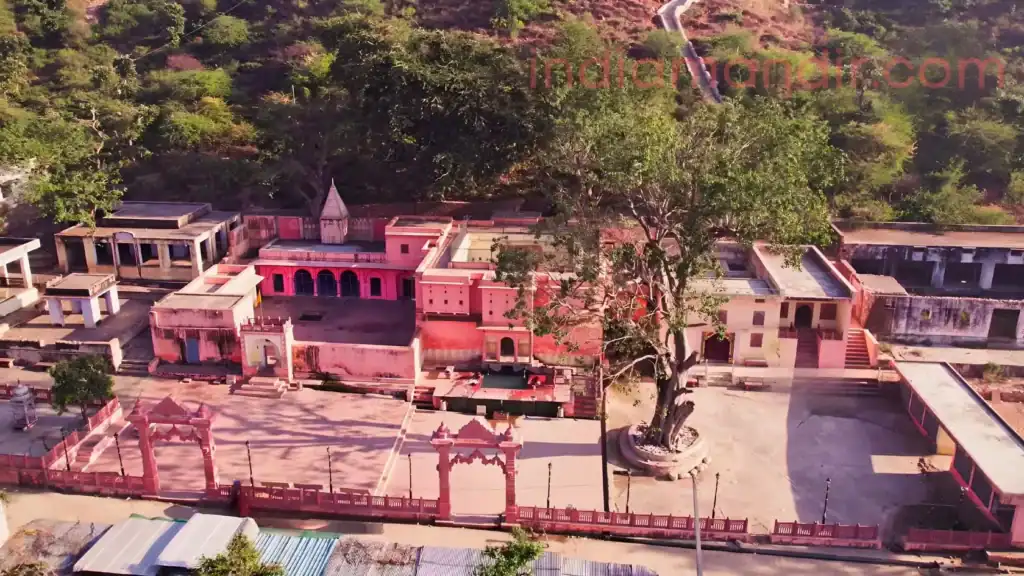
What makes Jhaji Ram Pura Dham Hanuman Temple (झाझी रामपुरा धाम हनुमान मंदिर) genuinely rare is the full spectrum of sacred traditions within a single village:
- Sankatmochan Hanuman Ji (संकट मोचन हनुमान जी) — the primary Mandir
- Ekadash Rudra Mahadev (एकादश रूद्र महादेव) — eleven forms of Rudra worshipped together (rare in any temple across India)
- Bhairav Nath Ji temple (भैरव नाथ जी का मंदिर)
- Devnarayan Chouhan Ji temple (देव नारायण चौहान जी मंदिर) — the beloved folk deity of the Gurjar tradition
- Jain temples (जैन मंदिर) — ancient coexistence of multiple faiths on one sacred ground
The village’s most extraordinary feature: a Gaumukh kund (गुरुमुख कुंड) where water flows in Gaumukh form (emerging from a cow-mouth (गाय मुख) rock formation) for all 12 months without interruption — even through Rajasthan’s harshest summer.
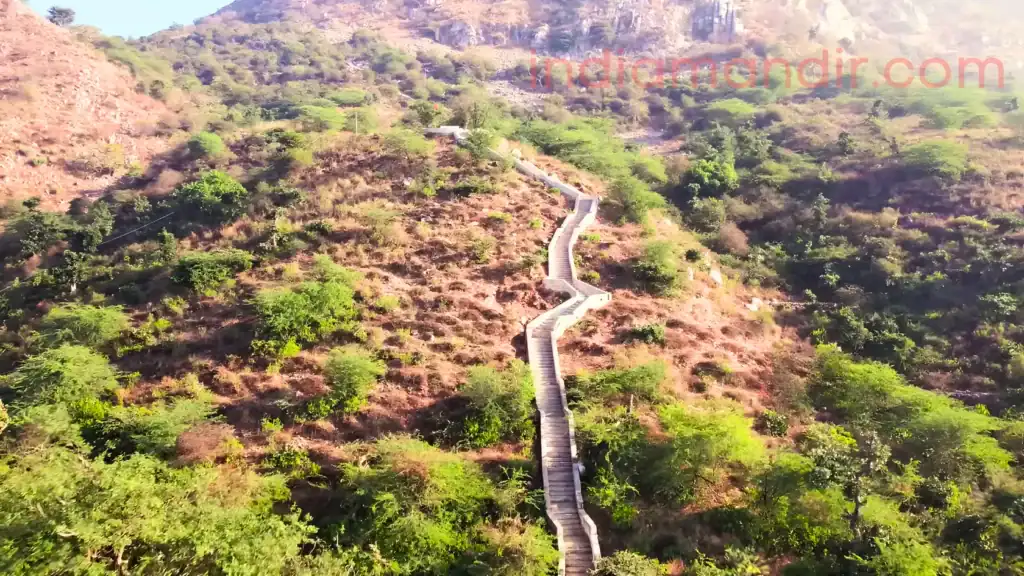
Behind the main complex, a hilltop Balaji mandir adds yet another dimension to the circuit. In monsoon, the Rudra Mahadev temple sits beside a natural waterfall.
Religious Significance of Jhaji Ram Pura Dham Hanuman Temple
Jhajhirampura draws its religious significance from several complementary traditions.
At its core, it is a Jal Tirtha — a sacred bathing site. The Gaumukh feeds a continuous stream into a five-foot-deep kund where pilgrims bathe, perform arghya, and carry water home. A separate Kamalkund on the premises blooms with lotuses year-round. Bathing in Gaumukh waters holds deep purifying value in Hindu tradition, placing this village shrine alongside far larger tirthas in terms of spiritual significance.
The Ekadash Rudra Mahadev shrine adds a Shaiva layer. Worship of the eleven Rudra forms is rooted in the Sri Rudram of the Yajurveda — among Hinduism’s oldest hymns — and draws devotees seeking divine protection and relief from suffering. Within a complex centered on Hanuman Ji, this Vaishnava-Shaiva convergence reflects the naturally syncretic character of rural Rajasthani worship.
Shravan month is the site’s peak season. Each Shravan Somvar (Monday) draws large crowds for Rudrabhishek — the ritual bathing of the Shivalinga. The Gaumukh Kund becomes central to this observance, as pilgrims collect its water specifically to offer Mahadev.
The Devnarayan Chouhan Ji Mandir connects the dham to living folk tradition. Devnarayan Ji is among Rajasthan’s most revered folk deities, his epic one of the longest oral narratives in the region — still sung by Bhopa priest-singers across villages of Rajasthan and Malwa. His temple here is as much a cultural anchor as a place of worship, keeping stories of valor and devotion alive for the surrounding Gurjar communities.
Darshan Timings and Visitor Information – Jhaji Ram Pura Dham Hanuman Mandir
Darshan & Timings
General visit timings and important planning information for Jhaji Rampura Dham Hanuman Temple, Baswa, Dausa.
| Session | Timing | Notes |
|---|---|---|
| Morning Darshan Open | Sunrise – Noon | Best time for Gaumukh snan and Hanuman Ji darshan |
| Afternoon Darshan Open | Noon – Sunset | Full complex accessible including hilltop Balaji shrine |
| Shrine | Sequence | Notes |
|---|---|---|
| Gaumukh Kund Sacred Spring Bath | First Stop | Ritual bath in perennial Gaumukh spring — flows year-round |
| Sankatmochan Hanuman Ji Main Temple | Second Stop | Principal presiding deity of the Dham complex |
| Ekadash Rudra Mahadev Shiva Temple | Third Stop | Rare eleven-Rudra shrine beside Gaumukh — Rudrabhishek offered here |
| Devnarayan Ji · Bhairav Nath Additional Shrines | Fourth Stop | Folk deity and guardian shrines within the village complex |
| Hilltop Balaji Shrine Elevated Hanuman Temple | Final Stop | Short Aravalli hillside climb — panoramic views of sacred valley |
How to Reach
Jhaji Ram Pura Dham Hanuman Temple
Jhaji Ram Pura Dham Hanuman ji Temple is one of the most spiritually unique sacred complexes in Dausa district, combining Hanuman devotion, Shiva worship, Bhairav traditions, folk deities, and Jain temples in one peaceful village setting near the Rajasthan–Alwar region.
By Train
Baswa Railway Station is located only around 3 km from Jhajhi Rampura village, making it one of the most rail-accessible rural temple destinations in Dausa district. Local autos and taxis are available from the station.
By Road
Travelers from Jaipur can follow the Jaipur → NH-21 → Bandikui → Baswa → Jhajhirampura route. The total distance is approximately 92 km and can comfortably be covered in around 2.5 to 3 hours.
Nearby Attractions
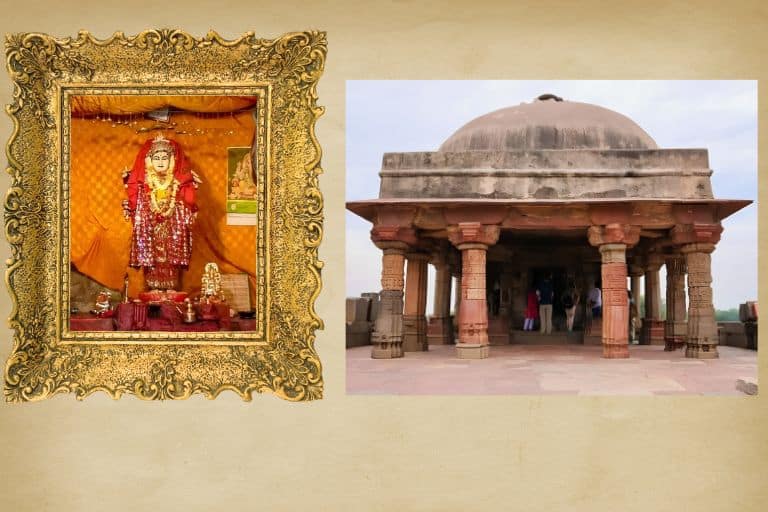
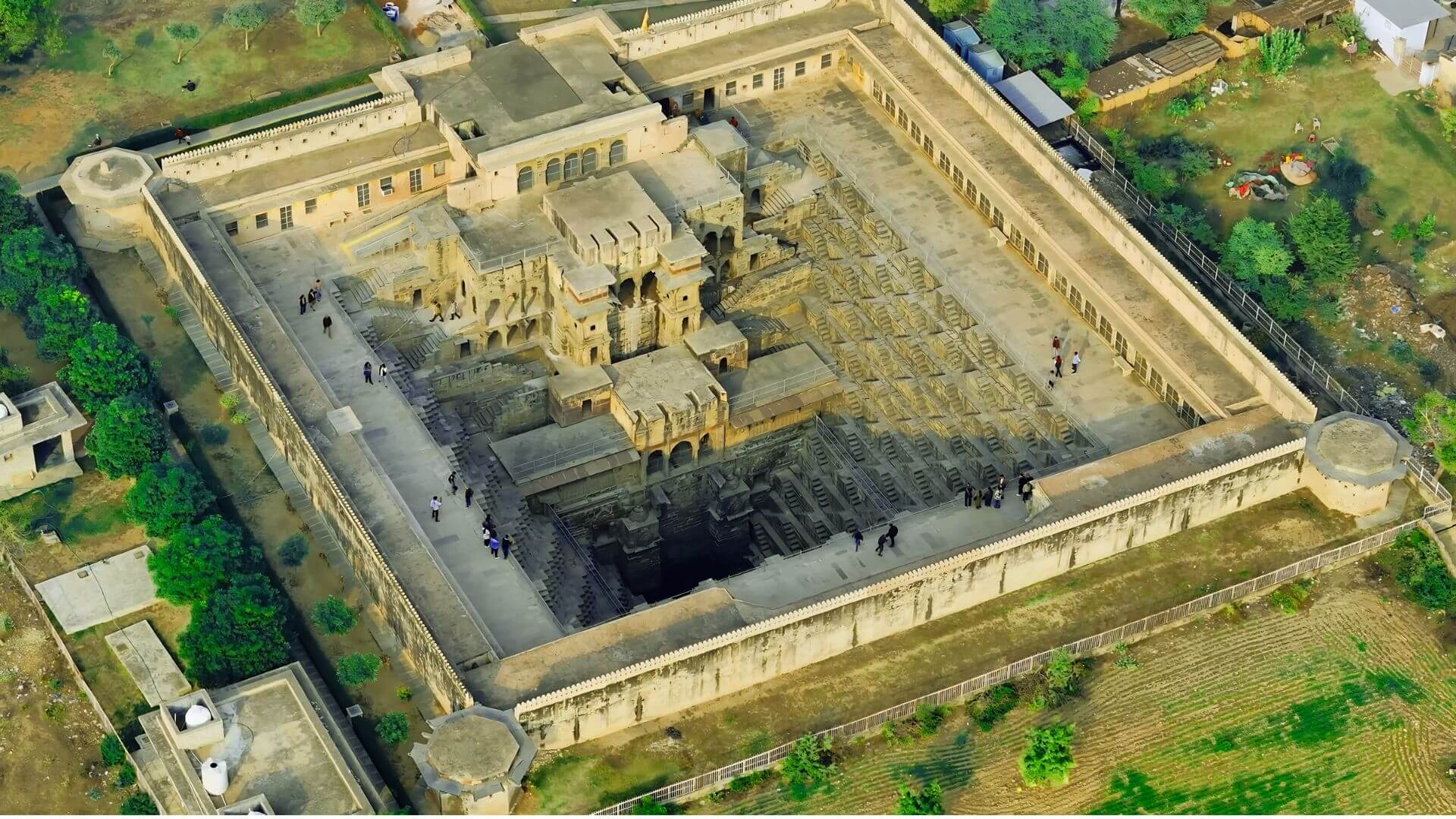
Jhaji Ram Pura Dham Hanuman ji Temple can easily be combined with a same-day spiritual and heritage trip to Abhaneri, including Harshat Mata Temple and Chand Baori, both located around 15 km away.
Practical Tips for Your Visit
Everything you need to know before visiting Jhaji Rampura Dham Hanuman Temple, Dausa.
Practical Tips to Visit Jhaji Rampura Dham Hanuman Temple
Baswa, Dausa, Rajasthan
-
Arrive Early for Darshan
The temple is quietest and most serene in the early morning hours. Arriving before 8 AM lets you bathe in the Gaumukh kund in peace, attend the morning aarti, and complete darshan without the crowds that build through the day.
-
Carry a Vessel for Gaumukh Water
Many pilgrims take Gaumukh water home for puja use, especially during Shravan month when it is offered to Mahadev. Bring a clean, sealed container if you wish to carry water back — it is considered auspicious to do so.
-
Dress Appropriately for Bathing
If you plan to take a ritual bath in the Gaumukh kund, carry a change of clothes. The kund is approximately five feet deep — plan accordingly and dress modestly throughout the complex.
-
Pick Up Puja Items at the Entrance
During peak seasons and Shravan Somvar, stalls near the temple sell flowers, bel patra, prasad, and puja items. Stock up before entering — vendors may not be available deeper inside the complex.
-
Shravan Somvar Draws Big Crowds
Each Monday of Shravan month sees exceptionally large gatherings for Rudrabhishek at the Ekadash Rudra Mahadev shrine. If you visit on these days, expect crowds and plan to arrive well before sunrise to avoid long waits.
-
Plan for the Full Complex
Jhajhirampura is not a single shrine — it includes the Hanuman Dham, Ekadash Rudra Mahadev, Devnarayan Chouhan Ji Mandir, Gaumukh kund, and Kamalkund. Allow at least 2–3 hours to visit everything without rushing.
-
Getting There
Jhajhirampura is located around 45 km from Dausa district headquarters via Baswa and Bandikui. The roads through the Aravalli foothills can be narrow — a personal vehicle is the most practical option, especially for families or groups.
-
Avoid Midday in Summer
The site sits within the Aravalli hills with limited shade in open areas. Between 11 AM and 4 PM in summer, heat can be intense. Early morning or late afternoon visits are far more comfortable.
-
Visit the Kamalkund
The Kamalkund blooms with lotuses throughout the year — a rare sight at a rural Rajasthan temple. Take a few quiet minutes there. It is one of the more peaceful spots in the complex and easy to miss if you are rushing.
Frequently Asked Questions (FAQs) about Jhaji Ram Pura Dham Hanuman Temple
Frequently Asked Questions
Find answers related to Jhaji Ram Pura Dham Hanuman Temple, Ekadash Rudra Mahadev, Gaumukh kund, darshan timings, and how to reach this sacred dham in Dausa district.
Jhaji Ram Pura Dham Hanuman Mandir is located in Jhajhi Rampura Village, Baswa Tehsil, Dausa District, Rajasthan — near the Alwar border. It is approximately 20 km from Abhaneri and 50 km from Dausa city. Baswa Railway Station is just 3 km from the village, making it one of the most rail-accessible rural temple destinations in the district.
Jhajhi Rampura Hanuman Mandir Dham is a multi-faith sacred complex housing several distinct shrines: Sankatmochan Hanuman Ji (the primary temple), the rare Ekadash Rudra Mahadev (eleven forms of Shiva worshipped together), Bhairav Nath Ji temple, Devnarayan Chouhan Ji temple (revered folk deity of the Gurjar tradition), ancient Jain temples, and a hilltop Balaji shrine. This breadth of sacred traditions within one village makes it genuinely rare across all of Rajasthan.
The Gaumukh kund is a natural water spring at Jhajhi Rampura where water flows continuously through a cow-mouth (Gaumukh) shaped rock formation. Remarkably, this spring flows uninterrupted for all 12 months of the year — even through Rajasthan’s harshest summer. It is considered one of the most sacred features of the entire complex.
Jhajhi Rampura Hanuman Mandir is open approximately from 5:30 AM to 12:00 PM and from 4:00 PM to 8:30 PM daily. Timings may vary during festivals and monsoon season.
The Ekadash Rudra Mahadev shrine worships eleven forms of Rudra (Shiva) together in a single temple — a configuration that is exceptionally rare across India. This temple also sits beside a natural waterfall during the monsoon season, making it both spiritually and visually distinctive.
From Jaipur, take NH-21 towards Bandikui, then continue to Baswa and onwards to Jhajhi Rampura village. The total distance is approximately 92 km and takes around 2.5 to 3 hours by road. By train, the nearest station is Baswa Railway Station — only about 3 km from the temple — which is well connected to Jaipur.
Yes. Jhaji Ram Pura Dham Hanuman ji Mandir is officially listed on the Government of Rajasthan Tourism portal, making it one of the few lesser-known village sacred complexes in Dausa district to receive formal state recognition.
Jhajhi Rampura Dham can easily be combined with a same-day visit to Abhaneri, located around 15–20 km away. Abhaneri is home to Harshat Mata Temple — a 9th-century Shakti shrine — and the world-famous Chand Baori stepwell. Together, the three destinations make for a full-day spiritual and heritage circuit from Jaipur or Dausa.
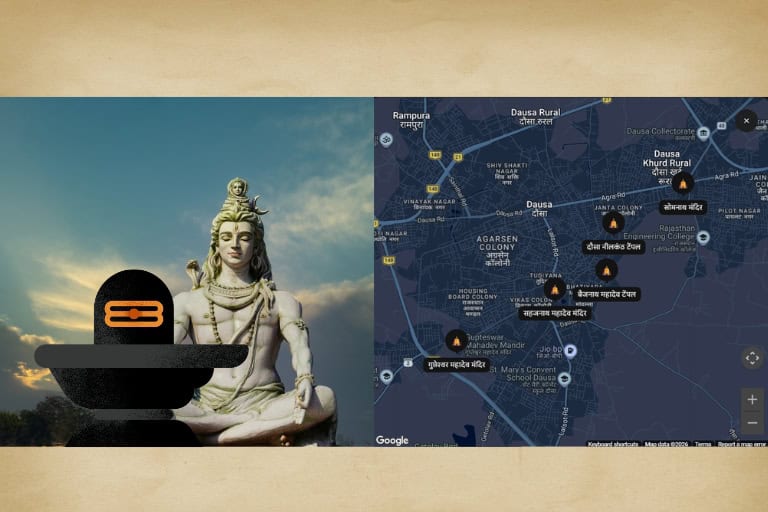
Explore Nearby Temples
Discover famous temples and spiritual destinations near Jhajhirampura Hanuman Mandir, Baswa, Dausa