Neelkanth Mahadev Temple Dausa – A Spiritual Guide
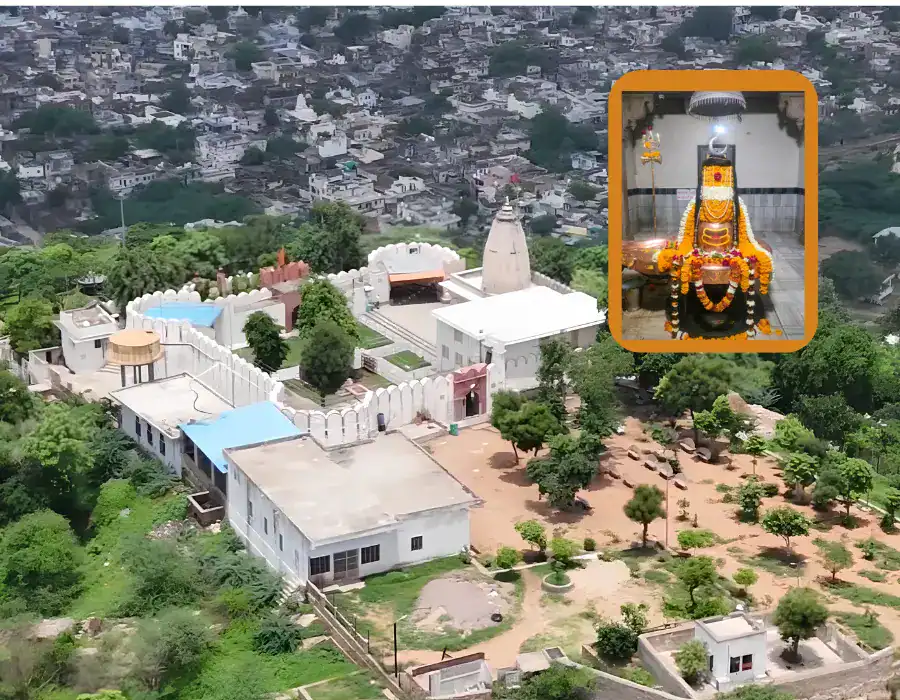
The Neelkanth Mahadev Temple ((नीलकंठ महादेव मंदिर) in Dausa is a very old and sacred temple in Dausa. This temple is known to be one of the five holy Shivling temples of India called the “Panch Mahadev” temples (पंच महादेव मंदिर दौसा). This temple sits majestically on top of a hill overlooking the whole town and is seen to be the guardian of the town of Dausa.
Neelkanth Mahadev Temple, Dausa
The most revered of the Panch Mahadev temples of Dausa — an ancient Shiva temple with deep mythological roots, a sacred Shivalinga, and a devoted following that fills the temple on every Somvar and Shivratri.
The five temples dedicated to Shiva present in Dausa, Rajasthan are together referred to as the “Panch Mahadev Temples Dausa” (पंच महादेव मंदिर दौसा) and are considered one of the holiest collections of temples by the devotees of Rajasthan. The temples are named Neelkanth Mahadev (नीलकंठ महादेव), Gupteshwar Mahadev (गुप्तेश्वर महादेव), Baijnath Mahadev (बैजनाथ महादेव), Somnath Mahadev (सोमनाथ महादेव) and Sahajnath Mahadev (सहजनाथ महादेव). All five temples have a unique identity of their own from the perspective of mythology, location and spiritual significance. It is said that devotees who visit Dausa make it a point to visit all these five temples on a single pilgrimage to Dausa which makes the trip spiritually very rewarding. Every temple has rich Shaivite heritage with the presence of a Shivalingam, mythology associated with it and a devoted following that has kept them alive since ages.
Neelkanth Mahadev Temple Dausa – Temple At a Glance
Temple at a Glance
Complete quick-reference information about Shri Neelkanth Mahadev Temple, Devgiri Hill, Dausa — for devotees, researchers, and travellers.
| Temple Identity | ||
| 🏷️ | Official Name | Shri Neelkanth Mahadev Temple (श्री नीलकंठ महादेव मंदिर) |
| 📝 | Also Known As | Nilkanth Mahadev Mandir Devgiri Mandir |
| 📍 | Location | Devgiri Hill, Dausa City, Dausa District, Rajasthan |
| Deity & Worship | ||
| 🙏 | Primary Deity | Bhagwan Shiva — in his Neelkanth form (the blue-throated one) |
| 🪔 | Shivling Type | Partially submerged — only the top portion visible above ground |
| ✨ | Temple Category | Panch Mahadev of Dausa (one of five) |
| 🏙️ | City Title Connection | One of the five Mahadev temples that give Dausa the name Dev Nagari |
| History & Architecture | ||
| 🏛️ | Architectural Style | Nagara Style — no cement or lime used in construction |
| 📅 | Period of Construction | 9th to 11th Century CE |
| ⛰️ | Location Type | Hilltop — Devgiri Hill — within Dausa city limits |
| 🪜 | Steps to Temple | 365 steps |
| 📌 | District | Dausa, Rajasthan |
| How to Reach — Distances | ||
| 🚗 | Distance from Jaipur | ~55–60 km — approx. 1 to 1.5 hours by road |
| 🚗 | Distance from Delhi | ~240 km — approx. 4–5 hours by road |
| 🚆 | Nearest Railway Station | Dausa Railway Station — ~2 km from temple |
| ✈️ | Nearest Airport | Jaipur International Airport — ~55 km |
| Visitor Information | ||
| 🕰️ | Darshan Timings | Morning: 5:30 AM – 12:00 PM Evening: 4:00 PM – 9:00 PM |
| 🎉 | Major Festivals | Mahashivratri Sawan Month (Lakhi Mela) |
| 🎟️ | Entry Fee | Free Entry |
| 📸 | Photography | Generally permitted — confirm locally |
| 📿 | Best Days to Visit | Monday During Sawan Month |
| 🌤️ | Best Season | October to March |
Story Behind the Name of Neelkanth Mahadev? | Neelkanth Mahadev Dausa
It always helps to be aware of whom you are going to meet at any place of worship. This temple is home to a deity whose story is one of the greatest legends in the whole of Hindu mythology.
Neelkanth (नीलकंठ), literally translated, is a person of the blue neck/throat; Neel=blue and Kanth=neck/throat.
According to legend, the Samundra Manthan (समुद्र मंथन) event happened in which the gods and demons (Devas & Asuras देव और असुर) churned the cosmic ocean for their mutual gain in search of amrit (अमृत) or nectar of immortality. For the task, Mount Mandara acted as the churning rod while Vasuki, the snake king, served as the rope. However, before the amrit could surface, an event even more deadly happened. A deadly poison named Halahala emerged and it had the ability to end all existence as it was known then. None of the Devas or Asuras would accept it; however, it was Lord Shiva who came forth and swallowed the poison.
But he did not consume it into his body; rather, he swallowed it into his throat without letting it pass into his stomach.
From then on, Shiva became known as Neelkanth – the one with a blue throat, symbolizing the sacrifice he had made for the cosmos.
This was not just mythology; it was an ideology. The concept of Neelkanth is about embracing darkness without succumbing to it; about drinking all the poison in the world and using it to defend oneself; about making a sacrifice without losing oneself. As you make your way up 365 stairs and stand in front of the Shivling of Neelkanth Mahadev at Dausa, you stand before that concept made manifest in stone.
Dausa as Dev Nagari — The City of Five Mahadevs
If one wants to know why Neelkanth Mahadev Temple holds such importance, then there is need to know something about the town itself. This town is known as Dev Nagari, which means ‘City of Gods’. This is not some marketing tag line, or some phrase written by tourism boards to promote the place. No, on the contrary, this is what the city has been called since ancient times, owing to one very special reason: Panch Mahadev.
These five Mahadev temples are:
Dausa — The Dev Nagari of Five Mahadevs
Why Dausa is called Dev Nagari, and how five ancient Shiva temples form a sacred circle around the city.

Dausa is called Dev Nagari — the City of Gods. This is not a modern marketing label or a tourist board slogan. It is an ancient identity earned through something very specific: the presence of Panch Mahadev — five ancient Shiva temples, each dedicated to a different form of Lord Shiva, together forming a sacred geography that wraps around the entire city.
| # | Temple | Location |
|---|---|---|
| 1 | Neelkanth Mahadev Presiding Mahadev | Devgiri Hill, Dausa City |
| 2 | Baijnath Mahadev Temple | Dausa City |
| 3 | Gupteshwar Mahadev Temple | Dausa City |
| 4 | Sahajnath Mahadev Temple | Dausa City |
| 5 | Somnath Mahadev Temple | Dausa region |
Together, these five temples form a complete circle of Shiva worship around the city — different aspects of the same god, worshipped in five directions, giving Dausa a sacred boundary that has held for over a thousand years.
History and Origin of Neelkanth Mahadev Temple Dausa
Thousand Years old Shiva Temple at Devgiri Hill Dausa
The foundations of the Neelkanth Mahadev Temple can be traced back to the earliest medieval times of Rajasthan when researchers believe that the temple’s origins date back to somewhere between the 9th and 11th centuries. Such claims find evidence in the regional chronicles, as well as in various historical pieces that have been mentioned on different occasions in both Dainik Bhaskar and ETV Bharat media sources.
The Legend Behind Devgiri Hill
Not only the structure but the entire area surrounding the temple has a deep spiritual significance. Devgiri is the name of the mountain upon which this sacred building was erected. In India, no hill receives such a name without good reason, since it is a sign of its being an object of religious veneration for ages. Over many generations, residents of Dausa town have worshiped Devgiri, considering it to be the source of divine energy
Royal Roots: First Capital of Dausa
The temple is intrinsically linked to the history of the Kachhwaha dynasty. In 1037 AD, Rajput ruler King Duleh Rai, aka Dhola Rae, conquered this territory, making Dausa his first royal capital prior to moving on to Amber and Jaipur capitals, respectively.
Panch Mahadev Circuit: “Spiritual Fence” of New Capital
The Panch Mahadev Circuit, which includes Neelkanth as its highest temple, was created as the “spiritual fence” for the new capital. According to local historians, the presence of the Neelkanth Shivalinga on Devgiri made the place ideal for building a fortress-city by Duleh Rai.
Architectural Wonder: Temple Without Cement
However, one of the most interesting things about this temple, as well as a matter of tremendous local pride, is the method in which it was built. The Garbhagriha and the Shikhara were built in the classical style of the Nagara architecture, with huge stones carved to fit so perfectly that no cement, lime, or mortar was necessary for fixing them.
For over a thousand years, the dry masonry remained standing strong, facing harsh summer heat, rain showers of the Indian monsoon, and even minor earthquakes, but without ever shifting its position.
Mythological Ties
Like most ancient temples in the Aravallis, there are some local legends regarding the temple being connected to the times of the Mahabharata. For instance, there are certain claims regarding the Pandavas worshipping in this place during their Agyatvas period.
Story behind Shivling of Neelkanth Mahadev Temple
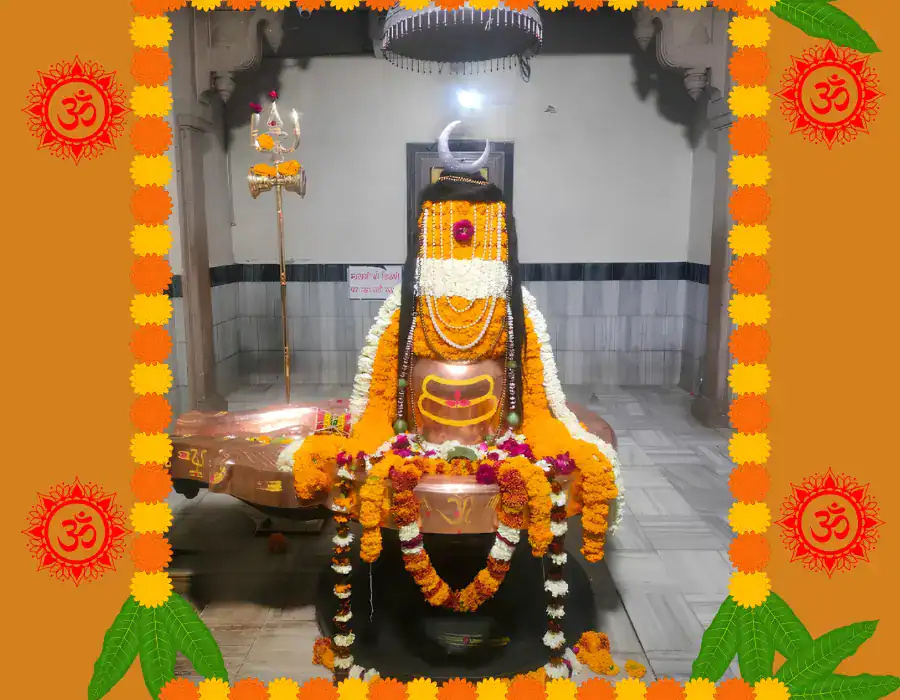
The Shivling at Neelkanth Mahadev is not like the usual Shivlings found in temples. Only the upper half of the Shivling is seen protruding from the ground. The other half of the Shivling is buried deep underground, as per popular belief, extending infinitely downwards.
How much does it extend? We do not know.
The significance of this Shivling has been derived from one of the greatest legends associated with Shaivism — the legend of Jyotirlinga, or the infinite pillar of light. Once upon a time when Brahma and Vishnu were disputing the supremacy of each other, Shiva manifested as an infinite pillar of light stretching endlessly upwards and downwards, with neither Brahma nor Vishnu being able to find its topmost or bottommost ends.
The Shivling of Neelkanth Mahadev Dausa does not hold any official place amongst the twelve Jyotirlingas, but the belief of the locals is that whatever is seen at this spot is only the upper part of an entity that extends endlessly downwards. The Shivling, in this context, is not a mere piece of sculpture made from stone. It is a portal to infinity.
It is said that when one stands in front of the Shivling and comprehends its nature, one gets a completely different experience of prayer compared to any other temple.
Temple Architecture of Neelkanth Mahadev Temple
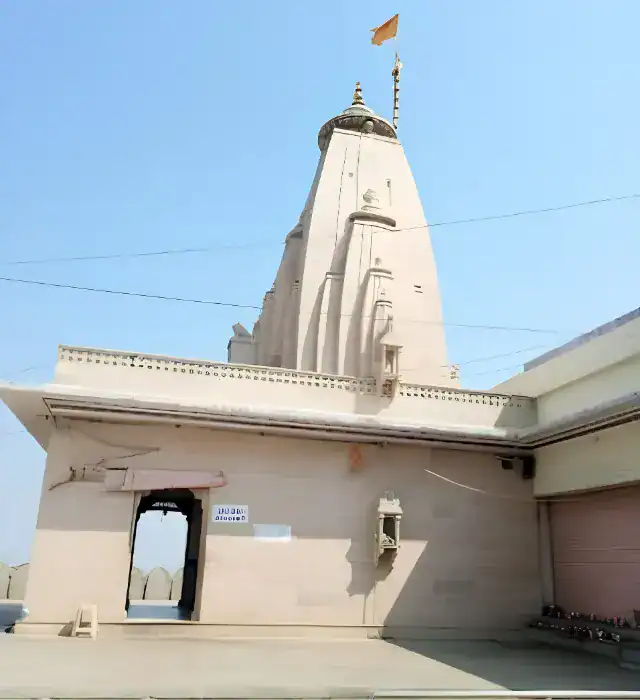
The temple stands at Devgiri Hill, which is a small, stable hill within the confines of Dausa City. The hill offers the temple a higher elevation than that of the whole city. The scenery from the top of the hill, encompassing the whole of Dausa City and the plains of eastern Rajasthan, is a great surprise to visitors to the temple.
One of the least acknowledged attributes of Neelkanth Mahadev Temple that is actually one of the most impressive is its architecture, which has received significant praise from scholars who have analyzed it thoroughly.
The temple is built following the Nagara style of architecture, the classic north Indian style of building Hindu temples, distinguished by a characteristic curvilinear shikhara above the central temple room, known as the garbhagriha. It is the predominant architectural style in Rajasthan, and some of the best temples to have been erected using this method have endured for over a thousand years.
What sets apart Neelkanth Mahadev Temple among all others built following the Nagara style is the material the temple has been built from. There is no use of cement, lime, or any other binding material whatsoever.
The garbhagriha has the Shivling, which is submerged partially as mentioned earlier. In front of the Shivling, there is Nandi, the holy bull and the vehicle of Shiva who is ever attentive towards his master like he is in all other Shiva temples.
There is a small temple named ‘Mohan Ji ka Mandir’, meant for Lord Krishna (also known as Mohan), constructed with red sandstone. The temple has beautifully painted arches and pillared corridors, though partially damaged.
The 365 Steps of Neelkanth Mahadev Temple
One of the unique aspects of the Neelkanth Mahadev Temple, located in Dausa, which locals often mention at the very outset while discussing it, relates to its approach.
One for each day of the year. No matter if this figure was deliberately incorporated into the design plan or if it just so happened like that, this stairway has now become a significant attribute. As per the local lore, making the journey to the temple while pronouncing the name of God Shiva once in every step, or rather in every breath, is also a form of worship. After all, at the end of this process, you practically offer your entire year to the Bhagwan Shiva.
The stairs are made of stone — ancient and smoothed out by numerous feet of the worshippers who have been ascending these stairs over the last few centuries. It is not an easy task, especially not for the elderly people or first-timers who lack experience with such climbs.
But this is what you’ll find out about the process from people who frequently visit: the journey keeps changing on you. The first hundred steps make you feel like you’re exercising. The next hundred, everything around you fades and transforms. The closer you get to reaching the top with your muscles aching, your breathing quickening, the noise around you getting softer and softer, another change occurs. Concentration. Focus. An inevitable silencing of thoughts. That’s why the followers tell you that climbing is part of darshan. The climb is the darshan, which begins with the first 365 steps under the doorway.
For elderly visitors and those with physical limitations:
For elderly pilgrims and physically impaired people: Help is offered from the bottom of the steps. Make sure to have proper shoes, bring water (which should be consumed before the climb), and take things slow according to your own physical abilities. Time is not an issue because the Lord has waited for a millennium; he could wait a few extra minutes.
Rituals and Worship at Neelkanth Mahadev Temple
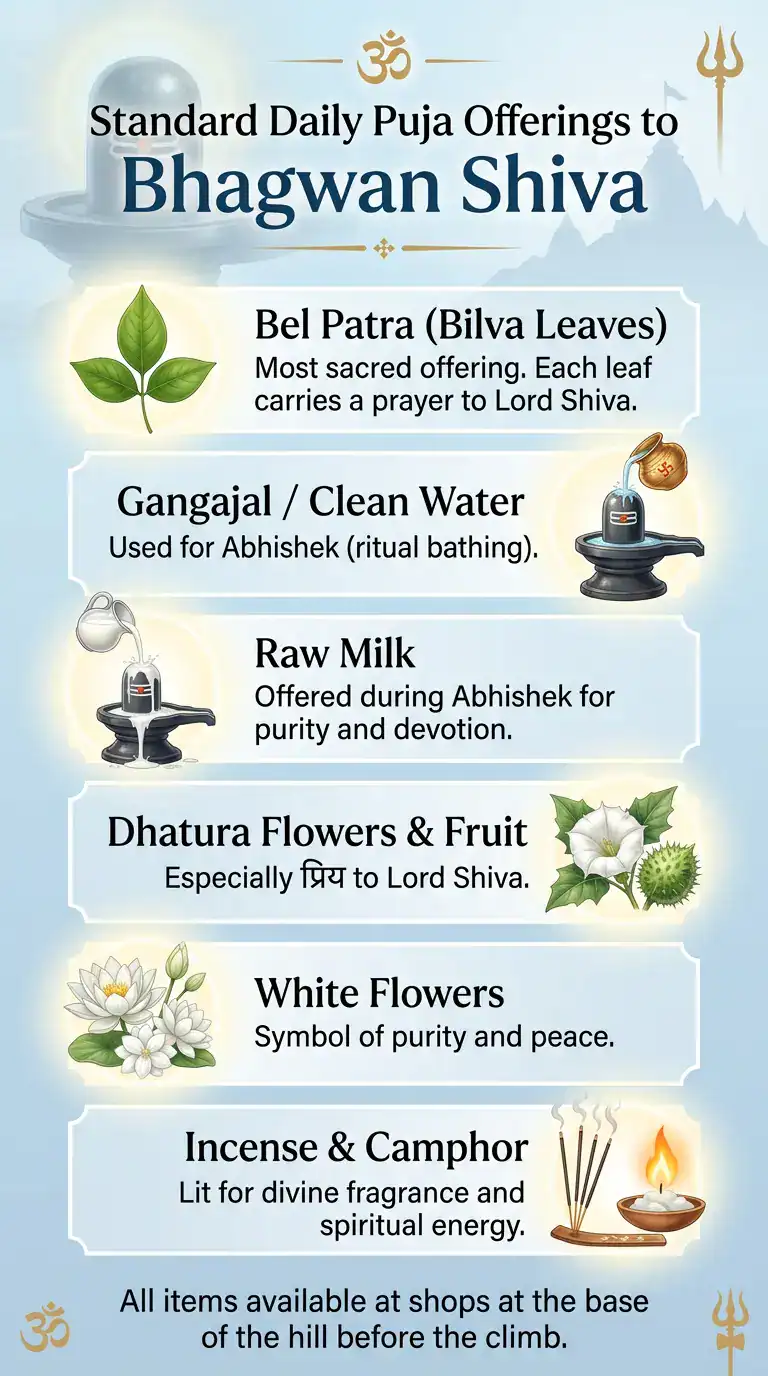
Daily Puja Offerings at the Temple
Items available from shops at the base of the hill before you begin the climb
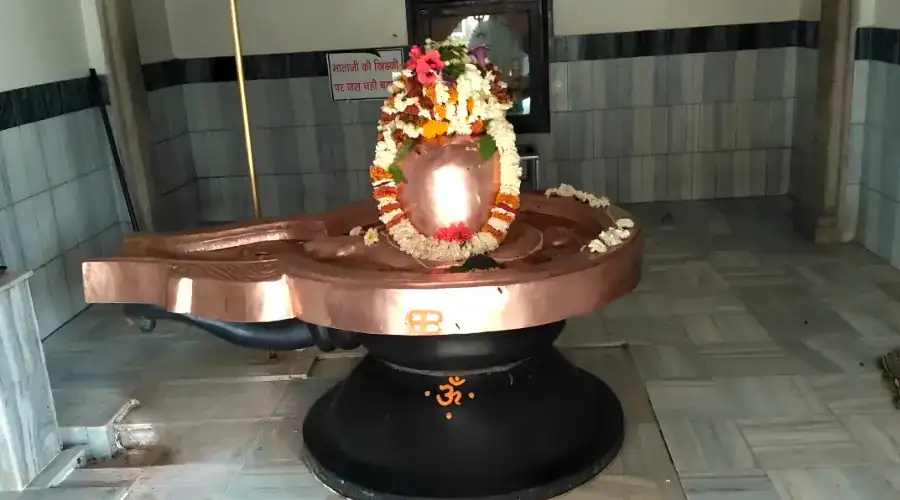 Shivling Abhishek
Abhishek — The Heart of Shiva Worship
Abhishek is the central ritual of Shiva worship — the ritual bathing of the Shivling. Pouring Gangajal, raw milk, or panchamrit over the Shivling while chanting Om Namah Shivaya is considered the most direct and powerful way to seek Lord Shiva’s blessing.
Panchamrit is a sacred mixture of five ingredients — milk, curd, honey, ghee, and sugar — each carrying its own symbolic meaning and together forming an offering considered complete in every way.
 Puja at the Temple
How Worship Is Performed Here
The worship tradition at Neelkanth Mahadev follows the classical Shaiva puja ritual, with some specific local practices that have been observed here for generations. Devotees first collect their offerings from the shops at the base of the hill before beginning the 365-step climb.
At the sanctum, the priest leads or assists with the offering of bel patra, flowers, and abhishek. The sound of bells, the fragrance of dhoop, and the chanting of Om Namah Shivaya fill the space, creating an atmosphere that feels removed from the ordinary world below.
Kanwar Yatra — Sawan Month
During the holy month of Sawan (July–August), devotees carry kanwars — decorated bamboo poles with small pots of holy water suspended from each end — on a pilgrimage to offer water directly to Neelkanth Mahadev. The sight of kanwar-carrying pilgrims ascending all 365 steps is one of the most memorable images this temple is known for.
In 2022, a remarkable 300-feet long tricolour kanwar yatra arrived at the temple for darshan — reported by Dainik Bhaskar as a striking display of the devotion this place continues to inspire.
📰 Reported — Dainik Bhaskar, 2022Panch Mahadev Parikrama
On especially auspicious days — most notably Mahashivratri — devoted pilgrims complete a full parikrama of all five Panch Mahadev temples of Dausa district in a single day. Neelkanth Mahadev is typically the first and most prominent stop on this circuit, given its elevated position and significance.
Completing the full parikrama in one day is considered to bring extraordinary spiritual merit. It is a demanding undertaking and a true act of devotion.
🕌 First stop on the Panch Mahadev circuitNeelkanth Mahadev Temple Timings — Darshan & Aarti
Darshan Timings
| Morning Darshan | 5:30 AM – 12:00 PM |
| Afternoon Break | 12:00 PM – 4:00 PM |
| Evening Darshan | 4:00 PM – 9:00 PM |
Aarti Timings
| Morning Aarti Mangla / Abhishek Aarti |
5:30 AM – 6:30 AM |
| Evening Aarti Sandhya Aarti |
7:00 PM – 7:45 PM |
Monday is the most auspicious day for Shiva worship. The temple sees higher footfall but the atmosphere is deeply devotional.
Arrive before 7:00 AM to witness the morning aarti in peaceful conditions. The sunrise view from Devgiri hill at this hour is genuinely beautiful.
Every day of Sawan (July–August) draws large crowds and carries an especially charged devotional atmosphere at this temple.
Festivals at Neelkanth Mahadev Temple
Mahashivratri
The festival of Mahashivratri at the shrine of Neelkanth Mahadev Temple in Dausa is an event that has been observed by this city for ages now, but on a progressively larger scale.
Each year, the temple as well as the Devgiri hill get decorated with grand jhankiyan (tableau). Large processions are seen moving around the town as well as up the hill. All night prayers are held inside the temples by the priests. Hundreds of devotees ascend the 365 steps, some carrying the kanwar while others reciting the mantra Om Namah Shivaya each time they take a step.
Sawan Month and the Lakhi Mela — A Fair Worth Coming For
While Mahashivratri can be said to be the most sacred event, the Lakhi Mela held during the month of Sawan at Neelkanth Mahadev can certainly be said to be the most amazing. The Lakhi Mela is an annual fair conducted during the month of Sawan, which generally falls in the months of July-August of the Gregorian calendar. The Lakhi Mela gets its name because of the number of devotees who come to visit the temple for the event – lakhs of devotees. This event attracts lakhs of pilgrims to the temple, and is considered one of the biggest events of the year in Dausa district.
During this time:
· The kanwar yatras arrive at the location
· There is an abhishek ceremony every day
· The 365 stairs at the temple are always crowded with devotees
· Even the entire city becomes festive in spirit
Other Festivals Celebrated
• Monday – Mondays belong to Lord Shiva in the entire Hindu religion. Every Monday is celebrated with great devotion by the followers in the temple.
• Sawan Shivratri – Apart from the Mahashivratri, there is a special day celebrated on Shivratri of the Sawan month.
• Hariyali Amavasya – Celebrated in the Sawan month with special prayers.
• Shravan Somvar (Sawan Mondays) – All Mondays of the Sawan month are celebrated as important days and there are huge gatherings in the temple.
• Diwali and Annakuta – Celebrated with special lights and offerings.
• Ram Navami and Janmashtami – These festivals are also celebrated at this temple, especially at Mohan Ji temple on the hilltop comp
How to Reach at Neelkanth Mahadev Temple Dausa – Yatra Guide
The temple is located on Devgiri Hill within Dausa city — which makes reaching it significantly easier than most hilltop temples in India. Dausa city itself is very well connected.
By Air
The nearest airport is Jaipur International Airport (Sanganer), approximately 55–60 km from Dausa. A taxi or cab from the airport to Dausa city takes around 1 to 1.5 hours.
Pre-book your cab for early morning visits — local transport from the airport can be limited before 6:00 AM.
🛬 ~55–60 km from DausaBy Train
Dausa Railway Station is approximately 2 km from the base of Devgiri hill — making this one of the most conveniently rail-accessible temples in the district. Several trains on the Jaipur–Agra route stop here daily.
- Ashram Express
- Jammu Jaipur Express
- Jaipur Gwalior Intercity Express
- Jaipur Amritsar Express
From the station, an auto-rickshaw or cab to the temple steps takes less than 10 minutes.
🚉 2 km from temple baseBy Road (Bus / Cab)
Dausa city sits directly on NH-21, the Jaipur–Agra national highway — one of North India’s busiest corridors. Road access is smooth from both directions.
RSRTC buses run regularly from Jaipur’s Sindhi Camp bus stand. Private cabs and taxis are easily available from both Jaipur and Delhi.
🛣️ On NH-21, Jaipur–Agra highwayRoad Distances & Travel Time
| From | Distance | Approx. Travel Time |
| Jaipur | ~55–60 km | 1 – 1.5 hours via NH-21 |
| Delhi | ~240 km | 4 – 5 hours via NH-21 / Agra Expressway |
| Agra | ~230 km | 4 – 4.5 hours |
| Mehandipur Balaji | ~50 km | 1 hour |
| Abhaneri (Harshat Mata) | ~35 km | 45 minutes |
Get turn-by-turn directions directly to the temple entrance and the base of the 365 steps.
Getting to the Temple Within Dausa
From Dausa city center or railway station, auto-rickshaws are the most common way to reach the base of Devgiri hill. The hill is within the city itself, so no significant transport is needed once you are in Dausa.
Neelkanth Mahadev Temple
Begin early — arrive before 7:00 AM for morning aarti and darshan in quiet, unhurried conditions. The sunrise view from Devgiri hill is worth the early start.
📍 Starting point · Dausa cityAbhaneri — Chand Baori & Harshat Mata Temple
Drive to Abhaneri for darshan at Harshat Mata Temple, followed by a visit to the ancient Chand Baori stepwell directly in front of the temple complex.
🛣️ ~35 km · 45 minutes from DausaMehandipur Balaji Temple
Head to Mehandipur Balaji for evening darshan. The atmosphere at this temple is unlike anywhere else in Rajasthan — best experienced as the day winds down.
🛣️ ~50 km · 1 hour from Dausa 🙏 Mehandipur Balaji Temple →This route covers three of the most significant temple sites in Dausa district in a single comfortable day — each stop distinct in its deity, atmosphere, and character.
Nearby Places to visit from Neelkanth Mahadev Temple
Nearby Places to Visit
Extend Your Journey from Dausa
One of the other Panch Mahadev temples — a 10th-century shrine with a deep connection to local saint tradition. Easy to combine with Neelkanth in a single morning.
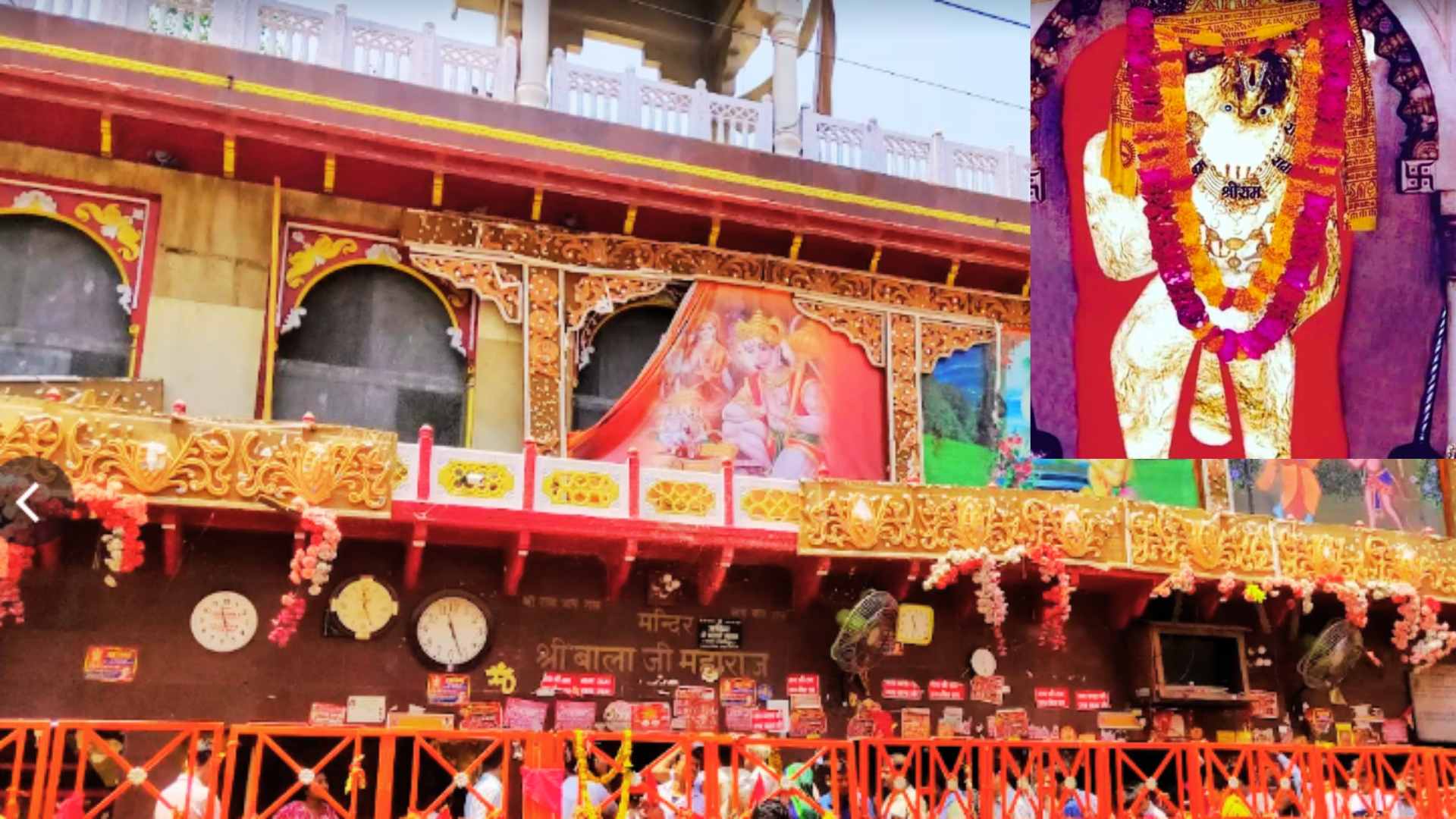
One of India’s most powerful Hanuman temples — intense, unique, and utterly unlike any other pilgrimage experience. A natural pairing with Neelkanth for devotees visiting Dausa.
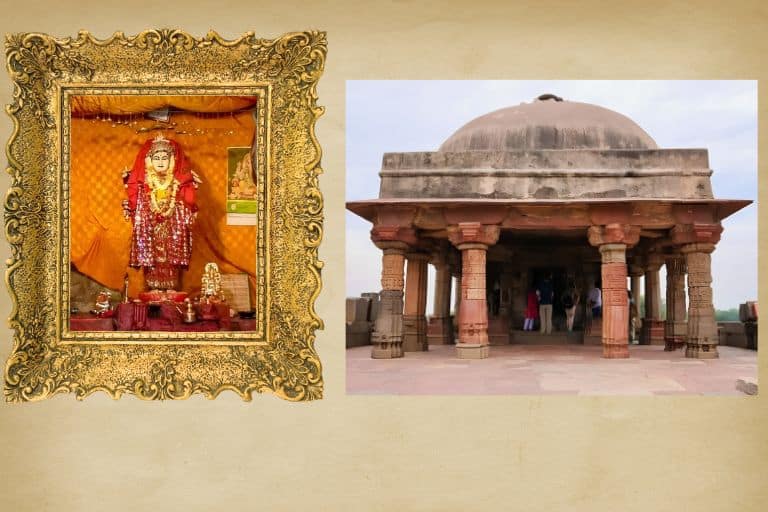
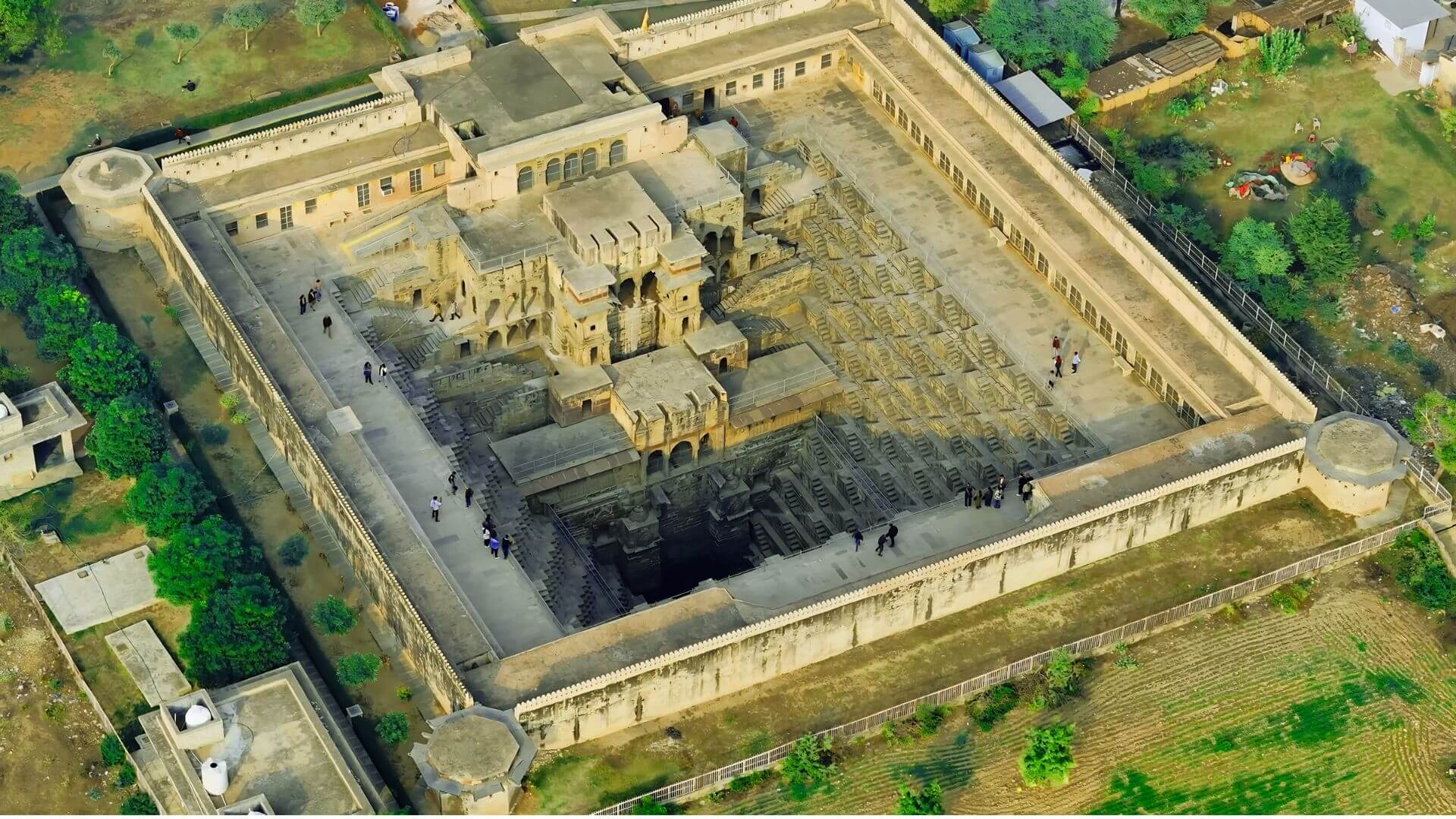
The 9th-century goddess temple and the world-famous stepwell — one of the finest heritage combinations in all of Rajasthan.
Rajasthan’s most famous “haunted” fort in the Aravallis — dramatic architecture, compelling history, and stories that keep going.
For those wanting wildlife alongside their spiritual journey — tigers, leopards, and excellent birdlife.
Govind Dev Ji Temple, Amber Fort, City Palace, Galtaji — the natural base for any extended exploration of eastern Rajasthan.
Practical Tips – Visiting Neelkanth Mahadev Temple
Practical Tips to Visit Neelkanth Mahadev Temple
Dausa, Rajasthan
-
Begin EarlyIdeal time to begin the ascent is well before 7:30 AM — the climate is cooler, the light softer, and fewer pilgrims are around. You may even catch the early morning aarti. In summer months, starting early is not just recommended — it is essential.
-
Choose Your Footwear CarefullyThe 365 steps can become slippery — especially during the rainy season. Wear footwear with a good grip that can also be removed easily before entering the temple premises.
-
Carry Drinking WaterThe ascent requires physical energy — carry enough water for the climb. However, avoid drinking water inside the temple precincts out of respect.
-
Dress ModestlyThis is an active and revered place of worship. Visitors are requested to dress appropriately and respectfully before entering the temple.
-
Buy Puja Items Near the BaseItems such as Bel Patra, flowers, and milk are available at the base of the hill. Purchase them before you begin your climb — vendors are not available higher up.
-
Plan the Descent TooThe descent after darshan is easier than the climb, but extra care is needed for older visitors and children due to the worn nature of the stone steps. Take it slow and steady.
-
Mondays Are SpecialFoot traffic increases considerably on Mondays, but so does the devotion within the pilgrim community. The energy and atmosphere are truly unlike any other day — an experience worth seeking at least once.
-
Avoid the Afternoon HoursClimbing 365 stairs under Rajasthan’s blazing sun between 11 AM and 4 PM can be extremely uncomfortable and even unsafe. Plan your visit in the early morning or late afternoon instead.
-
Take in the View from the TopBefore descending, spend a few quiet moments at the hilltop to absorb the panoramic view. The landscape stretching out below is breathtaking and deeply memorable — something you will carry with you long after the visit.
Frequently Asked Questions (FAQs) about Neelkanth Mahadev Temple
Neelkanth Mahadev Temple in Dausa is one of the five sacred Panch Mahadev shrines of the region. Perched on Devgiri hill and accessible via 365 steps, this 10th-century Shiva temple is revered for its spiritual energy, ancient origins, and panoramic views of Dausa. It holds special importance during Mahashivratri and the Sawan month (July–August).
The temple is open for darshan from 5:30 AM to 12:00 PM (morning session) and 4:00 PM to 9:00 PM (evening session). The temple remains closed between 12:00 PM and 4:00 PM. Morning aarti is held from 5:30 AM to 6:30 AM and evening aarti from 7:00 PM to 7:45 PM. Arriving before 7:00 AM is ideal for a peaceful darshan.
Yes — the temple is open every day of the year, including Sundays and public holidays. Morning darshan runs from 5:30 AM to 12:00 PM and evening darshan from 4:00 PM to 9:00 PM. Mondays and festival days see significantly higher footfall.
The temple is located approximately 2 to 3 km from Dausa city centre on Devgiri hill. It is easily reachable by auto-rickshaw, e-rickshaw, or private vehicle in under 10 minutes.
The temple is famous for being a key part of the Panch Mahadev pilgrimage circuit, its hilltop setting on Devgiri hill with 365 steps, ancient 10th-century origins, and the panoramic view of Dausa from the summit. It is one of eastern Rajasthan’s most significant Shiva pilgrimage sites.
There are 365 steps — one for each day of the year. The climb takes approximately 20 to 30 minutes at a comfortable pace. Wear good-grip footwear as steps can be slippery during the monsoon season.
Darshan timings are 5:30 AM to 12:00 PM (morning) and 4:00 PM to 9:00 PM (evening). The temple is closed from 12:00 PM to 4:00 PM daily. Morning aarti is at 5:30–6:30 AM and evening aarti at 7:00–7:45 PM. Early morning visits are strongly recommended to avoid heat and crowds.
Panch Mahadev refers to five ancient Shiva temples in and around Dausa — including Neelkanth Mahadev and Somnath Mahadev — collectively revered as a sacred pilgrimage circuit. Completing darshan at all five is considered highly auspicious, particularly on Mahashivratri when devoted pilgrims complete the full parikrama in a single day.
The best season is October to March when the weather is pleasant. Within a day, arrive before 7:00 AM for morning aarti or visit after 4:00 PM for the evening session. The temple is closed from 12:00 PM to 4:00 PM. Mondays and the Sawan month (July–August) are the most devotionally vibrant times to visit.
दौसा का नीलकंठ महादेव मंदिर पंच महादेव तीर्थ सर्किट का एक प्रमुख हिस्सा है। यह 10वीं शताब्दी का प्राचीन शिव मंदिर देवगिरि पहाड़ी पर स्थित है जहाँ 365 सीढ़ियाँ चढ़कर पहुँचा जाता है। यहाँ से दौसा का मनोरम दृश्य दिखता है और महाशिवरात्रि व सावन मास में विशेष उत्सव होते हैं।
हाँ, नीलकंठ की कथा हिंदू पुराणों में वर्णित समुद्र मंथन पर आधारित है। भगवान शिव ने संसार की रक्षा के लिए हलाहल विष को पी लिया, जिससे उनका कंठ नीला पड़ गया और वे ‘नीलकंठ’ कहलाए। यह कथा शैव परंपरा में अत्यंत पूजनीय है।
Explore Nearby Temples
Discover famous temples and spiritual destinations near Neelkanth Mahadev Temple, Dausa