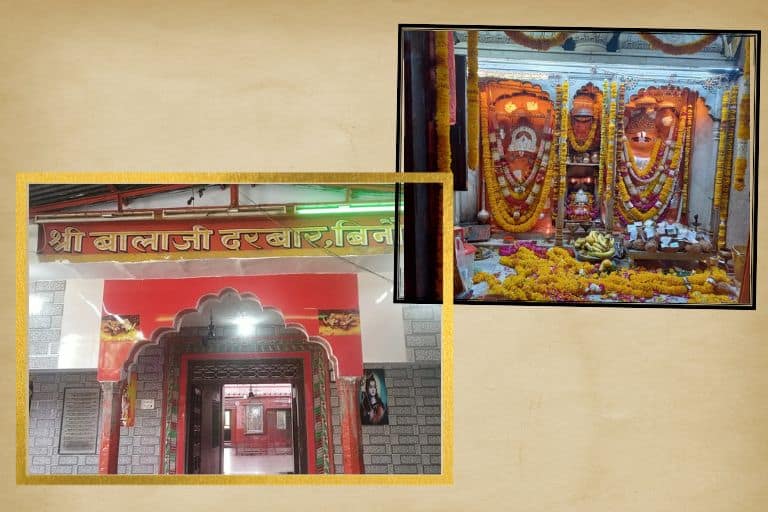
Hanuman Chalisa – Lyrics, Meaning, Benefits, Vidhi & Significance
Hanuman Chalisa Complete Guide
🚩 Goswami Tulsidas • Authentic Devotional Text • Sanatan Wisdom

Hanuman Chalisa

Complete Lyrics in Hindi & Hinglish with Meaning, Benefits and Spiritual Significance

Read the complete Hanuman Chalisa in original Hindi and Romanized Hinglish, understand its deeper meaning, discover spiritual benefits, and learn the traditional recitation method according to Sanatan traditions.

🚩

हनुमान चालीसा

Shri Hanuman Chalisa – Complete & Authentic
✦ Composed by Goswami Tulsidas ✦ Original Awadhi Text ✦

📜 Hanuman Chalisa – Introduction

Goswami Tulsidas
Author
Awadhi
Language
40 Chaupai + 3 Doha
Total Verses
16th Century CE
Period of Composition
Chaupai (Quatrain)
Metre (Chhanda)
Bhakti Stotra
Genre

Hanuman Chalisa (हनुमान चालीसा) is one of the most sacred hymns in the Hindu tradition, composed in devotion to Lord Hanuman. The word Chalisa derives from chalis, meaning forty in Hindi — a reference to the forty chaupai (quatrain) verses that form the core of this stotra. Two opening doha couplets and one closing doha bring the total verse count to forty-three.

This timeless composition was written by the great poet-saint Goswami Tulsidas in the Awadhi language — the same scholar who authored the Ramcharitmanas. The Hanuman Chalisa is among the most widely recited prayers in the world, chanted daily by millions of devotees across every continent.

The Chalisa extols Bajrangbali’s incomparable strength, wisdom, knowledge, valor, celibacy, and unwavering devotion to Lord Rama. It is at once a divine shield, a spiritual guide, and a transformative devotional experience — not merely a prayer, but a complete inner journey.

“जो सत बार पाठ कर कोई। छूटहि बन्दि महा-सुख होई॥” — Whosoever recites this Chalisa one hundred times shall be freed from worldly bondage and attain supreme bliss.

🕉️ Hanuman Chalisa – Hindi Mool Paath

The text below presents the complete and authentic Awadhi-Hindi original of the Hanuman Chalisa as composed by Goswami Tulsidas. Please read or recite with attentiveness and devotion.

॥ दोहा १ ॥
श्रीगुरु चरन सरोज रज, निज मनु मुकुरु सुधारि।
बरनउँ रघुबर बिमल जसु, जो दायकु फल चारि॥
॥ दोहा २ ॥
बुद्धिहीन तनु जानिके, सुमिरौं पवन-कुमार।
बल बुद्धि विद्या देहु मोहिं, हरहु कलेश विकार॥
चौपाई १–४०
जय हनुमान ज्ञान गुन सागर। जय कपीस तिहुँ लोक उजागर॥
राम दूत अतुलित बल धामा। अंजनि-पुत्र पवनसुत नामा॥

महाबीर बिक्रम बजरंगी। कुमति निवार सुमति के संगी॥
कंचन बरन बिराज सुबेसा। कानन कुंडल कुंचित केसा॥

हाथ बज्र औ ध्वजा बिराजै। काँधे मूँज जनेउ साजै॥
संकर सुवन केसरी नंदन। तेज प्रताप महा जग वंदन॥

विद्यावान गुनी अति चातुर। राम काज करिबे को आतुर॥
प्रभु चरित्र सुनिबे को रसिया। राम लखन सीता मन बसिया॥

सूक्ष्म रूप धरि सियहिं दिखावा। बिकट रूप धरि लंक जरावा॥
भीम रूप धरि असुर सँहारे। रामचंद्र के काज सँवारे॥

लाय सजीवन लखन जियाये। श्रीरघुबीर हरषि उर लाये॥
रघुपति कीन्ही बहुत बड़ाई। तुम मम प्रिय भरतहि सम भाई॥

सहस बदन तुम्हरो जस गावैं। अस कहि श्रीपति कण्ठ लगावैं॥
सनकादिक ब्रह्मादि मुनीसा। नारद सारद सहित अहीसा॥

जम कुबेर दिगपाल जहाँ ते। कबि कोबिद कहि सकैं कहाँ ते॥
तुम उपकार सुग्रीवहिं कीन्हा। राम मिलाय राज-पद दीन्हा॥

तुम्हरो मंत्र विभीषन माना। लंकेश्वर भए सब जग जाना॥
जुग सहस्र जोजन पर भानू। लील्यो ताहि मधुर फल जानू॥

प्रभु मुद्रिका मेलि मुख माहीं। जलधि लाँघि गये अचरज नाहीं॥
दुर्गम काज जगत के जेते। सुगम अनुग्रह तुम्हरे तेते॥

राम दुआरे तुम रखवारे। होत न आज्ञा बिनु पैसारे॥
सब सुख लहै तुम्हारी सरना। तुम रक्षक काहू को डर ना॥

आपन तेज सम्हारो आपै। तीनों लोक हाँक ते काँपै॥
भूत पिसाच निकट नहिं आवै। महाबीर जब नाम सुनावै॥

नासै रोग हरै सब पीरा। जपत निरंतर हनुमत बीरा॥
संकट तें हनुमान छुड़ावै। मन क्रम बचन ध्यान जो लावै॥

सब पर राम तपस्वी राजा। तिन के काज सकल तुम साजा॥
और मनोरथ जो कोई लावै। सोई अमित जीवन फल पावै॥

चारों जुग परताप तुम्हारा। है परसिद्ध जगत उजियारा॥
साधु-संत के तुम रखवारे। असुर निकंदन राम दुलारे॥

अष्ट सिद्धि नौ निधि के दाता। अस बर दीन्ह जानकी माता॥
राम रसायन तुम्हरे पासा। सदा रहो रघुपति के दासा॥

तुम्हरे भजन राम को पावै। जनम-जनम के दुख बिसरावै॥
अंत काल रघुबर पुर जाई। जहाँ जन्म हरि-भक्त कहाई॥

और देवता चित्त न धरई। हनुमत सेई सर्ब सुख करई॥
संकट कटै मिटै सब पीरा। जो सुमिरै हनुमत बल बीरा॥

जय जय जय हनुमान गोसाईं। कृपा करहु गुरुदेव की नाईं॥
जो सत बार पाठ कर कोई। छूटहि बन्दि महा-सुख होई॥

जो यह पढ़ै हनुमान चालीसा। होय सिद्धि साखी गौरीसा॥
तुलसीदास सदा हरि चेरा। कीजै नाथ हृदय मँह डेरा॥
॥ दोहा (अंत) ॥
पवन-तनय संकट-हरन, मंगल-मूरति रूप।
राम लखन सीता सहित, हृदय बसहु सुर भूप॥

🔤 Hanuman Chalisa in Hinglish (Roman Script)

For devotees who are not familiar with the Devanagari script, the complete Hanuman Chalisa is provided below in Roman (Hinglish) transliteration. The phonetics and devotional spirit of each verse have been preserved faithfully.

Doha 1
Shri Guru Charan Saroj Raj, Nij Manu Mukuru Sudhari.
Barnau Raghuvar Bimal Jasu, Jo Dayaku Phal Chari.
Doha 2
Buddhiheen Tanu Jaanike, Sumirou Pavan Kumar.
Bal Buddhi Vidya Dehu Mohi, Harahu Kalesh Vikar.
Chaupai 1–40
Jai Hanuman Gyan Gun Sagar. Jai Kapis Tihu Lok Ujagar.॥
Ram Doot Atulit Bal Dhama. Anjani-Putra Pavanasut Nama.॥

Mahaveer Vikram Bajrangi. Kumati Niwar Sumati Ke Sangi.॥
Kanchan Baran Biraj Subesa. Kanan Kundal Kunchit Kesa.॥

Hath Vajra Au Dhwaja Biraje. Kandhe Moonj Janeu Saje.॥
Sankar Suvan Kesari Nandan. Tej Pratap Maha Jag Vandan.॥

Vidyavaan Guni Ati Chatur. Ram Kaj Karibe Ko Aatur.॥
Prabhu Charitra Sunibe Ko Rasiya. Ram Lakhan Sita Man Basiya.॥

Sukshma Roop Dhari Siyahi Dikhava. Bikat Roop Dhari Lank Jarava.॥
Bheem Roop Dhari Asur Sanhare. Ramchandra Ke Kaj Sanvare.॥

Laye Sajeevan Lakhan Jiyaye. Shri Raghuveer Harashi Ur Laye.॥
Raghupati Kinhi Bahut Badai. Tum Mama Priya Bharatahi Sam Bhai.॥

Sahas Badan Tumharo Jas Gaaven. As Kahi Shripati Kanth Lagaven.॥
Sanakaadik Brahmadi Muneesa. Narad Sarad Sahit Aheesa.॥

Yam Kuber Dikpal Jahan Te. Kavi Kovid Kahi Sake Kahan Te.॥
Tum Upkar Sugreevahi Keenha. Ram Milay Rajpad Deenha.॥

Tumharo Mantra Vibheeshan Mana. Lankeshwar Bhaye Sab Jag Jana.॥
Jug Sahastra Yojan Par Bhanu. Leelyo Tahi Madhur Phal Jaanu.॥

Prabhu Mudrika Meli Mukh Maahi. Jaladhi Langhi Gaye Acharaj Naahi.॥
Durgam Kaaj Jagat Ke Jete. Sugam Anugraha Tumhare Tete.॥

Ram Duare Tum Rakhware. Hot Na Aagya Binu Paisare.॥
Sab Sukh Lahai Tumhari Sarna. Tum Rakshak Kahu Ko Dar Na.॥

Aapan Tej Samharo Aapai. Teenon Lok Haank Te Kaanpai.॥
Bhoot Pisach Nikat Nahi Aave. Mahaveer Jab Naam Sunave.॥

Nase Rog Harai Sab Peera. Japat Nirantar Hanumat Veera.॥
Sankat Ten Hanuman Chhudave. Man Kram Bachan Dhyan Jo Lave.॥

Sab Par Ram Tapasvi Raja. Tin Ke Kaaj Sakal Tum Saja.॥
Aur Manorath Jo Koi Lave. Soi Amit Jeevan Phal Pave.॥

Charon Yug Partap Tumhara. Hai Parsidh Jagat Ujiyara.॥
Sadhu Sant Ke Tum Rakhware. Asur Nikandan Ram Dulare.॥

Asht Siddhi Nau Nidhi Ke Data. As Var Deenh Janki Mata.॥
Ram Rasayan Tumhare Pasa. Sada Raho Raghupati Ke Dasa.॥

Tumhare Bhajan Ram Ko Pave. Janam Janam Ke Dukh Bisrave.॥
Ant Kaal Raghuvar Pur Jayi. Jahan Janam Hari Bhakt Kahayi.॥

Aur Devata Chitt Na Dharai. Hanumat Sei Sarb Sukh Karai.॥
Sankat Kate Mite Sab Peera. Jo Sumirai Hanumat Bal Veera.॥

Jai Jai Jai Hanuman Gosai. Kripa Karahu Gurudev Ki Naayi.॥
Jo Sat Baar Path Kar Koi. Chhutahi Bandi Maha Sukh Hoi.॥

Jo Yeh Padhe Hanuman Chalisa. Hoy Siddhi Sakhi Gaurisa.॥
Tulsidas Sada Hari Chera. Keejai Nath Hriday Mah Dera.॥
Closing Doha
Pavan Tanay Sankat Haran, Mangal Moorti Roop.
Ram Lakhan Sita Sahit, Hriday Basahu Sur Bhoop.

💫 Complete Hanuman Chalisa – Verse-by-Verse Meaning

Below is the complete Hanuman Chalisa with Hindi text, Roman transliteration, and English meaning for every verse. Each couplet and quatrain has been explained in clear, devotional English to aid both understanding and meditation.

॥ Opening Dohas — Invocation ॥

Doha 1
श्रीगुरु चरन सरोज रज, निज मनु मुकुरु सुधारि।
बरनउँ रघुबर बिमल जसु, जो दायकु फल चारि॥
Shri Guru Charan Saroj Raj, Nij Manu Mukuru Sudhari.
Barnau Raghuvar Bimal Jasu, Jo Dayaku Phal Chari.
Meaning: Cleansing the mirror of my mind with the sacred dust of the Guru’s lotus feet, I sing the pure and spotless glory of Lord Rama — the glory that bestows all four fruits of human existence: Dharma (righteousness), Artha (prosperity), Kama (fulfilment of desires), and Moksha (spiritual liberation).
Doha 2
बुद्धिहीन तनु जानिके, सुमिरौं पवन-कुमार।
बल बुद्धि विद्या देहु मोहिं, हरहु कलेश विकार॥
Buddhiheen Tanu Jaanike, Sumirou Pavan Kumar.
Bal Buddhi Vidya Dehu Mohi, Harahu Kalesh Vikar.
Meaning: Recognising the limitations of my body and mind, I humbly invoke Pavan Kumar — the Son of the Wind. O Lord, please bless me with strength, wisdom, and knowledge, and remove all afflictions and impurities from my life.

॥ Chaupai 1–10 — The Divine Form and Attributes of Lord Hanuman ॥

Chaupai 1
जय हनुमान ज्ञान गुन सागर। जय कपीस तिहुँ लोक उजागर॥
Jai Hanuman Gyan Gun Sagar. Jai Kapis Tihu Lok Ujagar.
Meaning: Victory to Lord Hanuman — an ocean of wisdom and virtue. Victory to the King of the Vanaras, whose luminous presence illuminates all three worlds. Note: This opening verse introduces Hanuman’s two defining qualities: profound inner knowledge and the radiant light that pervades the cosmos.
Chaupai 2
राम दूत अतुलित बल धामा। अंजनि-पुत्र पवनसुत नामा॥
Ram Doot Atulit Bal Dhama. Anjani-Putra Pavanasut Nama.
Meaning: You are the divine messenger of Lord Rama and the embodiment of incomparable strength. You are known as the son of Mother Anjani and as Pavanasut — the son of the Wind. Three identities: his divine purpose (messenger of Rama), his birth lineage (son of Anjani), and his cosmic heritage (son of the Wind).
Chaupai 3
महाबीर बिक्रम बजरंगी। कुमति निवार सुमति के संगी॥
Mahaveer Vikram Bajrangi. Kumati Niwar Sumati Ke Sangi.
Meaning: O Great Warrior, your valour is immeasurable and your body is firm as thunderbolt. You dispel wicked thoughts and ignorance, and you are the constant companion of noble wisdom and discernment. Significance: This verse is especially revered for its power to purify the mind and cultivate clarity of thought.
Chaupai 4
कंचन बरन बिराज सुबेसा। कानन कुंडल कुंचित केसा॥
Kanchan Baran Biraj Subesa. Kanan Kundal Kunchit Kesa.
Meaning: Your complexion is golden like refined gold, and you are adorned in a magnificent divine form. You wear earrings upon your ears, and your hair falls in beautiful curling locks. Meditation: This verse is used in mental-worship (manasik puja) to visualise and meditate upon the radiant divine form of Lord Hanuman.
Chaupai 5
हाथ बज्र औ ध्वजा बिराजै। काँधे मूँज जनेउ साजै॥
Hath Vajra Au Dhwaja Biraje. Kandhe Moonj Janeu Saje.
Meaning: In your hands the thunderbolt (vajra) and the divine flag (dhwaja) are gracefully held, and upon your shoulder rests the sacred moonj-janeu (the thread of sacred initiation). Symbolism: The vajra represents supreme invincible power; the flag represents eternal victory; and the janeu represents his vow of celibacy and spiritual discipline.
Chaupai 6
संकर सुवन केसरी नंदन। तेज प्रताप महा जग वंदन॥
Sankar Suvan Kesari Nandan. Tej Pratap Maha Jag Vandan.
Meaning: You are the divine manifestation of Lord Shankara (Shiva) and the beloved son of Kesari. Your radiance and glory are so magnificent that the entire universe bows before you in reverence. Significance: This verse affirms Hanuman as an incarnation of Lord Shiva — a foundational teaching in Vaishnava and Shaiva traditions alike.
Chaupai 7
विद्यावान गुनी अति चातुर। राम काज करिबे को आतुर॥
Vidyavaan Guni Ati Chatur. Ram Kaj Karibe Ko Aatur.
Meaning: You are supremely learned, virtuous, and immensely skilled — yet despite all your great capabilities, you are ever eager and ready only to serve the mission of Lord Rama. Teaching: The highest purpose of knowledge and skill is selfless service — this is the profound lesson woven into this verse.
Chaupai 8
प्रभु चरित्र सुनिबे को रसिया। राम लखन सीता मन बसिया॥
Prabhu Charitra Sunibe Ko Rasiya. Ram Lakhan Sita Man Basiya.
Meaning: You delight in hearing the divine stories and glories of Lord Rama, and Lord Ram, Lakshmana, and Mother Sita eternally reside within your heart. Devotion: This verse portrays the ideal of pure bhakti — a heart in which the divine always dwells, and for whom divine listening is the greatest joy.
Chaupai 9
सूक्ष्म रूप धरि सियहिं दिखावा। बिकट रूप धरि लंक जरावा॥
Sukshma Roop Dhari Siyahi Dikhava. Bikat Roop Dhari Lank Jarava.
Meaning: Assuming a tiny form, you revealed yourself to Mother Sita in the Ashoka Vatika; then assuming a terrifying and mighty form, you set the entire city of Lanka ablaze. Divine Versatility: The Lord manifests in the form most appropriate to the moment — gentle mercy toward the devotee, fierce justice toward the wicked.
Chaupai 10
भीम रूप धरि असुर सँहारे। रामचंद्र के काज सँवारे॥
Bheem Roop Dhari Asur Sanhare. Ramchandra Ke Kaj Sanvare.
Meaning: Assuming a colossal and fearsome form, you vanquished the demonic forces and accomplished all of Lord Ramachandra’s divine missions. Significance: “Fulfilling Ram’s mission” here means not merely the victory over Lanka — but the very restoration and protection of righteousness (dharma) on earth.

॥ Chaupai 11–20 — Hanuman’s Heroic Deeds in the Ramayana ॥

Chaupai 11
लाय सजीवन लखन जियाये। श्रीरघुबीर हरषि उर लाये॥
Laye Sajeevan Lakhan Jiyaye. Shri Raghuveer Harashi Ur Laye.
Meaning: You brought the Sanjeevani herb and restored Lakshmana to life. Overjoyed and deeply moved, Lord Raghuveer (Rama) embraced you warmly to his chest. Message: This verse embodies the promise of divine rescue — that in the darkest hour, Hanuman always arrives precisely when needed.
Chaupai 12
रघुपति कीन्ही बहुत बड़ाई। तुम मम प्रिय भरतहि सम भाई॥
Raghupati Kinhi Bahut Badai. Tum Mama Priya Bharatahi Sam Bhai.
Meaning: Lord Raghupati (Rama) praised you greatly and declared — “You are as dear to me as my own brother Bharat.” Significance: This is direct testimony of the supreme divine love between Rama and Hanuman — an unparalleled honour bestowed upon the devoted servant.
Chaupai 13
सहस बदन तुम्हरो जस गावैं। अस कहि श्रीपति कण्ठ लगावैं॥
Sahas Badan Tumharo Jas Gaaven. As Kahi Shripati Kanth Lagaven.
Meaning: Even the thousand-mouthed Shesha Naga sings your praises — saying this, Lord Shripati (Vishnu incarnate as Rama) embraced you with deep affection. Implication: When even the cosmic serpent Shesha — who holds all creation — cannot fully sing your glory, your greatness is truly infinite and beyond all measure.
Chaupai 14
सनकादिक ब्रह्मादि मुनीसा। नारद सारद सहित अहीसा॥
Sanakaadik Brahmadi Muneesa. Narad Sarad Sahit Aheesa.
Meaning: The sage-quartet of Sanaka and his brothers, Lord Brahma and the great sages, Narada Muni, Goddess Saraswati, and Shesha Naga himself — none of them are capable of fully describing your complete glory and greatness.
Chaupai 15
जम कुबेर दिगपाल जहाँ ते। कबि कोबिद कहि सकैं कहाँ ते॥
Yam Kuber Dikpal Jahan Te. Kavi Kovid Kahi Sake Kahan Te.
Meaning: Yama, Kubera, and the guardians of all eight directions — not even the greatest of poets or scholars can find adequate words to describe your glory. Essence: Hanuman transcends all language — no earthly verse or human intellect can fully contain or express his infinite divine nature.
Chaupai 16
तुम उपकार सुग्रीवहिं कीन्हा। राम मिलाय राज-पद दीन्हा॥
Tum Upkar Sugreevahi Keenha. Ram Milay Rajpad Deenha.
Meaning: You performed a great act of grace for Sugriva — you introduced him to Lord Rama, and through that union, Sugriva received the kingdom of Kishkindha. Teaching: True friendship means connecting others to a higher purpose with no thought of personal gain — this exemplifies Hanuman’s selfless nature.
Chaupai 17
तुम्हरो मंत्र विभीषन माना। लंकेश्वर भए सब जग जाना॥
Tumharo Mantra Vibheeshan Mana. Lankeshwar Bhaye Sab Jag Jana.
Meaning: Vibhishana heeded your counsel, took refuge in Lord Rama, and the entire world witnessed him become the righteous king of Lanka. Message: Whoever follows Hanuman’s guidance and chooses the path of righteousness receives the highest reward — both in this world and beyond.
Chaupai 18
जुग सहस्र जोजन पर भानू। लील्यो ताहि मधुर फल जानू॥
Jug Sahastra Yojan Par Bhanu. Leelyo Tahi Madhur Phal Jaanu.
Meaning: You swallowed the Sun — situated countless yojanas away — mistaking it for a sweet fruit, in your divine childhood play. Context: This verse describes the famous childhood leela of infant Hanuman. The phrase “Jug Sahastra Yojan” is a poetic description of the vast cosmic distance to the Sun, expressed through the devotional imagination of Tulsidas.
Chaupai 19
प्रभु मुद्रिका मेलि मुख माहीं। जलधि लाँघि गये अचरज नाहीं॥
Prabhu Mudrika Meli Mukh Maahi. Jaladhi Langhi Gaye Acharaj Naahi.
Meaning: Holding Lord Rama’s ring (signet) in your mouth, you leaped across the vast ocean to Lanka — and this is no cause for wonder. Teaching: When divine grace and sincere devotion combine, no task in the universe remains impossible — the impossible becomes effortless.
Chaupai 20
दुर्गम काज जगत के जेते। सुगम अनुग्रह तुम्हरे तेते॥
Durgam Kaaj Jagat Ke Jete. Sugam Anugraha Tumhare Tete.
Meaning: Every difficult and seemingly impossible task in this world becomes easy and attainable through your divine grace and blessing. Prayer: This verse is frequently recited when facing challenges in life — it is a declaration of complete trust in Lord Hanuman’s transformative compassion.

॥ Chaupai 21–30 — Blessings and Divine Protection for Devotees ॥

Chaupai 21
राम दुआरे तुम रखवारे। होत न आज्ञा बिनु पैसारे॥
Ram Duare Tum Rakhware. Hot Na Aagya Binu Paisare.
Meaning: You are the keeper and guardian of Lord Rama’s divine abode — none may enter without your permission and blessing. Significance: The path to Rama runs through Hanuman. Devotion to Hanuman is, by nature, devotion to Rama — he is the sacred doorway to the Lord’s grace.
Chaupai 22
सब सुख लहै तुम्हारी सरना। तुम रक्षक काहू को डर ना॥
Sab Sukh Lahai Tumhari Sarna. Tum Rakshak Kahu Ko Dar Na.
Meaning: Those who take refuge in you attain all happiness and fulfilment. When you are the protector, there remains no fear for anyone. Shelter: This verse is recited as a shield of fearlessness — in moments of anxiety or danger, it is a direct invocation of Hanuman’s protecting presence.
Chaupai 23
आपन तेज सम्हारो आपै। तीनों लोक हाँक ते काँपै॥
Aapan Tej Samharo Aapai. Teenon Lok Haank Te Kaanpai.
Meaning: You alone contain and moderate your own divine radiance — and yet even your single roar causes all three worlds to tremble. Spiritual Insight: Despite being the most powerful force in creation, Hanuman remains completely humble, selfless, and restrained — the hallmark of true greatness.
Chaupai 24
भूत पिसाच निकट नहिं आवै। महाबीर जब नाम सुनावै॥
Bhoot Pisach Nikat Nahi Aave. Mahaveer Jab Naam Sunave.
Meaning: Malevolent spirits and negative forces dare not come near when the name of Mahaveer Hanuman is uttered or heard. Protection: This verse has been revered for centuries as a powerful shield against all forms of negative energy and spiritual disturbance.
Chaupai 25
नासै रोग हरै सब पीरा। जपत निरंतर हनुमत बीरा॥
Nase Rog Harai Sab Peera. Japat Nirantar Hanumat Veera.
Meaning: All disease is destroyed and all pain and suffering is removed for one who continuously and devotedly chants the name of the heroic Hanuman. For the Afflicted: This verse is particularly associated with prayers for good health and the recovery of the sick, and is recited with deep faith in Hanuman’s healing grace.
Chaupai 26
संकट तें हनुमान छुड़ावै। मन क्रम बचन ध्यान जो लावै॥
Sankat Ten Hanuman Chhudave. Man Kram Bachan Dhyan Jo Lave.
Meaning: Hanuman liberates the devotee from all crises and afflictions — for the one who meditates upon him with thought, deed, and word alike. Integration: True devotion is threefold — aligned in mind, action, and speech. When all three are united in Hanuman’s remembrance, liberation from suffering follows.
Chaupai 27
सब पर राम तपस्वी राजा। तिन के काज सकल तुम साजा॥
Sab Par Ram Tapasvi Raja. Tin Ke Kaaj Sakal Tum Saja.
Meaning: Lord Rama is the great ascetic king who reigns supreme above all — and you, Hanuman, have fulfilled every one of his divine tasks and missions. Service: This verse celebrates Hanuman as the perfect servant — one whose entire existence is dedicated to the completion of the Lord’s divine will.
Chaupai 28
और मनोरथ जो कोई लावै। सोई अमित जीवन फल पावै॥
Aur Manorath Jo Koi Lave. Soi Amit Jeevan Phal Pave.
Meaning: Whoever brings any heartfelt wish or desire before Lord Hanuman shall receive the boundless and immeasurable fruit of life in return. Blessing: This verse is understood as Hanuman’s open promise to every sincere devotee — no earnest prayer brought to him goes unanswered.
Chaupai 29
चारों जुग परताप तुम्हारा। है परसिद्ध जगत उजियारा॥
Charon Yug Partap Tumhara. Hai Parsidh Jagat Ujiyara.
Meaning: Your glory and valour have been renowned across all four ages — Satya, Treta, Dwapara, and Kali — and your radiant light is celebrated throughout the entire universe. Your divine fame is eternal and transcends the boundaries of time itself.
Chaupai 30
साधु-संत के तुम रखवारे। असुर निकंदन राम दुलारे॥
Sadhu Sant Ke Tum Rakhware. Asur Nikandan Ram Dulare.
Meaning: You are the protector of all saints and sages, the destroyer of demonic forces, and the most beloved of Lord Rama. Dharma’s Shield: Throughout the ages, Hanuman has manifested to defend those walking the path of righteousness against the forces of darkness and adharma.

॥ Chaupai 31–40 — The Eight Siddhis, Liberation, and Tulsidas’s Final Prayer ॥

Chaupai 31
अष्ट सिद्धि नौ निधि के दाता। अस बर दीन्ह जानकी माता॥
Asht Siddhi Nau Nidhi Ke Data. As Var Deenh Janki Mata.
Meaning: You are the bestower of the eight great spiritual powers (Asht Siddhi) and the nine divine treasures (Nav Nidhi) — this boon was granted to you by Mother Sita (Janaki) herself. Eight Siddhis: Anima (miniaturisation), Mahima (expansion), Garima (gravity), Laghima (weightlessness), Prapti (omnipresence), Prakamya (fulfilment of will), Ishitva (divine authority), Vashitva (mastery over all).
Chaupai 32
राम रसायन तुम्हरे पासा। सदा रहो रघुपति के दासा॥
Ram Rasayan Tumhare Pasa. Sada Raho Raghupati Ke Dasa.
Meaning: You possess the divine elixir of Ram’s Name — the supreme remedy for all suffering. You are forever content to remain the eternal servant of Lord Raghupati. Teaching: The name of Rama is described as a celestial medicine (rasayana) — and Hanuman is its living embodiment and tireless bearer through the ages.
Chaupai 33
तुम्हरे भजन राम को पावै। जनम-जनम के दुख बिसरावै॥
Tumhare Bhajan Ram Ko Pave. Janam Janam Ke Dukh Bisrave.
Meaning: Through devotional singing and worship of you, one attains the grace of Lord Rama, and the accumulated suffering of countless lifetimes is erased. Path to Liberation: Hanuman devotion is itself a proven spiritual path — one that dissolves karmic burdens accumulated across many births.
Chaupai 34
अंत काल रघुबर पुर जाई। जहाँ जन्म हरि-भक्त कहाई॥
Ant Kaal Raghuvar Pur Jayi. Jahan Janam Hari Bhakt Kahayi.
Meaning: At the time of death, such a devotee goes to the divine abode of Lord Raghupati (Ram Dham); and if rebirth occurs, they are born as a devoted servant of the Lord. Supreme Fruit: This verse offers the highest blessing — liberation into Ram’s eternal abode, or if reborn, the precious gift of a life in divine devotion.
Chaupai 35
और देवता चित्त न धरई। हनुमत सेई सर्ब सुख करई॥
Aur Devata Chitt Na Dharai. Hanumat Sei Sarb Sukh Karai.
Meaning: There is no need to hold any other deity in mind — devotion and service to Hanuman alone brings all happiness and fulfilment in life. Completeness: The essence of all deities is contained within Hanuman — worshipping him with sincerity fulfils all spiritual and material aspirations together.
Chaupai 36
संकट कटै मिटै सब पीरा। जो सुमिरै हनुमत बल बीरा॥
Sankat Kate Mite Sab Peera. Jo Sumirai Hanumat Bal Veera.
Meaning: All crises are severed and all suffering is extinguished for one who remembers the mighty and heroic Hanuman with sincere devotion. Immediate Remedy: This verse is traditionally recited in moments of sudden crisis — it is a direct call upon Hanuman’s power to dissolve difficulty immediately.
Chaupai 37
जय जय जय हनुमान गोसाईं। कृपा करहु गुरुदेव की नाईं॥
Jai Jai Jai Hanuman Gosai. Kripa Karahu Gurudev Ki Naayi.
Meaning: Victory, victory, victory to Lord Hanuman! Bestow your compassionate grace upon me, just as a Guru (spiritual teacher) showers grace upon a disciple. Triple Victory: The threefold “Jai” represents homage to the three divine aspects — Brahma (Creator), Vishnu (Preserver), and Mahesh (Destroyer) — all encompassed within Hanuman.
Chaupai 38
जो सत बार पाठ कर कोई। छूटहि बन्दि महा-सुख होई॥
Jo Sat Baar Path Kar Koi. Chhutahi Bandi Maha Sukh Hoi.
Meaning: Whoever recites this Chalisa one hundred times shall be freed from all worldly bondage and attain the highest joy and liberation. Spiritual Practice: Reciting the Chalisa one hundred times (Shat Paath) is a traditional anushtan — a prescribed spiritual discipline through which Hanuman’s grace is said to manifest fully.
Chaupai 39
जो यह पढ़ै हनुमान चालीसा। होय सिद्धि साखी गौरीसा॥
Jo Yeh Padhe Hanuman Chalisa. Hoy Siddhi Sakhi Gaurisa.
Meaning: Whoever reads or recites this Hanuman Chalisa shall attain siddhi (spiritual perfection and success) — and Lord Gaurisha (Shiva himself) bears witness to this truth. Divine Testimony: The presence of Shiva as the witness elevates this verse to the highest authority — the Chalisa’s efficacy is guaranteed by Mahadev himself.
Chaupai 40
तुलसीदास सदा हरि चेरा। कीजै नाथ हृदय मँह डेरा॥
Tulsidas Sada Hari Chera. Keejai Nath Hriday Mah Dera.
Meaning: Tulsidas is forever the humble servant of Lord Hari (Vishnu/Rama) — O Lord Hanuman, please make your eternal dwelling within my heart. Final Surrender: This closing verse is the poet’s complete and tender surrender — the whole Chalisa concludes not in triumph, but in humility and the prayer for the Lord’s presence within the devotee’s heart.
॥ Samapti Doha — Closing Couplet ॥
पवन-तनय संकट-हरन, मंगल-मूरति रूप।
राम लखन सीता सहित, हृदय बसहु सुर भूप॥
Pavan Tanay Sankat Haran, Mangal Moorti Roop.
Ram Lakhan Sita Sahit, Hriday Basahu Sur Bhoop.
Meaning: O Son of the Wind, Remover of All Crises, Embodiment of Auspiciousness, and King of the Gods — please reside eternally within my heart, together with Lord Rama, Lakshmana, and Mother Sita. The essence of the entire Chalisa is contained in this one couplet — a prayer for Hanuman and the entire divine family to take permanent residence within the devotee’s heart.

🌟 Importance & Significance of the Hanuman Chalisa

The Hanuman Chalisa is far more than a devotional hymn — it is a complete spiritual practice in itself. In forty masterfully crafted quatrains, Goswami Tulsidas has distilled the essence of the Ramayana, the complete character of Lord Hanuman, and a comprehensive spiritual shield for the devoted seeker.

🔱 Spiritual Significance

The Hanuman Chalisa embodies the unity of bhakti (devotion), jnana (wisdom), and vairagya (detachment) — the three pillars of the spiritual path. Regular recitation purifies the mind, stills the restless heart, and draws the soul progressively closer to the Divine. It is not merely an act of worship — it is an inner transformation undertaken verse by verse.

🛡️ Divine Protection

Across centuries of lived tradition, the Hanuman Chalisa has been revered as the most powerful protective shield (kavach) available to a devotee. Chaupai 24 — “Bhoot Pisach Nikat Nahi Aave” — explicitly states that Hanuman’s name dispels all negative influences. Whether travelling alone, facing adversity, or passing through a difficult period, recitation of the Chalisa has provided countless generations with a profound sense of divine shelter and fearlessness.

🌿 Psychological and Inner Wellbeing

The verses of the Hanuman Chalisa are composed in a rhythmic metre that carries an intrinsic calming quality. Regular recitation has long been associated with reduced anxiety, greater mental clarity, and a deepened sense of inner stability. The meditative focus required for proper recitation itself cultivates the qualities of concentration and equanimity.

📚 Literary and Cultural Importance

Composed in the Awadhi dialect of Hindi, the Chalisa stands as a masterpiece of medieval Indian literature. Each chaupai reveals Tulsidas’s extraordinary command of poetic sound, rhythmic beauty, and layered meaning. It has been set to music across dozens of classical ragas and devotional traditions, and occupies a unique position in both Hindustani classical music and folk devotional culture across the Indian subcontinent.

🌍 Universal Reach

Today, the Hanuman Chalisa is not confined to India. It is chanted with equal devotion in Mauritius, Fiji, Trinidad and Tobago, the United Kingdom, the United States, and across the Hindu diaspora worldwide. This is a sacred composition that has crossed oceans and centuries — a living testimony to the enduring spiritual power of sincere devotion.

Benefits of Reciting the Hanuman Chalisa

Devotees across generations have experienced the following blessings through sincere and regular recitation of the Hanuman Chalisa. These are spiritual and traditional benefits understood within the framework of devotion and faith.

  • 💪
    Strength and CourageMeditating upon Hanuman’s limitless power gradually awakens inner strength, resolve, and fearlessness in the devotee’s own life.
  • 🧠
    Clarity and WisdomRegular recitation sharpens mental focus, enhances concentration, and cultivates sound judgement — qualities embodied by Hanuman himself.
  • 🛡️
    Protection from NegativityThe Chalisa is traditionally understood to shield the devotee from negative energies, harmful influences, and spiritual disturbances.
  • 🏥
    Support in IllnessAs stated in Chaupai 25, devoted chanting of Hanuman’s name is believed to bring relief from suffering and support recovery from ailments.
  • 😌
    Peace of MindThe rhythmic recitation of the Chalisa is deeply calming, helping to ease anxiety, fear, and restlessness of mind.
  • 🌙
    Relief from Malefic InfluencesSaturday recitation is especially associated with protection from the negative effects of Saturn (Shani) transit periods, according to Vedic tradition.
  • 💰
    Prosperity and AbundanceThrough Hanuman’s blessings of the Eight Siddhis and Nine Nidhis (Chaupai 31), the devoted seeker is said to receive divine support in all material and spiritual endeavours.
  • 🎯
    Success in UndertakingsReciting the Chalisa before any important task invites Hanuman’s grace and is traditionally associated with the successful completion of difficult work.
  • 👨‍👩‍👧
    Harmony in the HomeDaily recitation within the household is believed to invite peace, goodwill, and the resolution of discord among family members.
  • 🕊️
    LiberationAs described in Chaupai 34, sincere devotion through the Chalisa ultimately leads the soul toward liberation — residence in Ram’s eternal divine abode.

📿 How to Recite the Hanuman Chalisa – Paath Vidhi

The Hanuman Chalisa should be recited with a purified mind, clean attire, and in an appropriate, respectful setting. The complete method is given below as a guide — adapt it to your circumstances with sincerity and devotion.

✅ Preparation Before Recitation

  1. Bathing (Snan): Take a bath in the morning to purify the body before recitation. If bathing is not possible, washing hands and feet is an acceptable alternative in most circumstances.
  2. Attire: Wear saffron, yellow, or white clothing when possible. On Tuesdays and Saturdays especially, avoid black or dark blue garments during worship.
  3. Purifying the Space: Light a ghee lamp or sprinkle Gangajal (holy water) in the recitation area to sanctify the environment.
  4. Direction: Sit facing East or North — both directions are considered auspicious for prayer and meditation in the Hindu tradition.
  5. Seat (Aasan): Use a woollen mat, kusha grass mat, or any clean dedicated prayer mat. Sitting directly on the bare floor is best avoided during formal recitation.

🪔 The Recitation Method

  1. Lamp and Incense: Light a ghee lamp and sandalwood incense before the image or idol of Lord Hanuman to create a sacred atmosphere.
  2. Offering of Flowers: Anoint Hanuman with sindoor-mixed oil and offer jasmine or marigold flowers as a mark of devotion and welcome.
  3. Setting the Intention (Sankalp): State your name, lineage, and your heartfelt purpose: “I am undertaking this recitation to seek the grace and blessings of Lord Hanuman.”
  4. Opening Invocation: Begin with a brief moment of remembrance for Lord Ganesha and your Guru, followed by meditation upon Hanuman’s radiant golden form bearing the vajra and Rama’s name.
  5. Complete Recitation: Recite both opening Dohas + all 40 Chaupais + the closing Doha. This constitutes one complete Hanuman Chalisa. Maintain a steady, clear pronunciation with a calm and focused mind throughout.
  6. Closing: Conclude with the chanting of “Jai Shri Ram” and “Jai Bajrang Bali.” Offer the flame of the lamp as a simple Aarti in conclusion.
  7. Prasad: Offer bundi ladoo, motichoor ladoo, or panchamrit as prasad — these are the offerings most beloved by Lord Hanuman.

🔢 Recommended Frequency of Recitation

1 Time
Daily spiritual practice
3 Times
For a specific prayer or wish
7 Times
For recovery from illness
11 Times
During a significant crisis
108 Times
For a major spiritual vow (maha-anushtan)

📅 Recommended Days for Recitation

The Hanuman Chalisa may be recited on any day of the week. However, Tuesday (Mangalvar) — traditionally observed as Hanuman’s birth day — and Saturday (Shanivar) — associated with relief from the malefic influence of Saturn — are considered especially auspicious days for recitation.

🙏 Hanuman Puja with Chalisa Recitation

The Hanuman Chalisa is not a standalone prayer alone — it is an integral part of the complete Hanuman worship ritual. The following is a condensed outline of the Shodashopachar Puja (the Sixteen-Step Worship), showing precisely where and how the Chalisa recitation fits within the full ceremony.

  1. Invocation (Aawahana): Invite Lord Hanuman to the worship space with reverence: “O Mahaveer Hanuman, please grace this sacred place with your divine presence.”
  2. Offering of a Seat (Aasana): Symbolically offer Lord Hanuman a divine seat: “Please accept this seat, O Lord.”
  3. Washing of the Feet (Paadya): Offer a stream of Gangajal symbolically for the cleansing of the Lord’s feet.
  4. Water Offering (Arghya): Offer water combined with flower petals as a mark of honour and welcome.
  5. Sipping Water (Aachaman): Offer water for the symbolic sipping ceremony of the deity.
  6. Sacred Bath (Abhishek): Perform a ritual bathing with Panchamrit — a mixture of milk, curd, ghee, honey, and sugar — followed by pure water.
  7. Red Cloth (Vastra): Offer a piece of red cloth as a garment — red is the colour most beloved by Lord Hanuman.
  8. Sacred Thread (Yagyopaveet): Offer the sacred janeu (initiation thread) as a symbol of spiritual discipline.
  9. Sandalwood and Sindoor (Gandha): Apply a sandalwood tilak and sindoor (vermilion) — sindoor is a particularly special adornment for Lord Hanuman.
  10. Flowers (Pushpa): Offer jasmine, marigold, or lotus flowers with devotion.
  11. Incense (Dhoop): Light fragrant incense sticks to purify and sanctify the atmosphere.
  12. Lamp (Deep): Light a ghee lamp as an offering of light and auspiciousness.
  13. Food Offering (Naivedya): Offer ladoo, panchamrit, betel leaf, and supari as sacred food to the Lord.
  14. Chalisa Recitation: This is the heart of the ceremony — recite the complete Hanuman Chalisa here with full concentration. This is where the stotra carries its greatest significance within the puja.
  15. Aarti: Sing “Aarti Kije Hanuman Lala Ki” and perform the lamp-waving Aarti to conclude the formal worship.
  16. Circumambulation and Prostration (Pradakshina): Complete the puja with a clockwise circumambulation, a full prostration (sashtang pranam), and the distribution of prasad to all present.
🚩 Lord Hanuman’s Favourite Offerings

Bundi ladoo, motichoor ladoo, jaggery with roasted chickpeas (gur-chane), panchamrit, and besan ladoo are among the offerings most dear to Lord Hanuman. These are especially meaningful when offered on Tuesdays and Saturdays.

🧺 Hanuman Puja Samagri — Worship Materials

The following table lists the essential items required for performing the Hanuman Puja. Quantities are approximate guidelines and may be adapted based on availability and the scale of the ceremony.

Item (Samagri)SignificanceSuggested Quantity
Sindoor (Vermilion)The most cherished adornment of Lord Hanuman100 grams
Jasmine Oil (Chameli ka Tel)Used for ritual anointing and abhishek50 ml
Ghee Lamp (Ghee Deepak)Offering of sacred light and auspiciousness1 lamp
Incense Sticks (Agarbatti)Purification and sanctification of the space1 packet
Red Cloth or Flag (Laal Vastra / Dhwaja)Offered as a garment to Lord Hanuman1 piece
Ladoo (Bundi or Motichoor)Sacred food offering (Naivedya / Bhog)5–11 pieces
Betel Leaf and Nut (Paan + Supari)Tambula offering — a mark of reverence5 leaves
Holy Water (Gangajal)Purification of the worship space and deity1 bottle
PanchamritFive-ingredient ritual bath (milk, curd, ghee, honey, sugar)A small portion
Tulsi Mala (Prayer Beads)Used for japa — repetitive chanting and meditation1 mala
Jaggery and Chickpeas (Gur-Chane)Special prasad especially beloved by Lord Hanuman200 grams
Jasmine or Marigold FlowersFloral offering (Pushpa Arpan) to the deityOne tray

* Items may be sourced from any reputable temple supply or Indian grocery store. The sincerity of the devotee’s heart is always more important than the quantity or cost of the materials offered.

📅 Best Days and Times for Reciting the Hanuman Chalisa

Tuesday
Hanuman’s Birth Day — Most Auspicious
Saturday
For Relief from Saturn’s Influence (Shani Dosh)
Full Moon (Purnima)
Hanuman Jayanti — Grand Annual Celebration
Brahma Muhurta
4 AM – 6 AM — The Most Sacred Hour
Evening (Sandhya Kaal)
Twilight Prayer — An Equally Blessed Time
Hanuman Jayanti
Chaitra Purnima — The Great Annual Festival

The Brahma Muhurta — approximately ninety minutes before sunrise — is considered the most powerful time for recitation. The atmosphere is calm, the mind is naturally still, and the subtle spiritual energies of the day are at their most receptive. Evening twilight (Sandhya Kaal) is equally revered as a time of transition when the veil between the worldly and the divine is at its thinnest.

⚠️ Important Observances During Recitation

  • Once begun, complete the recitation in a single uninterrupted sitting — do not pause halfway through.
  • Refrain from eating or drinking during the recitation.
  • Women may recite the Chalisa at any time and in any condition — there is no Vedic restriction on Hanuman devotion for anyone based on gender or physical state.
  • After completing the recitation, sit quietly for a few minutes in stillness — allow the peace of the prayer to settle within you before returning to daily activity.
  • If undertaking a sustained anushtan (a fixed commitment to recite for a number of days), maintain the practice without interruption for maximum benefit.

🏗️ The Structure of the Hanuman Chalisa

The Hanuman Chalisa is a precisely structured devotional poem. Its architecture serves not only a literary purpose but defines a complete spiritual journey — from invocation and humility through heroic deeds and divine protection, culminating in the ultimate prayer of surrender.

SectionVersesTheme and Content
Opening Doha 1Doha 1Invocation of the Guru and praise of Lord Rama. Prayer for the four fruits of human life.
Opening Doha 2Doha 2Acknowledgement of one’s own inadequacy; petition to Pavan Kumar for strength, wisdom, and knowledge.
Chaupai 1–10First QuarterDetailed description of Hanuman’s divine form, names, qualities, and spiritual powers.
Chaupai 11–20Second QuarterHanuman’s heroic deeds in the Ramayana — Lanka, the Sanjeevani, aid to Sugriva and Vibhishana.
Chaupai 21–30Third QuarterBlessings bestowed upon devotees — divine protection, healing, fearlessness, and relief from Saturn’s influence.
Chaupai 31–40Fourth QuarterThe Eight Siddhis, Nine Nidhis, Ram Rasayana, liberation, and Tulsidas’s final prayer of humble surrender.
Closing DohaFinal CoupletThe essence of the entire Chalisa — prayer for Lord Hanuman and the divine family of Rama to reside within the devotee’s heart.
“Goswami Tulsidas composed the Hanuman Chalisa as a complete spiritual path: the opening doha teaches humility, the middle verses invite the devotee into Hanuman’s deeds as a living contemplation, and the closing doha offers the heart in full surrender. It is not merely a hymn — it is a practice.”

Frequently Asked Questions — Hanuman Chalisa

How many verses does the Hanuman Chalisa contain?
The Hanuman Chalisa consists of 2 opening dohas (couplets) + 40 chaupais (quatrains) + 1 closing doha — a total of 43 verses. The name “Chalisa” derives from the Hindi word chalis, meaning forty, referring to the forty central chaupais that form its core.
Who composed the Hanuman Chalisa, and when?
The Hanuman Chalisa was composed by Goswami Tulsidas — the celebrated 16th-century poet-saint of North India, also revered as the author of the Ramcharitmanas. It is written in the Awadhi dialect of Hindi and is believed to date from around the 16th century CE.
Can women recite the Hanuman Chalisa?
Yes, women may absolutely recite the Hanuman Chalisa — on any day and in any condition. Some local customs may observe certain restrictions, but from a Vedic standpoint, there is no prohibition on Hanuman devotion for anyone. Bhakti (devotion) transcends all physical conditions and social distinctions.
How long does one recitation of the Hanuman Chalisa take?
A single complete recitation of the Hanuman Chalisa typically takes between 10 and 15 minutes when recited at a measured, devotional pace with clear pronunciation. With regular practice, this may reduce to 8–10 minutes. Reciting slowly and attentively is always preferred over speed.
How many times should the Hanuman Chalisa be recited to reduce Saturn’s malefic influence?
According to traditional practice, reciting the Hanuman Chalisa 7 times on Saturdays is considered especially beneficial during periods of Saturn’s transit (Saadhe Saati or Shani Dasha). Lighting a jasmine oil lamp and offering jaggery with chickpeas (gur-chane) as prasad is also recommended on such occasions.
Can the Hanuman Chalisa be recited at night?
Yes, the Hanuman Chalisa may certainly be recited at night — particularly before sleep, when it is traditionally understood to protect the devotee from fear, nightmares, and restlessness during the night hours. While Brahma Muhurta (the pre-dawn period, approximately 4–6 AM) is regarded as the most powerful time for recitation, evening and night recitation are equally valid and beneficial.
What is the meaning of “Jug Sahastra Yojan” in the Hanuman Chalisa?
The phrase “Jug Sahastra Yojan Par Bhanu” is a devotional-poetic description of the vast cosmic distance to the Sun. Tulsidas employs traditional units of measure to convey the awe-inspiring immensity of the cosmos and Hanuman’s childhood leela of swallowing the Sun. It is a poetic and spiritual expression, not an astronomical calculation, and its beauty lies in its devotional imagination rather than any scientific claim.
Can the Hanuman Chalisa be recited without bathing?
Ideally, recitation after a bath is considered most auspicious. However, if bathing is not possible — due to illness, travel, or emergency — washing the hands and feet is a widely accepted alternative. Hanuman’s grace is accessible to all sincere devotees: physical conditions should not become a barrier to devotion. The purity of intention matters most.
🚩 जय श्री राम | जय बजरंग बली 🚩
“Pavan Tanay Sankat Haran, Mangal Moorti Roop —
Ram Lakhan Sita Sahit, Hriday Basahu Sur Bhoop”

May Lord Hanuman, the remover of all afflictions and the embodiment of all auspiciousness, reside eternally in your heart — together with Lord Rama, Lakshmana, and Mother Sita.

The complete text on this page is based on the authentic original Awadhi composition of Goswami Tulsidas. Every verse has been presented in accordance with the traditional textual lineage of the Hanuman Chalisa.

Listen to the Famous Hanuman Chalisa by Gulshan Kumar

For millions of devotees across the world, Gulshan Kumar and Hariharan’s timeless version of Hanuman Chalisa (हनुमान चालीसा) is not just a song, it’s an emotion. This beautiful Bhajan (भजन) is produced by T-Series which beautifully captures the strength, wisdom and devotion of Lord Hanuman who is also lovingly worshipped as Bajrangbali (बजरंगबली), Pavan Putra (पवनपुत्र) and Balaji Maharaj (बालाजी महाराज).

Download Hanuman Chalisa PDF

📜
FREE DEVOTIONAL DOWNLOAD

Download Hanuman Chalisa PDF

Download the beautifully formatted Shree Hanuman Chalisa PDF from IndiaMandir. The PDF includes the complete Hanuman Chalisa in Hindi for daily prayer, temple visits, travel, and offline reading.

  • ✓ Complete Hanuman Chalisa in Hindi
  • ✓ Mobile & Print Friendly Format
  • ✓ Free Download from IndiaMandir
⬇ Download Hanuman Chalisa PDF
“`

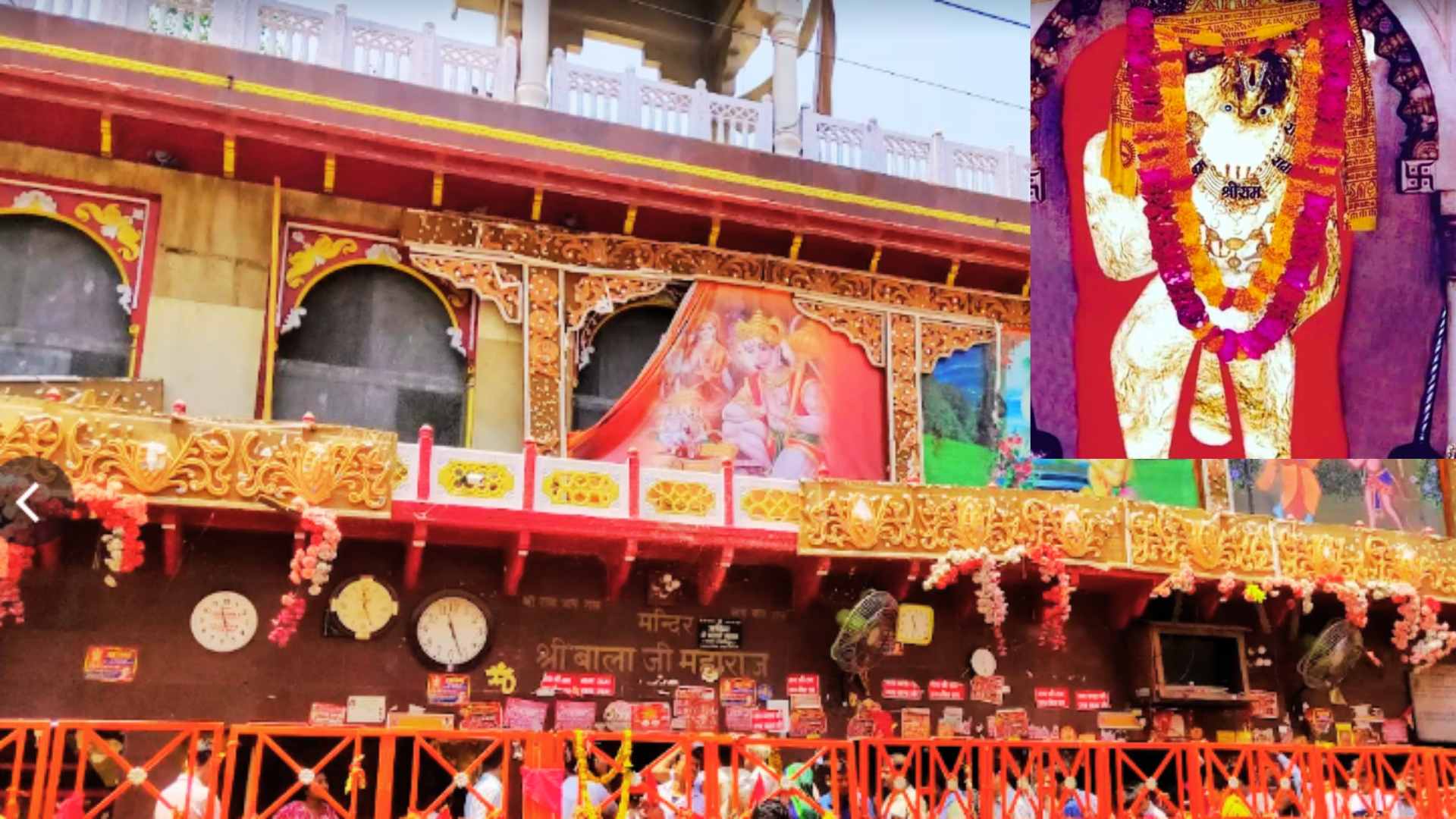
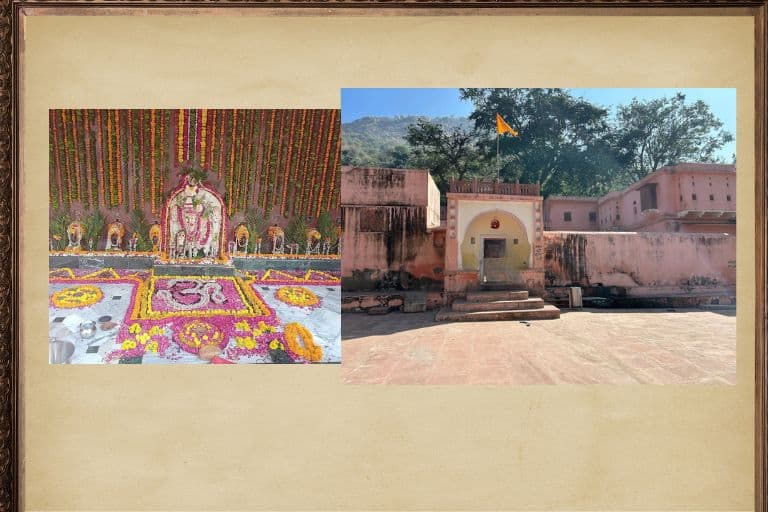
Explore Featured Hanuman Ji Temple

🪬

Hanuman Temples

📍 Rajasthan Dausa District 3 temples documented

Hanuman Ji is worshipped as Sankat Mochan — the reliever of all difficulties. His temples draw devotees seeking protection from evil, relief from afflictions, and the strength to face life’s hardships. Tuesdays and Saturdays are considered especially auspicious for darshan.
References

References & Further Reading

External Resources

Learn more about the life of Goswami Tulsidas and the history of Hanuman devotion from trusted educational and cultural resources.

Leave a Comment

Your email address will not be published. Required fields are marked *

Scroll to Top