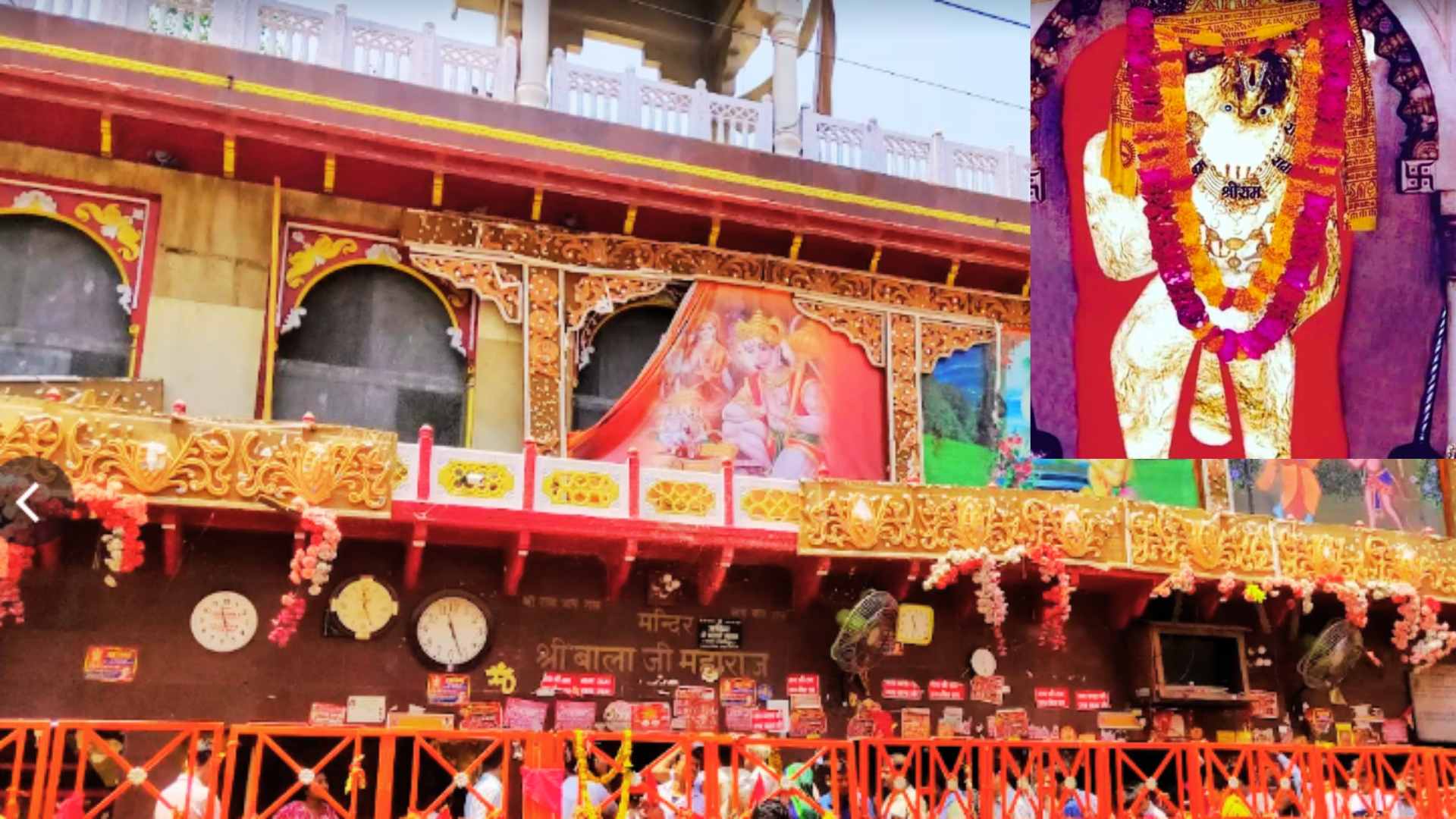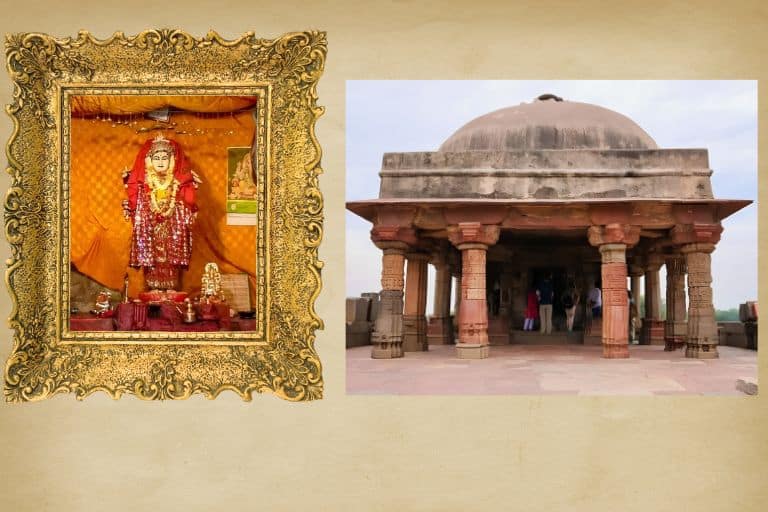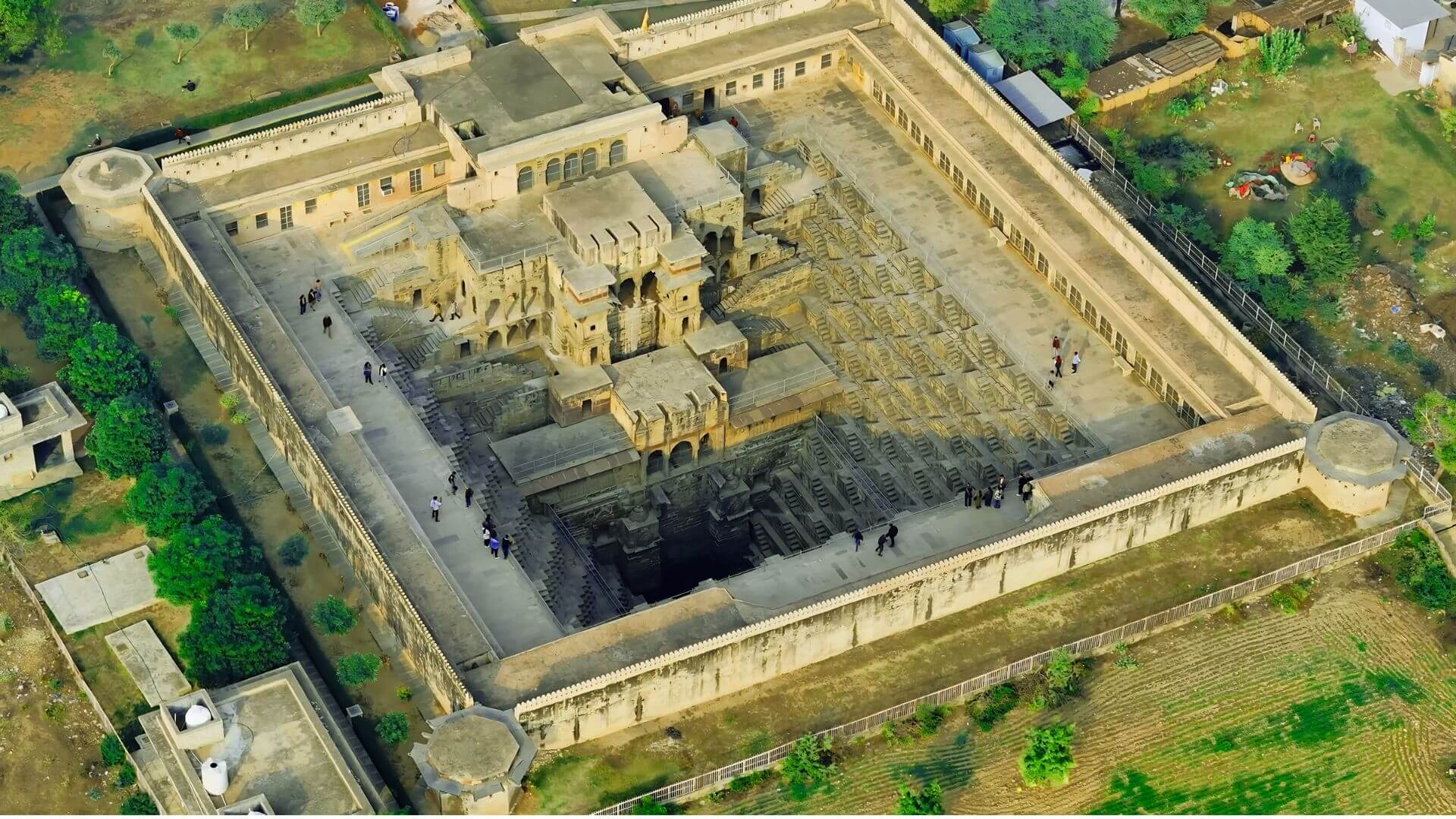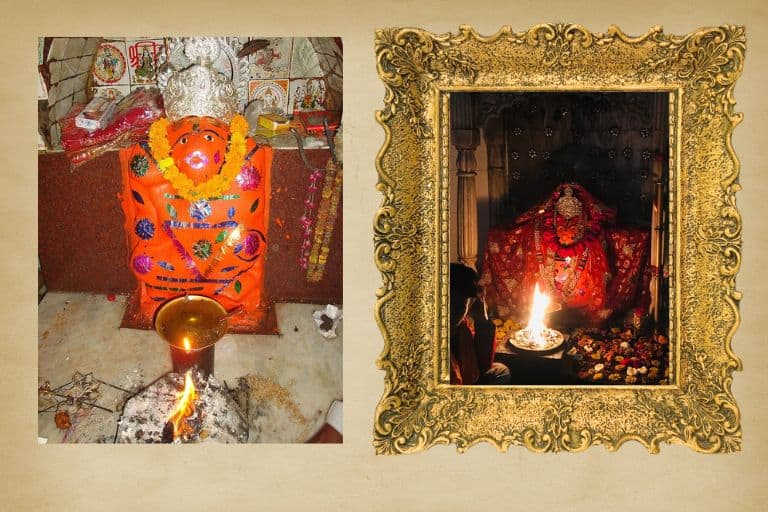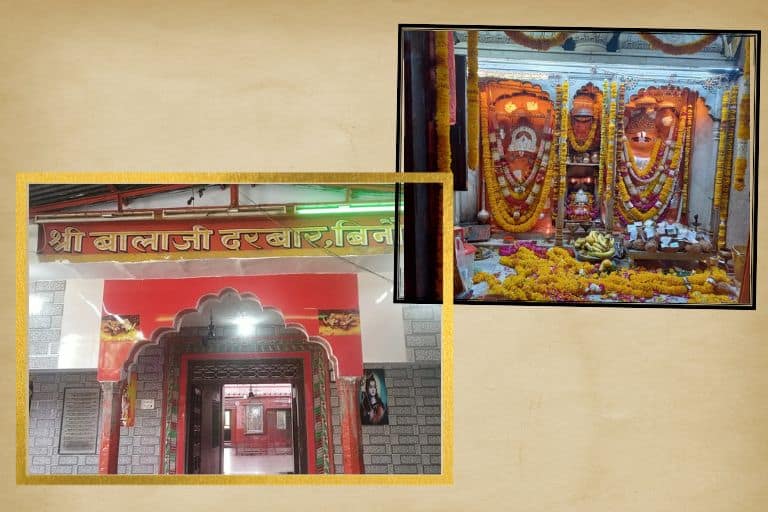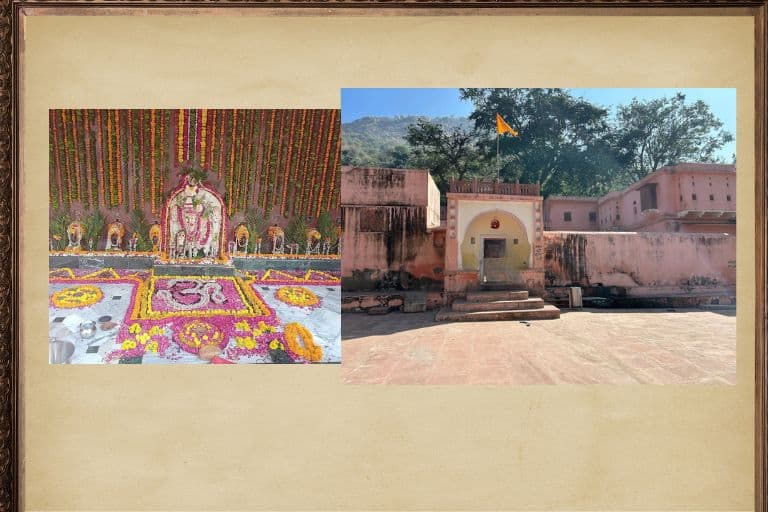
Panch Mahadev Temples Dausa — Complete Guide to Five Sacred Shiva Temples | IndiaMandir
Panch Mahadev Temples, Dausa
Five ancient Shiva temples in five directions — the sacred perimeter that gave Dausa its name and has drawn devotees for nearly two millennia.
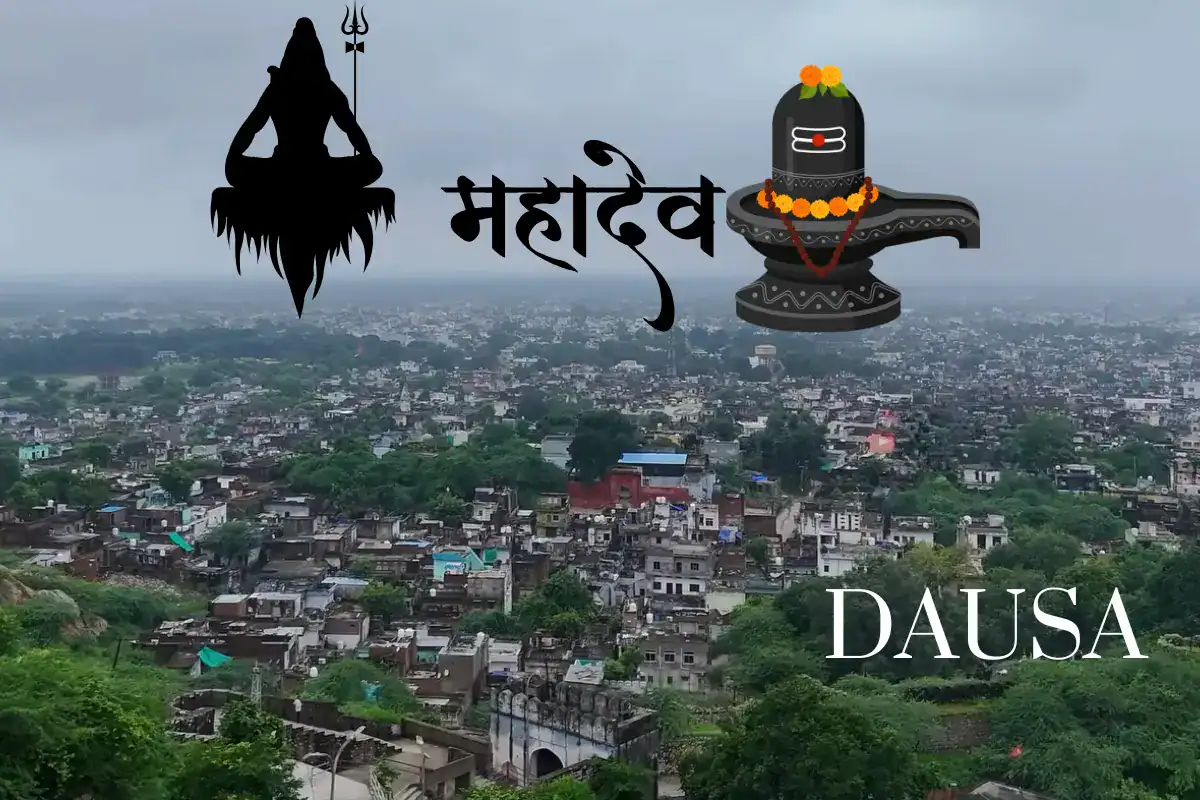
Panch Mahadev Temples Dausa – Temples at Glance
Panch Mahadev at a Glance
Five ancient Shiva temples in five directions — the sacred circuit that gave Dausa its name and has anchored its spiritual identity for nearly two millennia.
| The Five Temples | ||
| 1️⃣ | Temple One | Neelkanth Mahadev Temple — atop Devgiri Hill · 365 steps |
| 2️⃣ | Temple Two | Somnath Mahadev Temple — eastern Dausa city |
| 3️⃣ | Temple Three | Gupteshwar Mahadev Temple — western Dausa · garden, talab & dharamshala |
| 4️⃣ | Temple Four | Baijnath Mahadev Temple — Vaidyanath · Lord of Healers |
| 5️⃣ | Temple Five | Sahajnath Mahadev Temple — the effortless, self-arising form of Shiva |
| Circuit Identity | ||
| 🙏 | Deity | Lord Shiva — five forms, five directions |
| 📅 | Tradition | ~1,900 Years Old |
| 🏷️ | Name Origin | “Dausa” from Sanskrit Dhau Sa — meaning akin to heaven |
| ⭐ | Most Visited | Neelkanth Mahadev — 1.25 lakh devotees in Sawan alone |
| 🌿 | Largest Complex | Gupteshwar Mahadev — garden, talab, dharamshala |
| How to Reach | ||
| 📍 | Location | Dausa City, Rajasthan |
| 🚗 | From Jaipur | ~55–60 km — NH 48 · approx. 1 hour |
| 🚆 | Railway | Dausa Railway Station — Jaipur–Agra line |
| ✈️ | Nearest Airport | Jaipur International Airport — ~60 km |
| Pilgrimage & Visit Info | ||
| 🕐 | Circuit Duration | Half Day to Full Day |
| 🌤️ | Best Season | October to March |
| 🎉 | Key Festivals | Mahashivratri, Sawan Somvar — heavy footfall across all five temples |
| 🏨 | Stay & Rest | Hotels in Dausa City — dharamshala at Gupteshwar complex |
| 💰 | Entry | Free at all five temples |

Before we delve into individual temples, there is something important to know about Dausa’s spiritual geography. The Panch Mahadev – the five ancient Shiva temples that form a sacred circle around the entire city.
That’s why Dausa is called Dev Nagari. Five forms of Lord Shiva, five temples, an uninterrupted tradition of over thousand years.
A full parikrama (pilgrimage circuit) of all five — especially on Mahashivratri — is considered one of the most meritorious acts a Shiva devotee can perform in all of Rajasthan.
The Panch Mahadev Temples of Dausa
Five Shiva Temples · One Sacred Circle
Dausa is home to five ancient Shiva temples collectively revered as the Panch Mahadev — a sacred parikrama circuit that devoted pilgrims complete together, especially on Mahashivratri. Each temple carries its own history, energy, and significance.
Neelkanth Mahadev
👑 King of FiveKing among the five — home to Dausa’s largest Shivling. Climb 365 steps to reach the summit. In monsoon, clouds gather below the temple. An experience unlike any other in Rajasthan.
Explore Full Temple Guide — Neelkanth Mahadev →Bajnath Mahadev
Situated at the foot of Devgiri Hill, Baijnath Mahadev is the natural second stop in the Panch Mahadev parikrama circuit — visited after descending from Neelkanth above.
Sahajnath Mahadev
Home to a rare south-facing (Dakshin Mukhi) Hanuman Ji alongside Ganesh Ji — making this temple unique among the five. A spiritually powerful combination of deities in one sacred space.
Somnath Mahadev
A 10th-century temple carrying the lifelong legacy of a devoted saint. The temple comes alive every Monday with devotees, bhajans, and offerings — a living tradition maintained without interruption for over a thousand years.
Gupteshwar Mahadev
The most complete campus of the five — with a garden, sacred talab, and dharamshala for pilgrims. Carries 1,900 years of continuous history, making it one of the oldest active temples in the entire district.
Neelkanth Mahadev Temple, Dausa
History & Origin
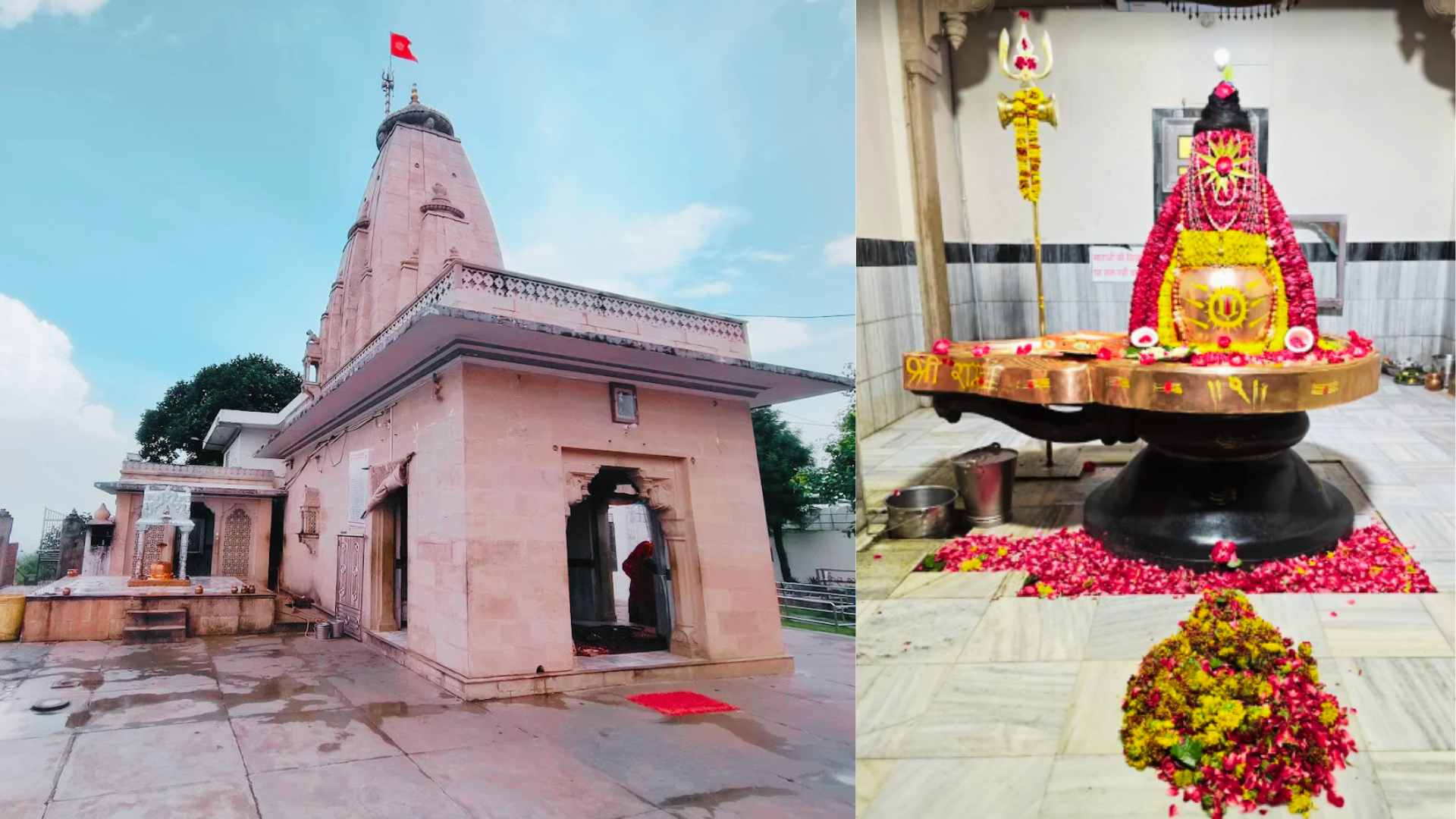
To reach Neelkanth Mahadev, you’ll have to navigate the tiny streets of old Dausa and then climb 365 stone steps (one for each day of the year) to the highest point in the city. This temple was built by the kings of the Kush dynasty in the 9th-11th century CE. It is located in the old walls (kaalon ki deewar) of historic Dausa. It is Nagara style construction without use of any cement or binding material – stone against stone, intact for over a thousand years. This Shivling is unique, only the top can be seen above the temple floor. The rest is buried in the earth below – a local belief reference to the infinite, beginning-less and end-less Jyotirlinga.
Why Famous / Significance
Neelkanth Mahadev delivers far more than darshan:
- Largest Shivling of all five Panch Mahadev temples
- 365-step climb — devotees say the ascent itself is the worship
- Bhootnath Baba in Aghore form — a secondary shrine for serious practitioners
- Sunrise and sunset views over the entire Dausa plain
- Monsoon magic — clouds visibly move below the hilltop; the hillside transforms from pale yellow to vivid green after the first rains
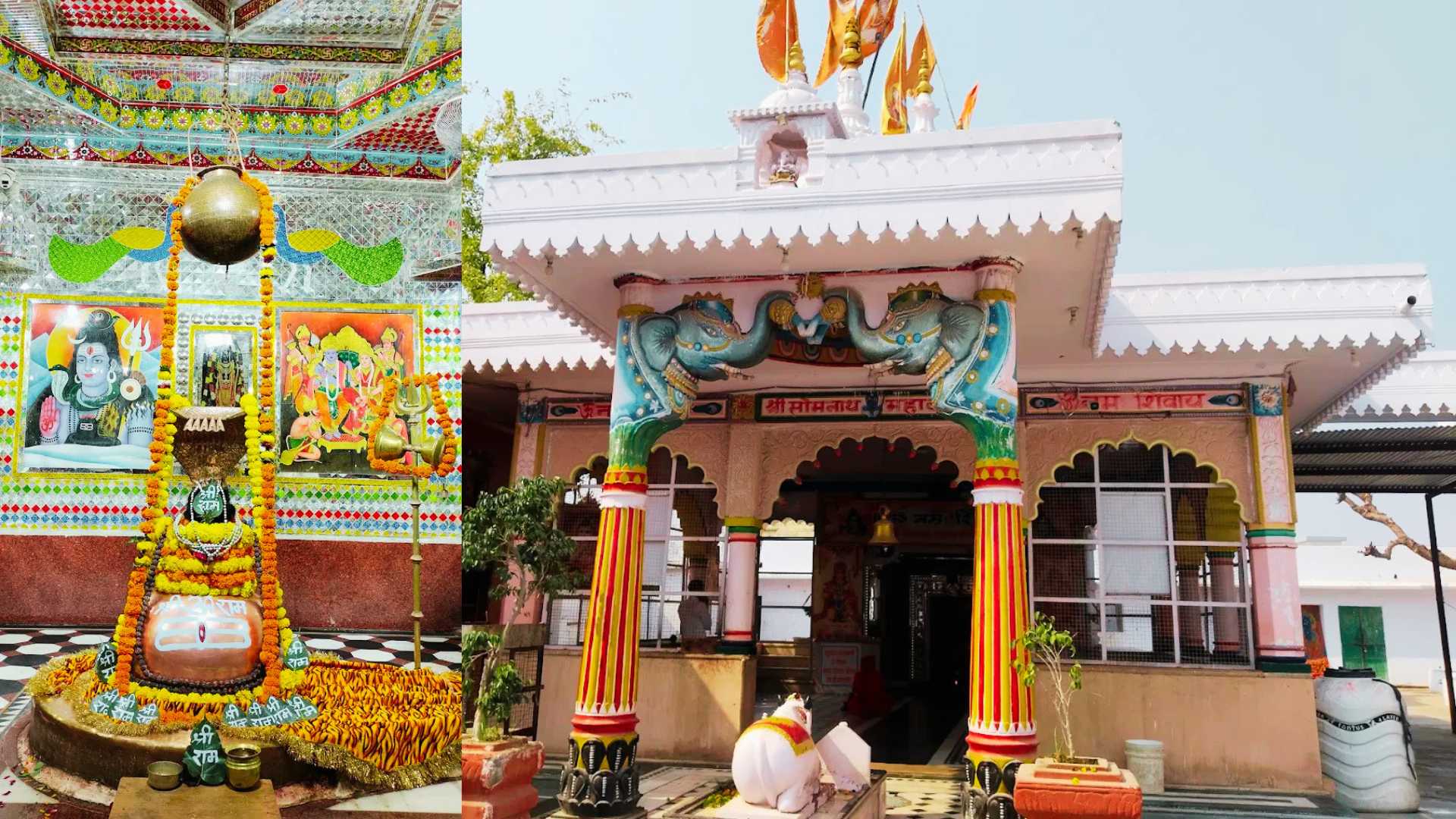
Somnath Mahadev Temple, Dausa
History & Origin
Believed to have been established around the 10th century — when this area was still forested — Somnath Mahadev Temple grew into the life’s work of Saint Hira Nand Ji Maharaj, who served here for nearly 80 to 90 years until his passing in 2001. His disciple continued until 2011; a temple committee manages it today.
Why Famous / Significance
Somnath is beautiful in its ordinariness. On Mondays the lovely courtyard is filled with local worshipers. Special gatherings and distribution of prasad are held on Amavasya and Purnima. No waiting. Admission is free. No fuss. Just ordinary people meeting their god. The way they’ve done it here for a thousand years.
This is the kind of temple where faith feels most real, because it is completely unperformed.
Gupteshwar Mahadev Temple, Dausa
History & Origin
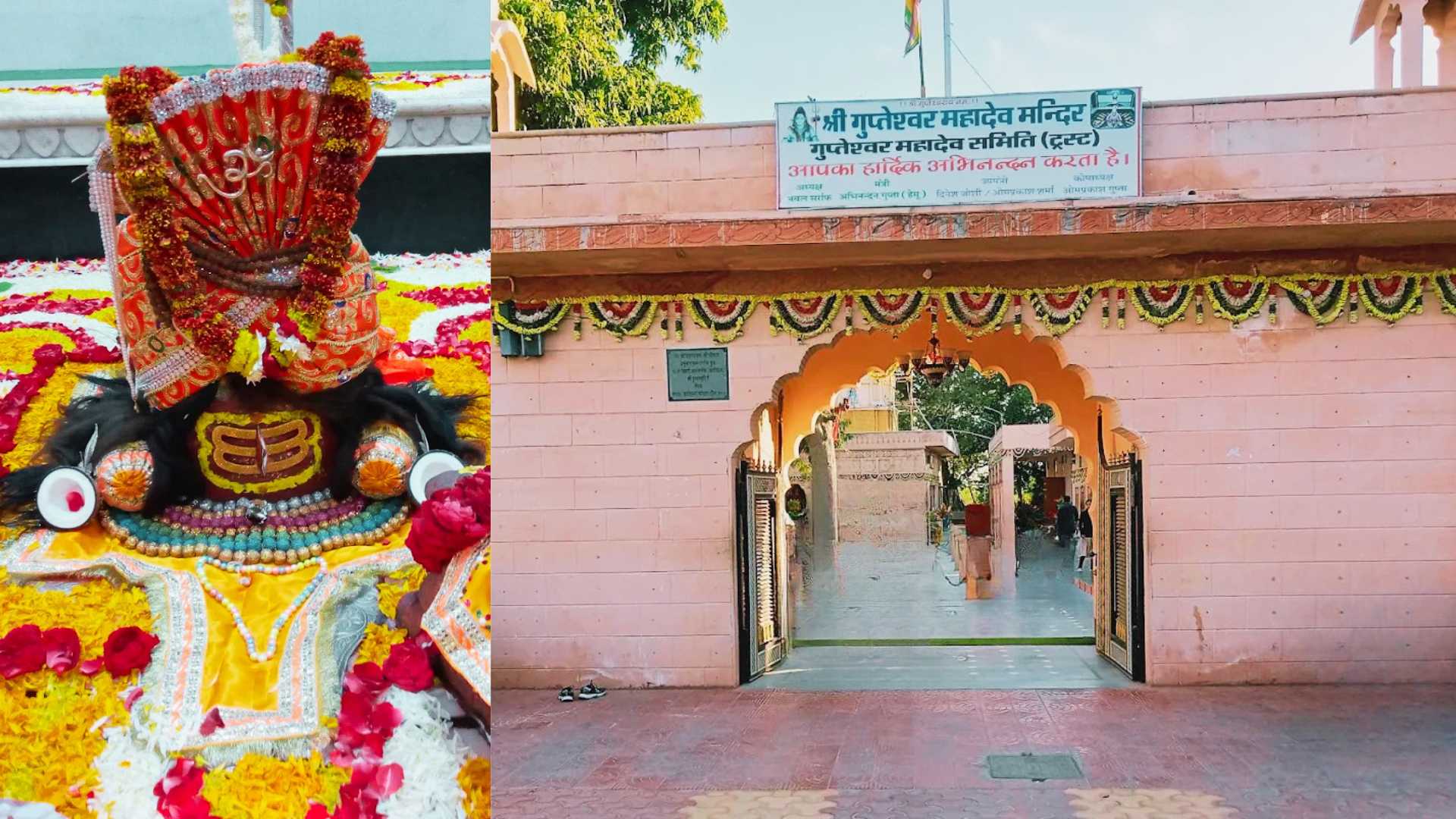
The fifth Panch Mahadev is the most complete spiritual campus in Dausa. The tradition here is 1,900 years old — established by Saint Bhagwan Das Ji Maharaj, with a recorded history that pre-dates most of the district’s other religious sites. “Gupteshwar” — the hidden, secret Shiva — represents the form of god that is always present but never announces itself. The name carries a quiet philosophy that the temple perfectly embodies.
Why Famous / Significance
Gupteshwar is the most unhurried of the five Mahadevs. Within one complex:
- Ancient Shiva shrine (1,900-year-old tradition)
- A beautifully maintained garden
- A talab (natural pond) that reflects the sky and greenery
- A dharamshala for overnight pilgrims
You can spend a half-day here and it still feels too short.
Baijnath Mahadev Temple, Dausa
History and Origin of Baijnath Mahadev Temple Dausa
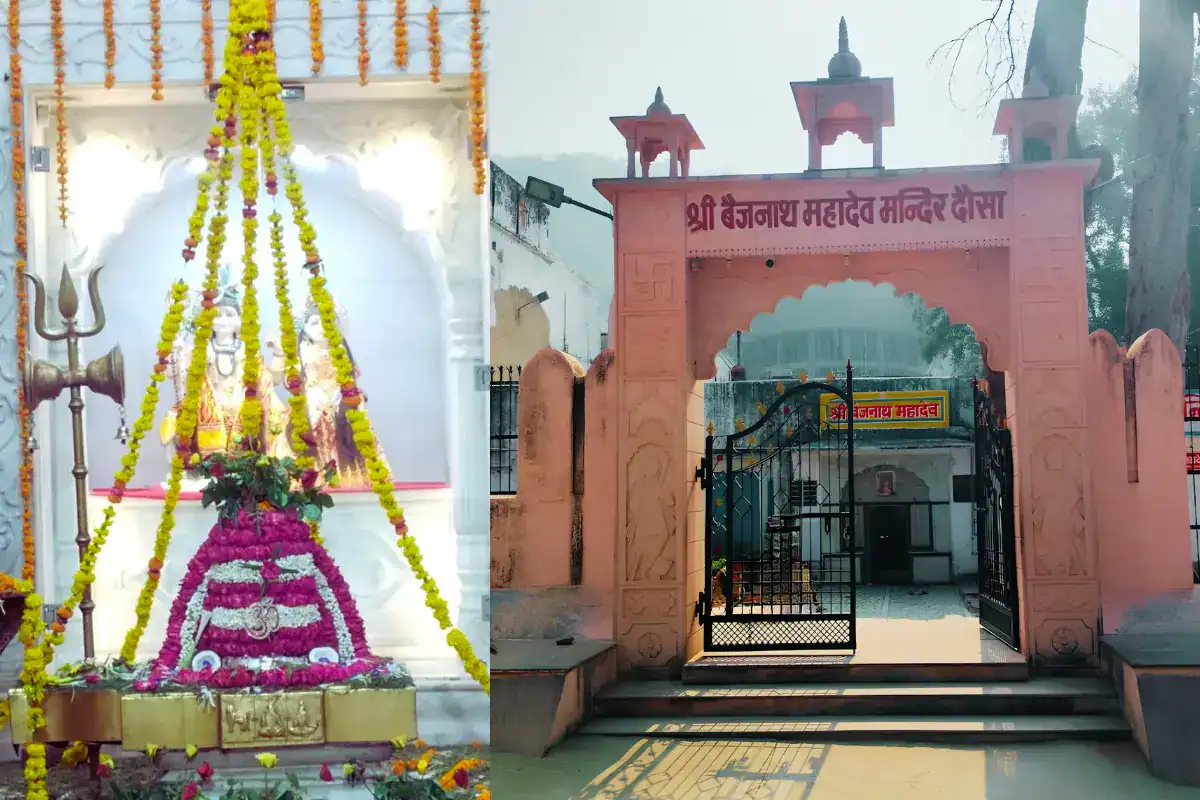
The name says everything. Baijnath — or Vaidyanath — is one of Shiva’s most ancient epithets, meaning the Lord of Physicians, the one who heals. Across India, wherever this name appears, it carries the same understanding: that Shiva is not only the destroyer but also the one who restores. The Baijnath Mahadev of Dausa carries this same identity — one of the five Mahadevs that stood in the five directions around the city, collectively giving Dausa its name from the Sanskrit “Dhau Sa,” meaning “akin to heaven.”
These five temples were not built as a project or plan. They were simply there — ancient, rooted, part of the land — and the city grew around them. Baijnath Mahadev has been a part of that spiritual perimeter for as long as Dausa has existed as a settlement.
Why Baijnath Mahadev Temple Dausa is famous?
People come to Baijnath Mahadev with a very specific kind of prayer. When someone in the family is unwell — physically, mentally, carrying something that medicine hasn’t been able to reach — this is the Mahadev they turn to. The name Vaidyanath carries that meaning directly: the Lord who heals what needs healing.
There’s nothing theatrical about this temple. It’s not a big complex with a talab or a dharamshala. It’s a place you come to, sit with your prayer, and leave feeling heard. That quietness is its own kind of power. And during Mahashivratri and the month of Sawan, that quietness fills up — devotees from across Dausa and nearby towns come to offer their abhishek and carry back whatever peace they find here.
Sahajnath Mahadev Temple, Dausa
History and Origin of Sahajnath Mahadev Temple Dausa
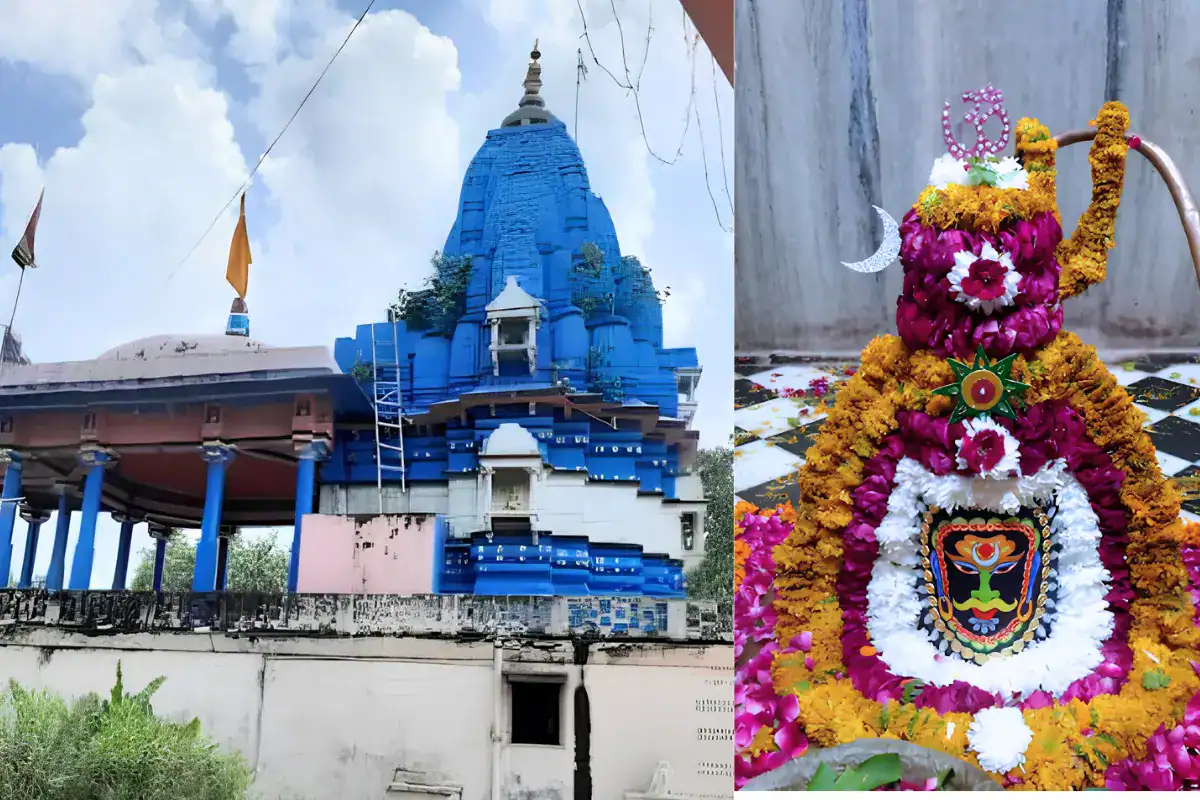
“Sahaj” in Sanskrit means that which arises on its own — effortlessly, naturally, without force. Sahajnath is Shiva in his most undramatic form. No grand cosmic act, no cosmic war. Just presence. The Sahajnath Mahadev of Dausa has stood in the city’s sacred perimeter as one of the Panch Mahadevs — the five Shiva temples in five directions that together gave Dausa its name from the Sanskrit phrase meaning “akin to heaven.”
Like the others in this series, Sahajnath was not established by a historical decree or documented founder. It is one of those temples that locals will tell you has simply always been there — and that, in itself, is the truest expression of its name.
Why Sahajnath Mahadev Temple Dausa is famous?
Sahajnath doesn’t ask anything of you. That’s what makes it different. You don’t need to climb steps like Neelkanth, or travel outside the city like Gupteshwar. Sahajnath sits within Dausa, accessible, quiet, and consistent. People who visit as part of the full Panch Mahadev circuit often say this is where the rush stops — where the pilgrimage becomes less about completing something and more about simply being in front of the Shivalinga.
During Sawan and Mahashivratri, it draws its share of devotees. But honestly, the regulars here are the ones who come on ordinary Mondays — not for a festival, not for a wish — just because this is their Mahadev, their corner of Dausa that keeps them grounded.
How to Reach
Panch Mahadev Temple in Dausa
Panch Mahadev refers to the five sacred Shiva temples of Dausa city, deeply connected with ancient Shaivite traditions and local spiritual heritage. These temples are spread across different parts of Dausa and are visited together by devotees during Mahashivratri, Shravan month, Mondays, and other important Shiva festivals.
Neelkanth Mahadev
Located atop Devgiri Hill within the old city walls of Dausa, Neelkanth Mahadev is considered the king among the Panch Mahadev temples and houses the largest Shivling among all five temples.
Open Google MapSomnath Mahadev
Situated on Agra Road in northern Dausa city, Somnath Mahadev is a major Shiva temple known for large devotional gatherings during Mondays, Amavasya, and Purnima.
Open Google MapGupteshwar Mahadev
Located in western Dausa city, Gupteshwar Mahadev is believed to be around 1,900 years old and represents the hidden and mystical form of Lord Shiva.
Open Google MapBaijnath Mahadev
Baijnath Mahadev Temple is another important Shiva shrine of Panch Mahadev and is visited by devotees seeking blessings for health, peace, and spiritual strength.
Open Google MapSahajnath Mahadev
Sahajnath Mahadev Temple completes the sacred Panch Mahadev circuit of Dausa and holds strong spiritual importance among local Shiva devotees.
Open Google Map📍 Travel Tip: Most Panch Mahadev temples are located within or around Dausa city and can comfortably be covered in a single spiritual trip. Early morning and evening hours are considered ideal for peaceful darshan and temple visits.
Frequently Asked Questions (FAQs)
Frequently Asked Questions
Find answers related to Panch Mahadev Temple Dausa, Neelkanth Mahadev, darshan timings, Shiva parikrama, and the spiritual significance of the five Mahadev temples.
The Panch Mahadev are five ancient Shiva temples spread across Dausa city in Rajasthan: Neelkanth Mahadev (atop Devgiri Hill), Bajnath Mahadev (at the base of Devgiri Hill), Sahajnath Mahadev (behind Bajnath), Somnath Mahadev (on Agra Road), and Gupteshwar Mahadev (in western Dausa). Together they form a sacred parikrama circuit and are the reason Dausa is called Dev Nagari.
Dausa is called Dev Nagari — City of Gods — because of the five ancient Shiva temples known as the Panch Mahadev that encircle the city. These five temples, representing five forms of Lord Shiva, have been in continuous worship for over a thousand years, giving Dausa its deep spiritual identity.
Neelkanth Mahadev, situated at the top of Devgiri Hill, is considered the king (Raja Baba) among the five Panch Mahadev temples. It houses the largest Shivling of all five, is reached by climbing 365 stone steps, and was built by kings of the Kush dynasty in the 9th–11th century CE in the Nagara style of architecture.
Neelkanth Mahadev Temple on Devgiri Hill is open from 5:30 AM to 12:00 PM and again from 4:00 PM to 9:00 PM daily. Morning and evening sessions are both highly recommended — mornings for sunrise views over the Dausa plain, and evenings for sunset darshan.
There are 365 stone steps to climb to reach Neelkanth Mahadev Temple at the top of Devgiri Hill — one step for every day of the year. Devotees consider the climb itself an act of worship.
Sahajnath Mahadev is unique among the five because it houses a rare south-facing (Dakshin Mukhi) Hanuman Ji alongside Ganesh Ji, in addition to the Shiva shrine. This combination of three powerful deities in one sacred space makes it spiritually distinctive among all five Panch Mahadev temples.
Mahashivratri is the most auspicious time to visit — thousands of devotees complete the full parikrama circuit of all five temples on this day, often on foot. Mondays during Shravan month (July–August) are also ideal, especially for Somnath Mahadev where large devotional gatherings are held. Early morning is recommended for Neelkanth Mahadev to experience sunrise from the hilltop.
Gupteshwar Mahadev Temple has approximately 1,900 years of continuous history, established by Saint Bhagwan Das Ji Maharaj. It is one of the oldest continuously active temples in the entire Dausa district, predating most other religious sites in the region.
Yes. Since all five Panch Mahadev temples are located within or very close to Dausa city, the complete parikrama can comfortably be covered in a single day. Most dedicated pilgrims complete the full circuit on foot, starting at Neelkanth Mahadev on Devgiri Hill and visiting each temple in sequence.
No. All five Panch Mahadev temples in Dausa are free to enter. There are no entry tickets, no queue charges, and no donation requirements. The temples are community-managed with simple, traditional darshan open to all.
Dausa is approximately 60 km from Jaipur. The Panch Mahadev temples are spread across Dausa city itself, making them easily accessible as a day trip from Jaipur. The drive takes around 60–75 minutes via NH48 (Delhi–Mumbai Expressway) or NH21.
The Shivling at Neelkanth Mahadev is unlike a typical temple Shivling — only the top portion is visible above the temple floor; the rest descends into the earth. Local belief holds that this represents the infinite Jyotirlinga with no beginning and no end. It is also the largest Shivling among all five Panch Mahadev temples.
Explore Nearby Temples
Discover famous temples and spiritual destinations near Panch Mahadev Temple, Dausa