
Temples in Sawai Madhopur District, Rajasthan – Complete Temple Guide
Explore the most famous temples in Sawai Madhopur, including Trinetra Ganesh Temple in Ranthambore Fort, Chauth Mata Temple, Ghushmeshwar Mahadev Temple, and other sacred religious places across the district.
Temples in Sawai Madhopur (सवाई माधोपुर के मंदिर) count among the most famous religious places in Rajasthan, led by the Trinetra Ganesh Temple (त्रिनेत्र गणेश मंदिर) inside Ranthambore Fort, the hilltop Chauth Mata Temple (चौथ माता मंदिर) at Chauth Ka Barwara, and the Ghushmeshwar Mahadev Temple (घुश्मेश्वर महादेव मंदिर) at Shivad, with many other sacred temples spread across the district.
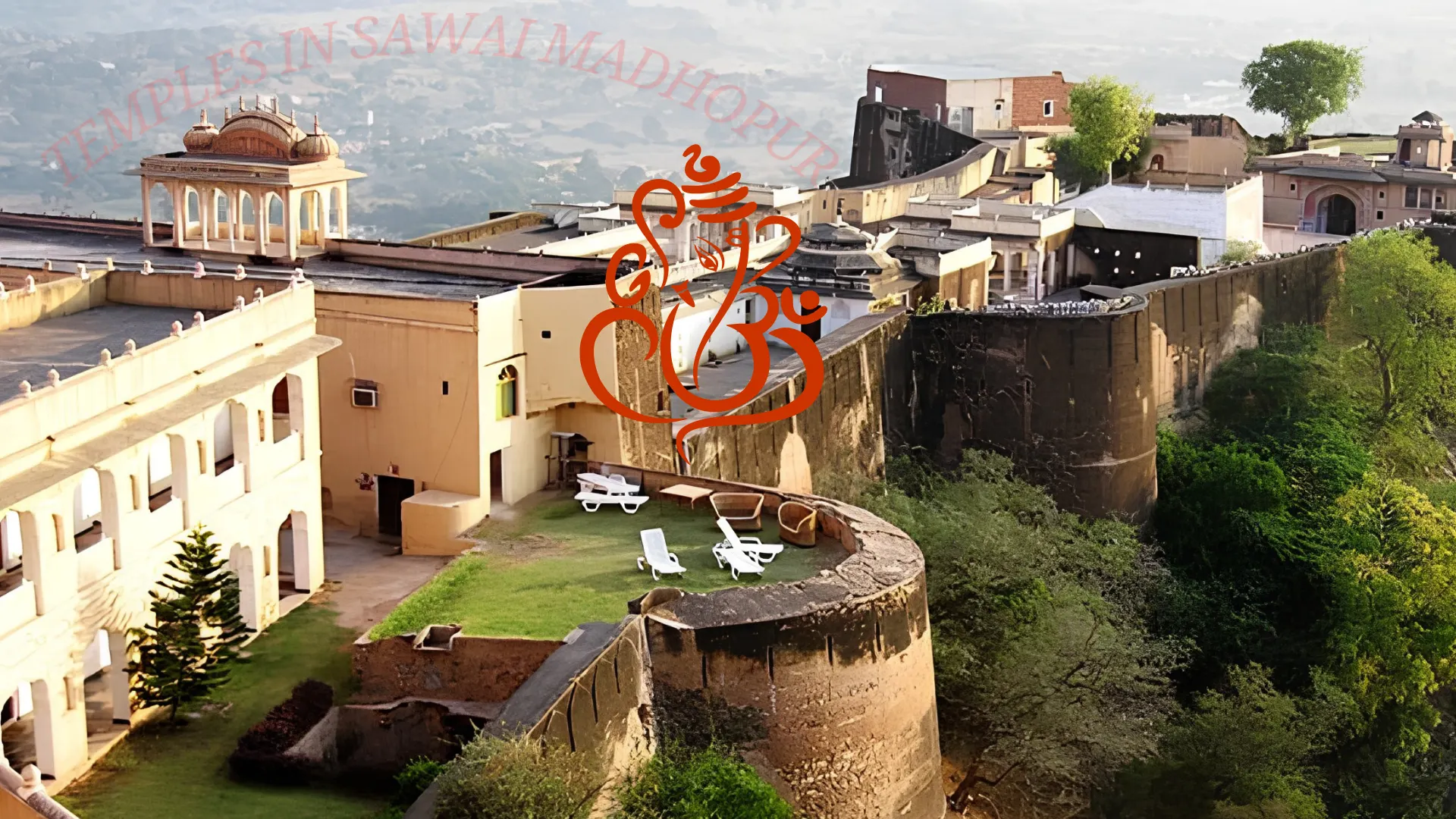
Temples in Sawai Madhopur District
Navigate to any section — top temples, festivals, timings, or travel tips — all in one comprehensive guide.
About Temples in Sawai Madhopur
Sawai Madhopur — District at a Glance
Famous Temples in Sawai Madhopur
Featured Temples in Sawai Madhopur
Best Time to Visit
Festival & Mela Calendar
How to Reach & Explore
Accessibility & Practical Tips
Pilgrimage Essentials
Suggested Itinerary
Temples in Nearby Districts
Famous Places to Visit
FAQs
About Temples in Sawai Madhopur
Top Temples in Sawai Madhopur at a Glance
The seven most visited and most significant temples across Sawai Madhopur district — spanning Ganesh, Devi, Shiva, Bhairav, and Jain traditions.
| Most Visited & Most Significant Temples | ||
| 🐘 |
Trinetra Ganesh Temple Ganesh · Most Visited |
Inside Ranthambore Fort, ~13 km from Sawai Madhopur city. Revered as Pratham Ganesh; temple tradition links it to King Hammir Dev Chauhan around 1300 CE. Devotees from across India send wedding invitations and letters addressed to Lord Ganesha (भगवान गणेश) here. |
| 🌸 |
Chauth Mata Temple Devi · Hilltop Temple |
Chauth Ka Barwara town, ~35 km from Sawai Madhopur city. Kuldevi of the Bundi royal family, established by Bhim Singh Chauhan in Vikram Samvat 1451, per Devasthan Department records. Reached by a long stair climb through the Toran Dwar; major crowds on Karwa Chauth. |
| 🔱 |
Ghushmeshwar Mahadev Temple Shiva · Jyotirlinga Tradition |
Shivad town, Devgiri hills, ~48 km from Sawai Madhopur city. Temple tradition, drawing on the Shiv Purana’s Kotirudra Samhita, reveres this as the twelfth Jyotirlinga of Lord Shiva (भगवान शिव); large gatherings during Sawan and Mahashivratri. |
| ⚔️ |
Kala Gora Bhairav Temple Bhairav · City Temple |
Hilltop in Sawai Madhopur city. Dedicated to the Bhairav brothers, Kala Bhairav and Gora Bhairav; unusually, the principal deity is installed at the entrance rather than the inner sanctum. |
| ⛰️ |
Amreshwar Mahadev Temple Shiva · Hill Temple |
Between the hills on the Sawai Madhopur–Ranthambore road. Known for its 11 ft high Shivling and representations of the 12 Jyotirlingas; a popular darshan stop for pilgrims heading toward Ranthambore, especially in Sawan. |
| 🛕 |
Chamatkar Temple Jain · City Temple |
On the main road near Sawai Madhopur Railway Station. A Jain temple dedicated to Bhagwan Adinath, held by temple tradition to be over four centuries old; devotees believe wishes made here are fulfilled. |
| 🌊 |
Rameshwaram Ghat Sangam · Pilgrimage Ghat |
Khandar tehsil, ~50 km from Sawai Madhopur city. A sacred bathing ghat at the confluence of the Chambal and Banas rivers; devotees gather here in large numbers on Kartik Purnima. |
Sawai Madhopur – District at a Glance
| District Identity | ||
| 🏷️ | District Name | Sawai Madhopur District |
| 🏛️ | Headquarters | Sawai Madhopur City |
| 📐 | Area | 4,498 sq km |
| Temple Statistics | ||
| 🛕 | Total Temples | 150+ — across towns, villages, fort complexes, and forest areas |
| ✅ | Documented on IndiaMandir | Active |
| ⭐ | Top Temple | Trinetra Ganesh Temple — highest pilgrimage footfall, inside Ranthambore Fort |
| 🔱 | Notable Temples | Chauth Mata Temple, Ghushmeshwar Mahadev Temple, Kala Gora Bhairav Temple, Amreshwar Mahadev Temple |
| How to Reach | ||
| 🚆 | Railway | Sawai Madhopur Junction — major stop on the Delhi–Mumbai line · the most convenient way to reach the district |
| 🚗 | From Jaipur | ~160 km — via Tonk · approx. 3 hours by road, around 2 hours by train |
| 🚗 | From Delhi | ~380 km — approx. 4–5 hours by direct train from Delhi |
| 🚗 | From Nearby Districts | Karauli ~109 km · Dausa ~120 km · Bharatpur ~240 km |
| ✈️ | Nearest Airport | Jaipur International Airport — ~156 km |
| 🛣️ | Road Access | Via Tonk, Dausa & Kota routes |
| Best Time to Visit & Climate | ||
| 🌤️ | Best Season | October to March |
| 🌡️ | Summer (Apr–Jun) | 35°C – 45°C — very hot, early morning darshan recommended, especially for the fort climb |
| 🌧️ | Monsoon (Jul–Sep) | Moderate rainfall — Ranthambore’s core safari zones remain closed; the fort and Trinetra Ganesh Temple stay open, with the Ganesh Chaturthi mela falling in this season |
| ❄️ | Winter (Oct–Mar) | 8°C – 25°C — ideal for temple visits, hill climbs, and combining darshan with a safari |
| Nearby Places | ||
| 📍 | Ranthambore | Trinetra Ganesh Temple · Ranthambore Fort · Ranthambore National Park — ~13 km from Sawai Madhopur city |
| 📍 | Chauth Ka Barwara | Shri Chauth Mata Temple — ~24 km from Sawai Madhopur · has its own railway station |
| 📍 | Shivad | Ghushmeshwar Mahadev Temple · Devgiri hills — ~48 km from Sawai Madhopur · nearest station Isarda |
| 📍 | Khandar | Khandar Fort · Rameshwaram Dham (Chambal–Banas sangam) — Rameshwaram Dham ~60 km from Sawai Madhopur |
| Visitor Information | ||
| 🏨 | Accommodation | Available in Sawai Madhopur city and along the Ranthambore road — budget hotels to wildlife resorts |
| 🎉 | Key Festival | Ganesh Chaturthi Mela, Trinetra Ganesh Temple — Bhadrapada · one of Rajasthan’s largest Ganesh fairs, drawing lakhs of devotees |
| 🗣️ | Local Language | Hindi, with Dhundhari, Kathedi, and Dang dialects |
Famous Temples in Sawai Madhopur
Trinetra Ganesh Temple, Ranthambore, Sawai Madhopur
Set inside the historic Ranthambore Fort, Trinetra Ganesh Temple is revered as Pratham Ganesh, where Lord Ganesha (भगवान गणेश) is worshipped with his entire family and devotees from across India send wedding invitations addressed to the deity. Linked by temple tradition to King Hammir Dev Chauhan, it stands among the most famous temples in Sawai Madhopur, drawing lakhs of devotees during the Ganesh Chaturthi mela.
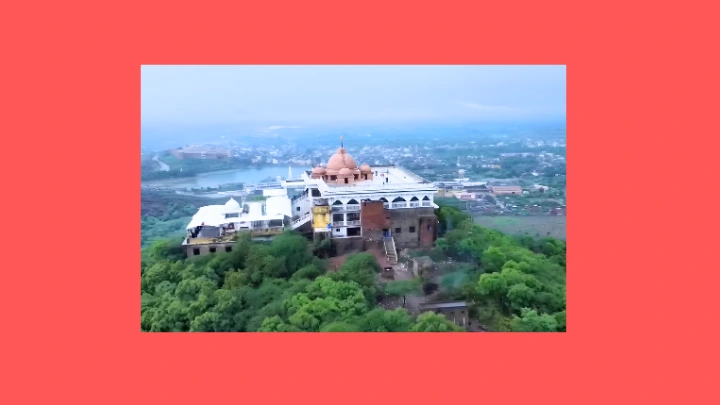
Shri Chauth Mata Temple, Chauth Ka Barwara, Sawai Madhopur
Perched on a hilltop in Chauth Ka Barwara, about 24 km from Sawai Madhopur, Shri Chauth Mata Temple (चौथ माता मंदिर) is revered as the Kuldevi of the Bundi royal family and one of the most sacred Devi temples in Rajasthan. Devotees climb a long flight of steps through the Toran Dwar for darshan, with the temple drawing its largest crowds on Karwa Chauth and during the annual Magha mela.
Ghushmeshwar Mahadev Temple, Shivad, Sawai Madhopur
Nestled in the Devgiri hills at Shivad, about 48 km from Sawai Madhopur, Ghushmeshwar Mahadev Temple is revered by temple tradition as the twelfth Jyotirlinga of Lord Shiva (भगवान शिव), drawing on the Shiv Purana’s Kotirudra Samhita and the devotional story of Ghushma. Devotees gather here in large numbers through the Sawan month and on Mahashivratri, making it one of the most significant Shiva temples in Sawai Madhopur district.
Kala Gora Bhairav Temple, Sawai Madhopur City
Standing on a hilltop in the heart of Sawai Madhopur city, Kala Gora Bhairav Temple (काला गोरा भैरव मंदिर) is dedicated to the Bhairav brothers, Kala Bhairav and Gora Bhairav, with the rare feature of the principal deity installed at the temple entrance. Devotees have carried forward the belief that wishes made here are fulfilled, giving this temple a firm place among the famous religious places in Sawai Madhopur.
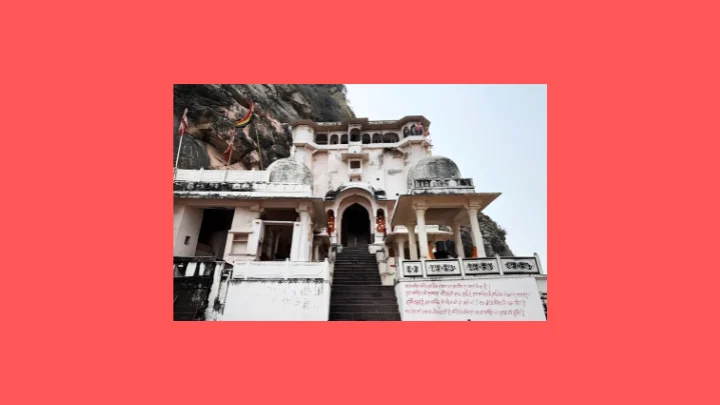
Featured Temples in Sawai Madhopur
Amreshwar Mahadev Temple
Amreshwar Mahadev Temple (अमरेश्वर महादेव मंदिर) sits amid the hills on the road between Sawai Madhopur and Ranthambore, known for its 11 ft high Shivling and representations of the 12 Jyotirlingas. Its serene forested setting makes it a beloved darshan stop among the Religious Places in Sawai Madhopur, especially through the Sawan month.
Complete Guide Amreshwar Mahadev Temple
Chamatkar Temple, Sawai Madhopur
Chamatkar Temple is a revered Jain temple dedicated to Bhagwan Adinath, held by temple tradition to be over four centuries old and named for the miracles devotees associate with it. Located near Sawai Madhopur Railway Station, it draws Jain pilgrims and devotees year-round, earning a cherished place among the Famous Temples in Sawai Madhopur.
Complete Guide Chamatkar Temple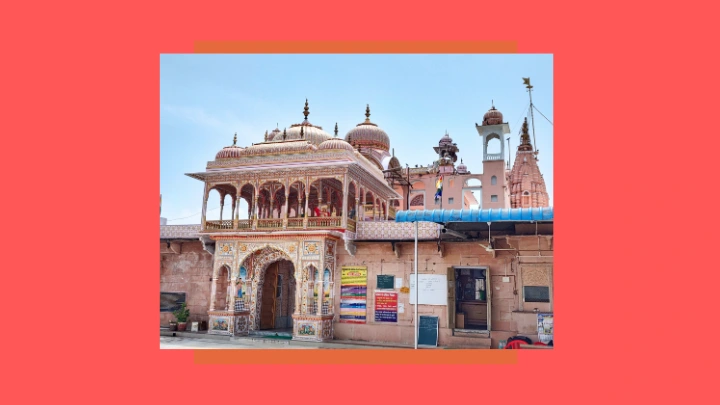
Rameshwaram Dham, Khandar
Rameshwaram Dham (रामेश्वर त्रिवेणी संगम) lies at the sacred confluence of the Chambal and Banas rivers in Khandar tehsil, where devotees gather for holy bathing and darshan, most of all on Kartik Purnima. Its riverside setting and deep devotional importance make it one of the most distinctive Religious Places in Sawai Madhopur district.
Complete Guide Rameshwaram Dham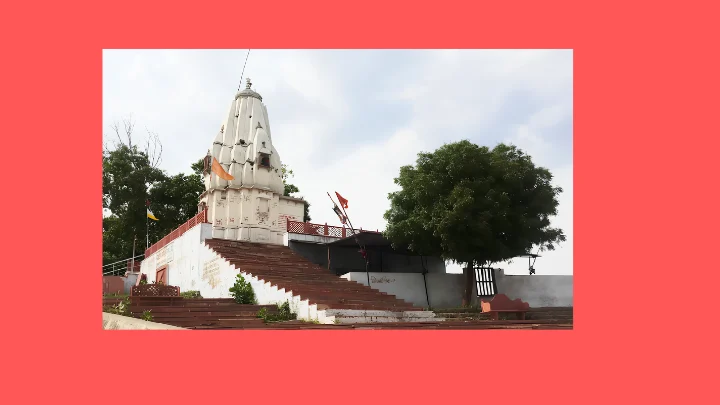
Best Time to Visit Temples in Sawai Madhopur
Best Time to Visit Temples in Sawai Madhopur
The temples of Sawai Madhopur stay open year-round, and unlike the safari zones of Ranthambore National Park, which remain closed through the rains, darshan at Trinetra Ganesh Temple and the district’s other temples continues in every season. October to March is the most comfortable window, though some of the district’s biggest melas fall outside it.
Cool, clear weather across the district. Best window for the Ranthambore Fort climb, the Chauth Mata stair ascent, and combining darshan with a safari — this is also when Karwa Chauth and the Chauth Mata Mela fall.
Temperatures climb to 35–45°C. The stair climbs to Trinetra Ganesh and Chauth Mata become demanding after mid-morning — plan darshan for early morning only if visiting in these months, and carry ample water.
The safari zones close for the rains, but this is when Sawan fills Amreshwar Mahadev’s waterfall and the Ganesh Chaturthi mela brings lakhs of devotees to Trinetra Ganesh — the district’s most devotional months, with green hills all around.
Festival & Mela Calendar of Temples in Sawai Madhopur
Temple Festivals & Mela Calendar — Sawai Madhopur
| Festival | Temple / Location | Experience |
|---|---|---|
|
Ganesh Chaturthi Mela
Bhadrapada Shukla Chaturthi
|
Trinetra Ganesh Temple | Lakhs of devotees climb to the fort temple; a grand mela spreads across all of Sawai Madhopur |
|
Monthly Chauth & Wednesdays
|
Trinetra Ganesh Temple | The Chauth of every month and Wednesdays draw regular crowds; the busiest darshan days outside festival season |
|
Karwa Chauth
Kartik Krishna Chaturthi
|
Shri Chauth Mata Temple | The temple is adorned like a bride; lakhs of devotees, most of them women observing the vrat |
|
Chauth Mata Mela
Magha · January – February
|
Shri Chauth Mata Temple | An annual fair running around a fortnight; devotees from Rajasthan and neighbouring states climb the hill |
|
Sawan Month
July – August
|
Amreshwar Mahadev · Ghushmeshwar Mahadev | A month-long mela at Amreshwar beside its flowing waterfall; the most devotional stretch of the year for Shiva temples |
|
Mahashivratri
Phalguna
|
Ghushmeshwar Mahadev · Rameshwaram Dham | Grand celebrations at the Jyotirlinga-tradition shrine of Shivad; a large mela also gathers at the Triveni Sangam |
|
Kartik Purnima Snan
Kartik Purnima
|
Rameshwaram Dham, Khandar | Holy bathing at the Chambal–Banas–Seep sangam; a vast mela local tradition calls the Kumbh of the Meena community |
|
Navratri
Chaitra & Ashwin
|
Shri Chauth Mata Temple | Nine days of Devi worship on the hilltop; steady streams of devotees through both Navratris |
Festival Visits Require Advance Planning
Major events like the Ganesh Chaturthi Mela at Trinetra Ganesh and Karwa Chauth at Chauth Mata Temple bring lakhs of pilgrims onto a single fort road or a single stair path. For a quieter but equally meaningful darshan, arrive one or two days before the peak date — and remember that temple darshan continues even in the months when Ranthambore’s safari zones stay closed.
How to Reach and Explore Temples in Sawai Madhopur
How to Reach the Temples in Sawai Madhopur District, Rajasthan
Sawai Madhopur is one of the easiest temple districts in Rajasthan to reach, thanks to Sawai Madhopur Junction on the Delhi–Mumbai rail line, where nearly all major trains stop, and the Delhi–Mumbai Expressway passing close to the city. Reaching the temples is a second step — Trinetra Ganesh sits inside Ranthambore Fort, while Chauth Mata, Ghushmeshwar Mahadev, and Rameshwaram Dham lie in different directions across the district.
By Train
The Easiest Way InSawai Madhopur Junction lies on the main Delhi–Mumbai trunk line, so direct trains arrive from most major cities across India.
- From Jaipur: ~2 hours by train
- From Delhi: ~4 to 5 hours by direct train
- For Chauth Mata Temple: Chauth Ka Barwara has its own station; for Ghushmeshwar: Isarda station, ~3 km from Shivad
By Road
Expressway & State RoutesThe Delhi–Mumbai Expressway passes close to Sawai Madhopur, making the drive from Delhi and the NCR far quicker than before. From Jaipur, the route runs via Tonk.
- From Jaipur: ~160 km · around 3 hours
- From Delhi: ~380 km · via Delhi–Mumbai Expressway
- From Kota side: good state-highway connectivity
By Air
Nearest AirportJaipur International Airport is the nearest airport. Taxis are available from the airport directly to Sawai Madhopur, or you can continue by train from Jaipur.
By Bus
State & Local TransportRSRTC buses connect Sawai Madhopur with Jaipur, Kota, Tonk, and nearby district towns through the day.
- Jaipur Sindhi Camp Bus Stand → Sawai Madhopur
- Local buses/shared taxis on to Chauth Ka Barwara and Khandar
- For Shivad: bus service is limited — a private vehicle or train to Isarda is more reliable
| From | Distance | Travel Time |
|---|---|---|
Jaipur |
~160 km | ~3 hours · ~2 by train |
Delhi |
~380 km | 4 – 5 hours by train |
Jaipur Airport |
~156 km | ~3 hours |
Karauli |
~109 km | 2.5 – 3 hours |
Dausa |
~120 km | ~3 hours |
No Safari Permit Needed for Trinetra Ganesh Darshan
Ranthambore Fort and Trinetra Ganesh Temple can be visited without booking a safari — you can drive up to the fort base via the Sherpur checkpoint and climb from there. Amreshwar Mahadev Temple falls on the same Ranthambore road, so pilgrims often combine both in a single morning, with an early start recommended for the fort climb.
Accessibility and Practical Tips for Visitors – Visiting Temples in Sawai Madhopur
Accessibility & Practical Tips
Practical information to help you plan your visit to the temples in Sawai Madhopur district comfortably and safely.
Accessibility & Practical Tips to Visit Temples in Sawai Madhopur
Sawai Madhopur, Rajasthan
-
Trinetra Ganesh Involves a Fort Climb
The temple sits inside Ranthambore Fort, reached through the Sherpur checkpoint and then a climb of around 250 steps through the fort gates. No safari booking is needed for darshan, but comfortable footwear, water, and an early start make the climb far easier, especially in warmer months.
-
Watch Your Belongings on the Fort Path
Monkeys are common along the Ranthambore Fort climb and around the temple premises. Keep prasad, food packets, and loose items secured inside a bag, and avoid feeding or provoking them on the way up.
-
Chauth Mata Temple Is a Long Stair Ascent
The hilltop temple at Chauth Ka Barwara is reached by a long flight of steps through the Toran Dwar, and the climb takes time at a devotional pace. It suits reasonably fit visitors; elderly pilgrims should climb slowly with rest stops, and avoid midday heat entirely.
-
Ghushmeshwar Mahadev Needs Transport Planning
Shivad has limited bus connectivity, so a private vehicle or a train to Isarda station (about 3 km away) is the practical way to reach Ghushmeshwar Mahadev. If travelling by train, plan your return connection in advance rather than relying on local buses.
-
City Temples Are the Easiest Stops
Chamatkar Temple sits near Sawai Madhopur Railway Station with minimal walking required, making it practical for senior citizens or anyone between train connections. Kala Gora Bhairav Temple is also within the city, though its hilltop setting involves some climbing.
-
Take Care at Rameshwaram Dham’s Ghats
The sangam of the Chambal and Banas draws devotees for holy bathing, but river currents and depths change with the season. Bathe only at the recognised ghat areas, keep children within reach, and follow any local guidance during mela days when the ghats are crowded.
-
Network Can Be Patchy Beyond the City
Mobile coverage is generally reliable in Sawai Madhopur city, but can turn weak or inconsistent inside the fort area, on the Shivad route, and near the river at Khandar. Share your plan with family beforehand and avoid depending solely on live navigation in these stretches.
-
Wheelchair Access Varies by Temple
Dedicated ramps are not consistently available across the district, and the most revered temples here involve fort steps or hill stairs. City temples offer comparatively easier access, so it is worth asking locally or calling ahead if travelling with a wheelchair user.
-
Facilities Are Basic at Remote Sites
Drinking water and small stalls are available near the busier temples, but facilities may vary or be limited at Shivad, Khandar, and along the fort climb. Carrying your own water bottle is a sensible habit across all of Sawai Madhopur’s religious places.
-
Parking and Local Transport
Vehicles park at the fort base for Trinetra Ganesh and near the stair base at Chauth Ka Barwara, though space tightens sharply on festival days. Since the famous temples in Sawai Madhopur are spread across the district, hiring a taxi from the city is often more convenient than public transport alone.
-
Start Early for the Climbs
An early morning start works best for the Ranthambore Fort climb and the Chauth Mata stairs — the paths are calmer and the heat is manageable. Morning darshan also pairs naturally with the rest of the day free for a safari or the district’s other temples.
-
Plan Around the Season
Summer afternoons here are intense, so carry water, wear a hat, and avoid midday climbs at the fort and Chauth Mata hill. In monsoon, paths and steps can turn slippery even as the hills turn green, so steady footwear helps.
-
Expect Heavy Crowds on Festival Days
The Ganesh Chaturthi mela at Trinetra Ganesh and Karwa Chauth at Chauth Mata Temple bring lakhs of pilgrims onto a single road or stairway. For a quieter darshan, arrive a day or two before the peak date, or visit on regular weekdays outside mela season.
-
Dress and Behave Respectfully
As with religious places across Sawai Madhopur, modest clothing and quiet, respectful behaviour are expected inside temple premises. Removing footwear before entering and avoiding loud conversation near the sanctum are simple courtesies appreciated by fellow devotees — this applies equally at the Jain Chamatkar Temple.
Pilgrimage Essentials while visiting Temples in Sawai Madhopur
Pilgrimage Essentials for Temples in Sawai Madhopur
Before you plan your visit to the temples in Sawai Madhopur district, here’s a quick side-by-side comparison covering timings, accessibility, and facilities. For complete details on darshan hours, dress code, and offerings at each temple, visit the individual temple pages.
| Temple | Typical Darshan Hours | Accessibility | Senior Friendly | Basic Facilities | Best Time to Visit |
|---|---|---|---|---|---|
| Trinetra Ganesh Temple | Morning to evening; the approach passes through Ranthambore’s forest area |
Fort Climb / Steps |
Partial |
Available; limited on the climb |
Winter mornings; Wednesdays are busiest |
| Shri Chauth Mata Temple | Morning to evening |
Long Stair Climb |
Partial |
Available at the base; basic on the hill |
Winter; peak devotion on Karwa Chauth |
| Ghushmeshwar Mahadev Temple | Early morning to night |
Easy |
Yes |
Available in temple premises |
Sawan and Mahashivratri for festivals; winter for comfort |
| Kala Gora Bhairav Temple | Morning to evening, typical city-temple hours |
Hilltop / Some Climbing |
Partial |
Available nearby (city location) |
Year-round; mornings for a quiet darshan |
| Amreshwar Mahadev Temple | Daytime hours; short forest approach from Ranthambore road |
Moderate Walking |
Partial |
Basic, busier in Sawan |
Sawan for the mela; monsoon for the waterfall |
| Chamatkar Temple | Morning to evening, typical city-temple hours |
Easy |
Yes |
Available; dharamshala facilities nearby |
Year-round; near the railway station |
| Rameshwaram Dham | Daylight hours recommended |
Riverside Ghats |
Partial |
Basic; busier during melas |
Kartik Purnima and Mahashivratri for melas; winter otherwise |
Suggested Itinerary to Explore Temples in Sawai Madhopur
Suggested 1-Day & 2-Day Temple and Heritage Itineraries — Sawai Madhopur
Sawai Madhopur isn’t only about the tiger safari — it’s a rare mix of famous temples in Sawai Madhopur, the UNESCO-listed Ranthambore Fort, and the wilds of Ranthambore National Park. These ready-made circuits combine religious places in Sawai Madhopur with the district’s best heritage and nature stops, so you can plan a real yatra instead of piecing one together yourself.
1-Day Spiritual & Heritage Circuit
Best for First-Time VisitorsA practical one-day route built around the fort and the city — ideal if you’re arriving by train for a short visit, or adding a darshan day to a safari trip.
- 6:30 AM: Depart for Ranthambore Fort via the Sherpur checkpoint (~13 km)
- 7:00 AM: Climb to Trinetra Ganesh Temple for morning darshan, then explore the fort’s palaces, chhatris, and older shrines
- 11:00 AM: Amreshwar Mahadev Temple on the return along the Ranthambore road
- 1:00 PM: Lunch in Sawai Madhopur city
- 2:30 PM: Kala Gora Bhairav Temple on the old city hillside
- 4:00 PM: Chamatkar Temple near the railway station
- 5:30 PM: Evening free for the local bazaar, or an early dinner before your train
2-Day Itinerary — Day 1
Fort, City Temples & SafariDay 1 keeps everything within the fort–city belt, with room to slot in a safari — the classic Sawai Madhopur day of darshan and wildlife together.
- 6:30 AM: Ranthambore Fort and Trinetra Ganesh Temple, before the day warms up
- 11:00 AM: Amreshwar Mahadev Temple on the way back
- 1:00 PM: Lunch in the city
- 2:30 PM: Evening safari slot in Ranthambore National Park, subject to booking and season — or Kala Gora Bhairav and Chamatkar Temple instead
- 7:00 PM: Return to the city for the night
2-Day Itinerary — Day 2
Chauth Mata & GhushmeshwarDay 2 heads south and west of the city for the district’s two great pilgrimage climbs beyond Ranthambore — the hilltop Devi temple and the Jyotirlinga-tradition shrine of Shivad.
- 7:00 AM: Depart for Shri Chauth Mata Temple, Chauth Ka Barwara (~24 km)
- 7:45 AM: Climb the stairs through the Toran Dwar for darshan while the morning is cool
- 11:00 AM: Drive on to Ghushmeshwar Mahadev Temple at Shivad
- 12:00 PM: Darshan at the Jyotirlinga-tradition shrine and the Devgiri hill surroundings
- 1:30 PM: Lunch stop, then begin the return
- 3:30 PM: Back in Sawai Madhopur — evening free, or catch an onward train
| Plan | Morning | Afternoon | Evening |
|---|---|---|---|
1-Day Circuit |
Ranthambore Fort & Trinetra Ganesh Temple | Amreshwar Mahadev & Kala Gora Bhairav | Chamatkar Temple & local bazaar |
Day 1 (2-Day Plan) |
Ranthambore Fort & Trinetra Ganesh Temple | Amreshwar Mahadev, then safari or city temples | Rest in Sawai Madhopur city |
Day 2 (2-Day Plan) |
Shri Chauth Mata Temple, Chauth Ka Barwara | Ghushmeshwar Mahadev Temple, Shivad | Return to the city or onward train |
Take the Fort Climb First, Always
Whichever plan you follow, start with Trinetra Ganesh Temple at first light — the ~250-step fort climb is far easier in the morning cool, the darshan is quieter before the day-trip crowds arrive, and the early views over the Ranthambore forest from the fort walls are the finest of the day.
Temples in Nearby Districts
Temples in Nearby Districts
Sacred sites just across the district border — easily combined with a temple visit to Sawai Madhopur.
One of Rajasthan’s most revered Shakti shrines, dedicated to Kaila Devi (कैला देवी) on the banks of the Kalisil river — famous for its massive Chaitra Lakkhi Mela, which draws lakhs of devotees every year.
One of the most important Jain pilgrimage centres in North India, built where an ancient idol of Bhagwan Mahaveer emerged from the earth — a natural onward yatra for devotees visiting Chamatkar Temple in Sawai Madhopur.
One of India’s most powerful and unique Hanuman temples — an intense, unforgettable atmosphere that draws devotees from across the country.
Other Sacred & Heritage Sites Nearby
Heritage monuments and historic sites worth combining with a temple visit to Sawai Madhopur.
A hilltop fort once serving as a companion stronghold to Ranthambore, its ramparts still holding old temples including Jain shrines — pairs naturally with a visit to Rameshwaram Dham nearby.
Boat safaris on the Chambal reveal gharials, crocodiles, and rich birdlife along one of India’s cleanest rivers — a peaceful nature extension after darshan days.
A life-size elephant carved from a single stone, bearing inscriptions that recount the story of Raja Nal and Damyanti — a distinctive heritage stop on the district’s western side.
Famous Places to visit in Sawai Madhopur
Famous Places to Visit While Exploring Temples in Sawai Madhopur
Sawai Madhopur pairs its sacred sites with some of Rajasthan’s most famous attractions — easy to combine with a temple yatra across the district.
India’s most famous tiger reserve, where safaris run in gypsies and canters across ten zones. Advance booking is strongly recommended — tickets are issued only through the Rajasthan Forest Department’s official portal, and core zones stay closed through the monsoon.
The 10th-century hill fort of the Chauhans, entered through its historic pols and home to Trinetra Ganesh Temple, Hamir’s palaces, the 32-pillared chhatri, and sweeping views over the forest — no safari permit needed to visit.
A serene river safari on one of India’s cleanest rivers, famous for its gharials — with crocodiles, turtles, and rich birdlife along the banks. Winter mornings offer the best sightings, when gharials bask along the shore.
A museum dedicated to wildlife and nature, explaining the region’s animals, birds, and plant life through models and exhibits — an easy, family-friendly stop that children especially enjoy between temple visits.
Famous for striking tiger and wildlife paintings by local artists, alongside craft centres like Dastkar known for hand block-printed textiles — the best places to pick up a meaningful memento of the Tiger City.
Frequently Asked Questions (FAQs) – Temples in Sawai Madhopur
- On-ground visits by the IndiaMandir team to temples across Sawai Madhopur district — direct observation of timings, access routes, and facilities
- Discussions with pujari ji and temple management officials at the temples covered on this page — verification of rituals, festival dates, and visitor practices
- Government of Rajasthan, Sawai Madhopur District Portal — sawaimadhopur.rajasthan.gov.in — administrative and district information
- Rajasthan Tourism, Department of Tourism, Government of Rajasthan — tourism.rajasthan.gov.in — destination, temple, and heritage details for Sawai Madhopur
- Devasthan Vibhag, Government of Rajasthan — devasthan.rajasthan.gov.in — official temple records, including Shri Chauth Mata Temple, Chauth Ka Barwara
- Incredible India, Ministry of Tourism, Government of India — incredibleindia.gov.in — national tourism and destination information
- Rajasthan Forest Department, FMDSS Portal — fmdss.forest.rajasthan.gov.in — official Ranthambore safari booking and forest entry information