
Temples in Dausa District Rajasthan: Famous, Ancient & Hidden Mandirs
Explore temples in Dausa including Mehandipur Balaji, Harshat Mata, Panch Mahadev & hidden spiritual places across Dev Nagari.
Explore Dausa
Quick Navigation
Jai Shree Ram 🙏
Welcome to IndiaMandir’s Temple Tour — and we begin this journey from Dausa.
Here, we bring you a complete guide to the temples of Dausa district, Rajasthan — from famous pilgrimage temples and ancient mandirs to sacred kundas and hidden village shrines, helping devotees and travellers discover every important spiritual place in one guide.
There are some places where you don’t just go for sightseeing — you actually feel something inside. Dausa is one of those places.
Maybe you are a devotee visiting for darshan. Maybe you are a traveller exploring Rajasthan. Or maybe you simply searched “temples in Dausa district” on Google without even knowing what exactly you were looking for. But once you enter this land, the feeling changes.
It may be the ringing sound of temple bells from a village lane in the early morning hours. It may be the aura of power and energy that emanates from a historical temple where generations of devotees have offered prayers for centuries. And it could even be the faint glow of a single diya lit before an old kunda where faith has been sustained through generations.
Located about 60 kilometers from Jaipur, Dausa is called “Dev Nagri” – The City of Gods. And believe me, once you’ve been there, you’ll realize why the name continues to hold relevance till date. This town is full of temples. Every few kilometers, you’ll come across an ancient Shiva temple, a kul devi mandir, or the Hanuman ji mandir, among many other historic shrines.This page is your complete guide to the important temples of Dausa district (दौसा के प्रमुख मंदिर) — from the most famous pilgrimage sites to hidden mandirs known mostly by local people. So let us begin this spiritual yatra together.
Dausa District — Dev Nagari -Temple Overview
Ancient History of Dausa
Before the emergence of the city of Jaipur, the city of Dausa was a significant center of Dhundhar. It is suggested that the ancient name of Dausa was Devansh, meaning a naturally protected site on either side. The city was surrounded by hills and the Aravalli terrain, giving it natural protection from enemies in ancient times.
In approximately 1137 CE, Dulhe Rai of the Kachhwaha Rajputs defeated the Badgujars and established the capital of his state at Dausa. Although the capital later moved from Amber to Jaipur, Dausa remained spiritually significant. Over many years, the name of Devansh was gradually pronounced as Dausa. Even today, many local people describe the land as swarg jaisa sundar — beautiful like heaven.
Why Dausa Is Called Dev Nagari
Dausa is not called Dev Nagari just for tourism or promotion. The title came naturally because of the huge number of ancient temples and religious places spread across the district.
One of the most important spiritual traditions here is the Panch Mahadev — five ancient Shiva temples located in different directions of the city. Local people belive these temples protect Dausa spiritually and have done so for hundreads of years. Apart from Panch Mahadev, Dausa is filled with sacred places — famous Balaji temples, old Shakti shrines, village deity temples, healing kundas, saint samadhis, and ancient mandirs hidden in small rural areas. For a district of this size, the level of living spirituality here is honestly very rare.
Faith That Is Personal, Not Commercial
The most beautiful thing about Dausa is that the faith here still feels genuine and personal.
Every village has its own deity. Every family follows its kuldevi or kuldevta. Festivals are celebrated in a manner befitting their devotion, without caring whether people photograph themselves during the celebrations for posting on social networking sites or for tourist purposes.
These festivals are observed strictly in accordance with how their predecessors would have celebrated them.
The old kundas and step-wells are still respected by local communities. In some villages, the same family has been lighting the first diya of the morning for decades.
What you experience in Dausa is something becoming rare in modern India — simple faith without too much commerical noise around it.
This is not just travel. This is darshan.
Dausa District – Quick Reference
Dausa District — At a Glance
Everything you need to know about Dausa before you begin your temple yatra.
| 📍 | Location | Eastern Rajasthan, India |
| 🏙️ | Ancient Name | Devansh — Protected from both sides |
| 🏙️ | Also Known As | Dev Nagari — City of Gods |
| 📅 | Founded | ~1137 CE by Kachhwaha king Doleray |
| 📅 | District Since | 10 April 1991 — Rajasthan’s 29th district |
| 🛕 | Famous For |
Mehandipur Balaji
Panch Mahadev
Paplaj Mata
Harshat Mata Abhaneri
|
| 🙏 | Major Deities |
Hanuman Ji
Lord Shiva
Mata Rani
Lord Krishna
Folk Devtas
|
| 🚗 | From Jaipur | ~60 km — approx. 1 to 1.5 hours by road |
| 🚗 | From Delhi | ~250 km — via Delhi–Mumbai Expressway / NH-21 |
| 🚆 | Railway | Dausa Railway Station — Jaipur–Agra route |
| ✈️ | Airport | Jaipur International Airport (Sanganer) — ~60 km |
| 🌤️ | Best Season | October to March |
| 🎉 | Major Festivals |
Hanuman Jayanti
Navratri
Mahashivratri
Sawan Lakhi Melas
|
| 🏘️ | Blocks |
Dausa
Bandikui
Lalsot
Mahwa
Sikrai
Ramgarh Pachwara
Nangal Rajawatan
|
Famous Temples in Dausa District — Complete Guide
Each temple below is introduced with its key details, history, and what makes it spiritually significant. Full dedicated guides are linked for deeper reading.
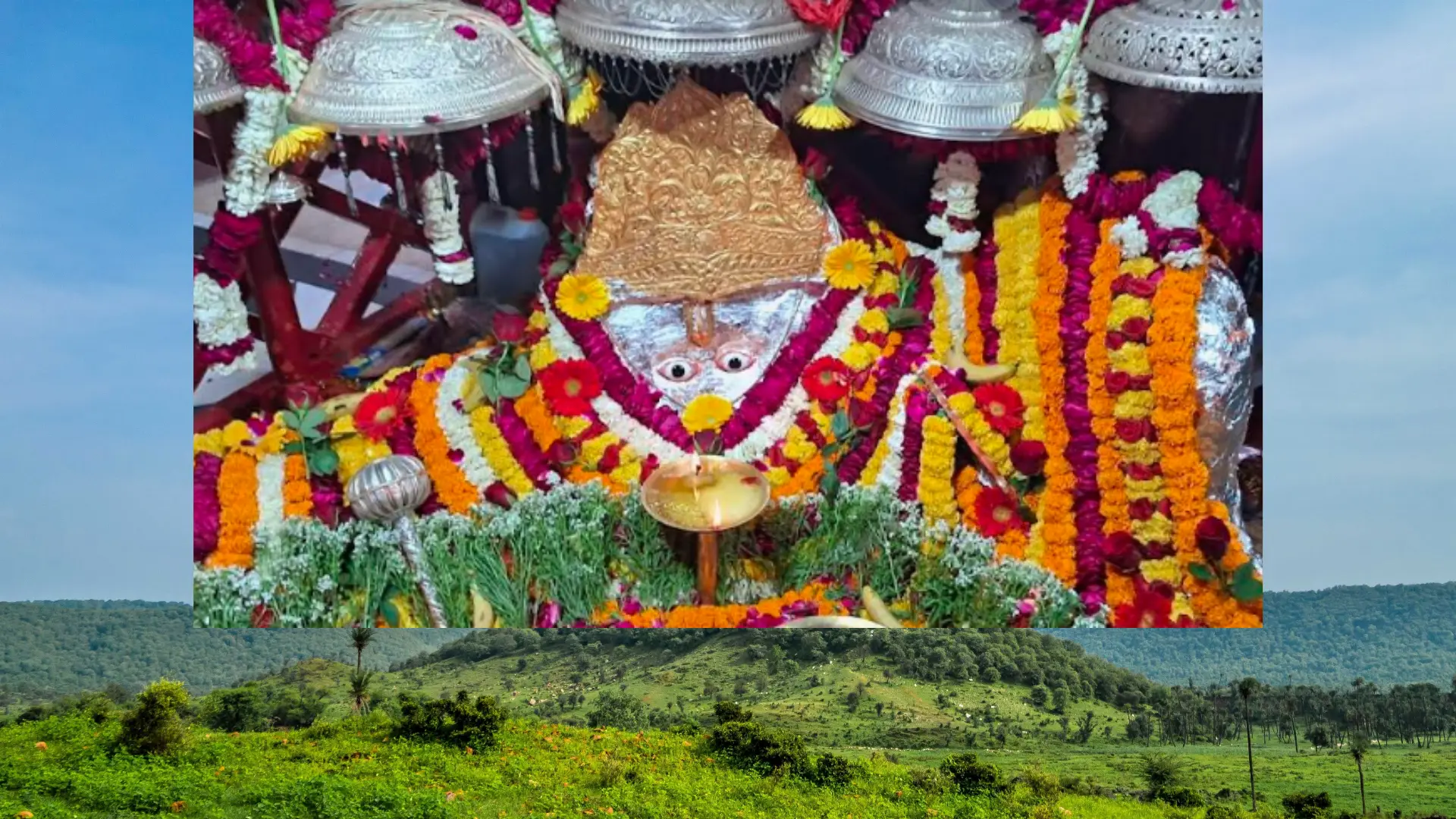
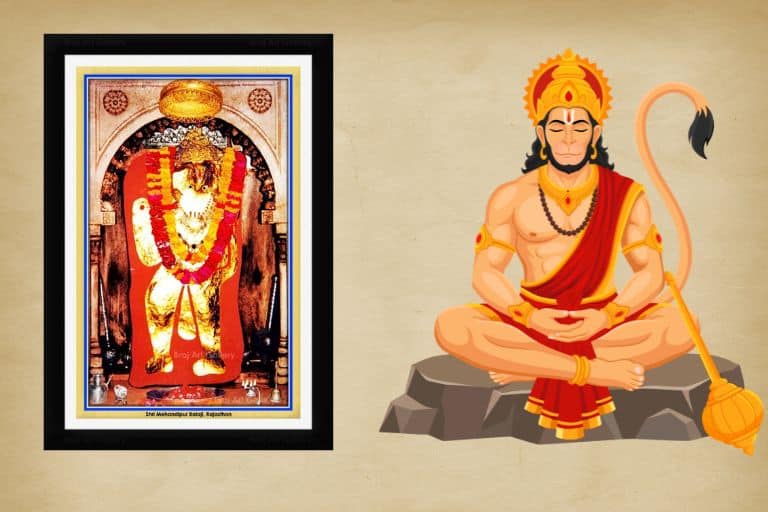
Mehandipur Balaji Temple, Dausa
Mehandipur
Balaji Temple
One of India’s most powerful Hanuman temples, known for spiritual healing and deep devotion.
“A sacred place filled with faith, energy, and spiritual strength.”
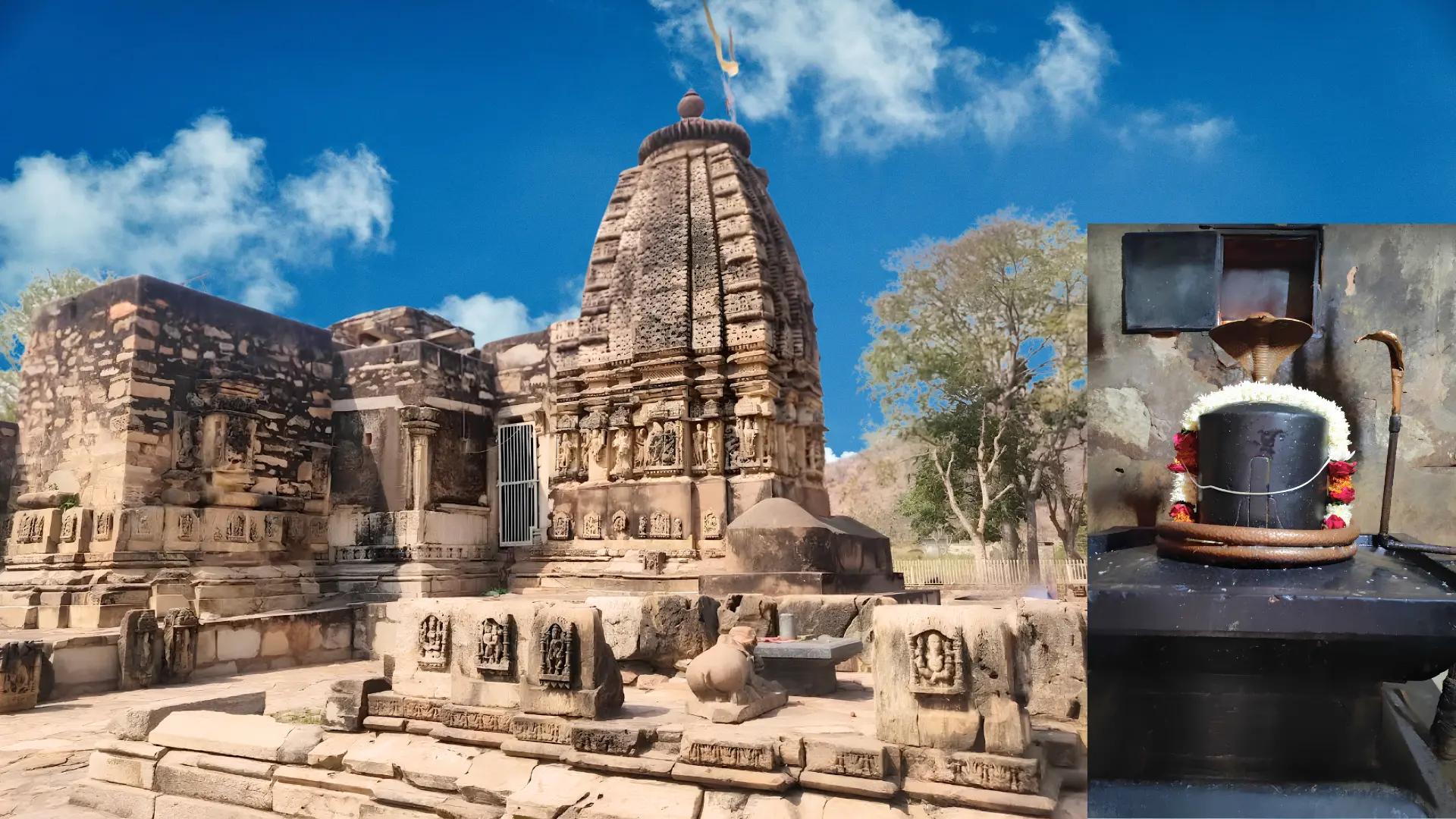
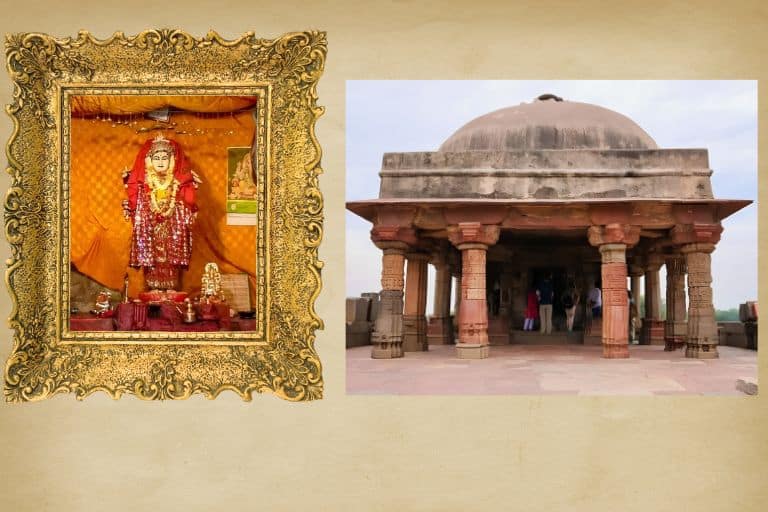
Harshat Mata Temple, Abhaneri, Dausa
Harshat Mata
Temple
An ancient Shakti temple in Abhaneri, admired for its spiritual heritage, intricate architecture, and timeless divine presence.
“A sacred temple where history, devotion, and divine beauty exist together.”
Chand Baori, Abhaneri
Explore the complete guide to Chand Baori in Abhaneri, Rajasthan — including its fascinating history, ancient stepwell architecture, connection with Harshat Mata Temple, timings, entry details, and travel information for visitors.
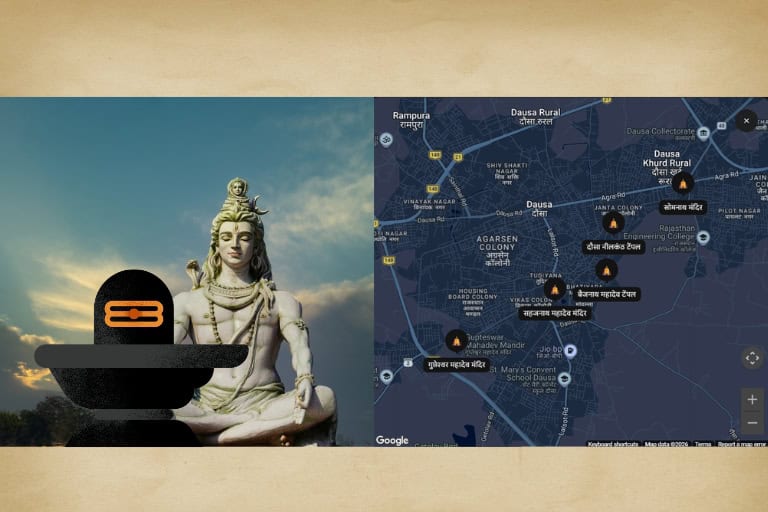
Explore Chand Baori →The Panch Mahadev of Dausa — Five Shiva Temples, One Sacred Circle
Panch Mahadev
Temples
A spiritually revered Shiva pilgrimage in Dausa representing five sacred Mahadev temples deeply connected with devotion and Shaivite faith.
“A sacred Shiva circuit where devotion, peace, and spiritual energy unite together.”
Featured Temples in Dausa
Featured Temples in Dausa
From ancient Shakti shrines to sacred Hanuman mandirs — explore every significant temple across Dausa district.
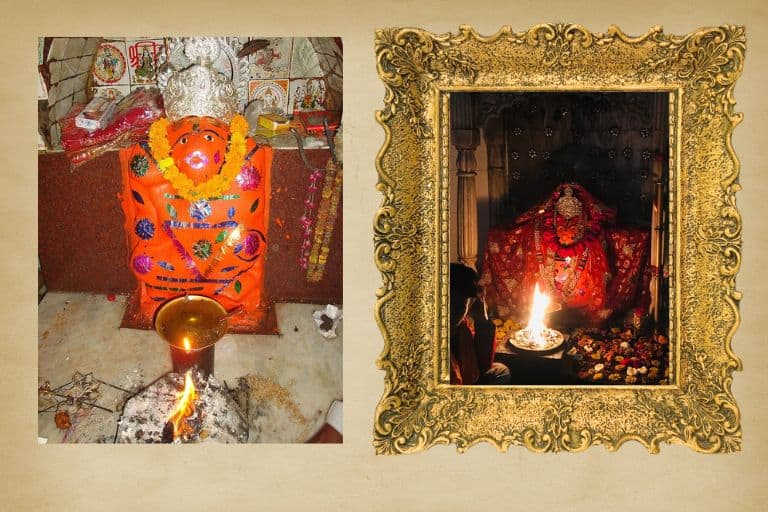
Paplaj Mata Temple
An ancient Kuldevi shrine in the Aravalli hills of Lalsot, revered by thousands of families as their ancestral goddess. The Navratri mela draws devotees from across Rajasthan.
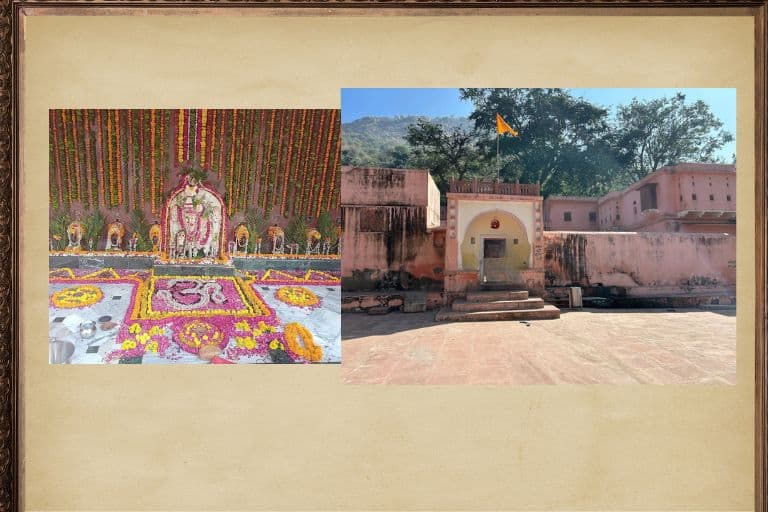
Jhajhirampura Hanuman Mandir
A sacred hilltop mandir in Baswa with a natural water kund and Shiva shrine within its complex. Known for its serene atmosphere and deep-rooted local devotion.
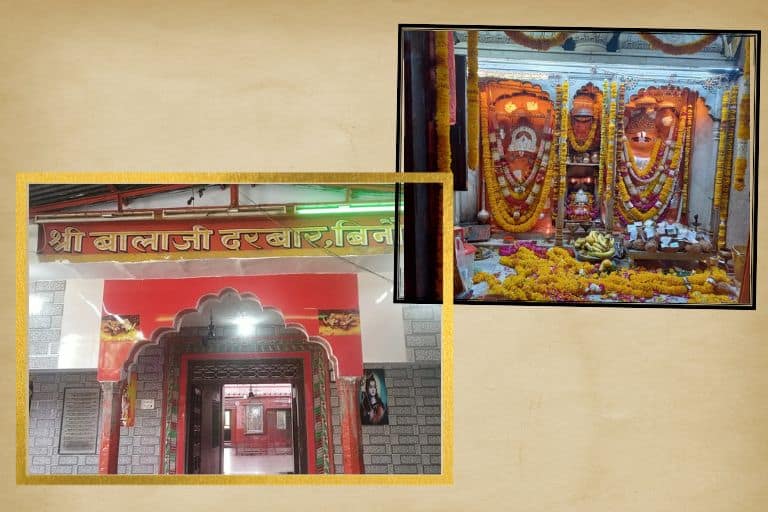
Binori Balaji Temple
A revered Hanuman shrine in Lalsot tehsil, deeply woven into the daily spiritual life of surrounding villages. Devotees visit year-round for blessings and divine protection.
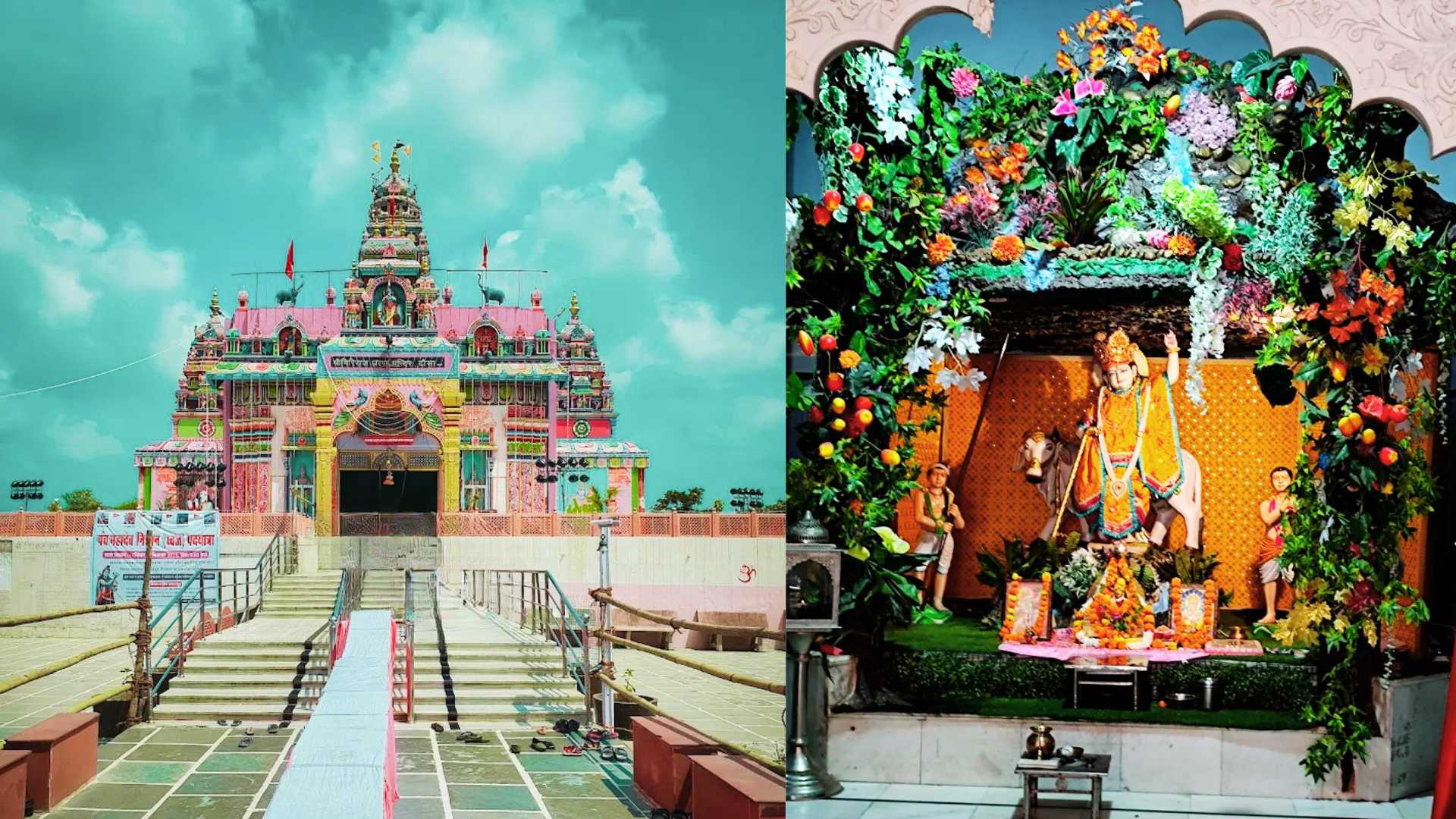
Giriraj Dharan Temple
A magnificent Krishna temple on the Jaipur–Agra Highway distinguished by rare South Indian Gopuram architecture. An unmissable spiritual landmark for all passing devotees.
Village Mata Temples and Gram Devta Temples— The Soul of Temples in Dausa
📍 Location: Across all seven blocks of Dausa District 🙏
Deity: Kuldevi, Gram Devi, local Mata forms, regional Devtas
🏷️ Type: Folk and Community Temples
If Mehandipur Balaji is the crown of Dausa’s spiritual landscape, then these village temples are its roots.
Across every block — Dausa, Bandikui, Lalsot, Mahwa, Sikrai, Ramgarh Pachwara, Nangal Rajawatan — there are hundreds of small shrines, kund-side mandirs, and village deity temples that never appear in any travel article. They are not designed for visitors. They exist purely for the people who have been worshipping there for as long as anyone can remember. These temples carry something no famous pilgrimage site can manufacture: oral history. The story of when the mata appeared in a dream. The miracle at the kund. The festival that began after the year the rains finally came.
Village temples currently being documented by IndiaMandir:
- Brahimani Mata Temple, Mandawari Village (Lalsot area)
- Bijasan Mata Temple, Khura Village (Lalsot area)
- Bayan Mata Ji Temple, Digo Village — Goddess of safe childbirth; Sheetalashtami Mela
- Pali Mata, Malwas Village — Nangal Rajawatan area
- Moroli Balaji Temple — 300-year-old mandir near Amol Dham
If you know of a temple, shrine, or kund that should be recorded here — reach out. Every sacred place deserves to be remembered.
Also Explore While Visiting Temples in Dausa
IndiaMandir is a temple directory — but when you travel to Dausa for darshan, these nearby places are worth a stop.
| Place | Why Visit |
| Chand Baori, Abhaneri | World’s deepest stepwell; beside Harshat Mata; ₹20 entry |
| Getolav Bird Habitat, Dausa | Natural lake with Shiva temple at center; migratory birds in winter |
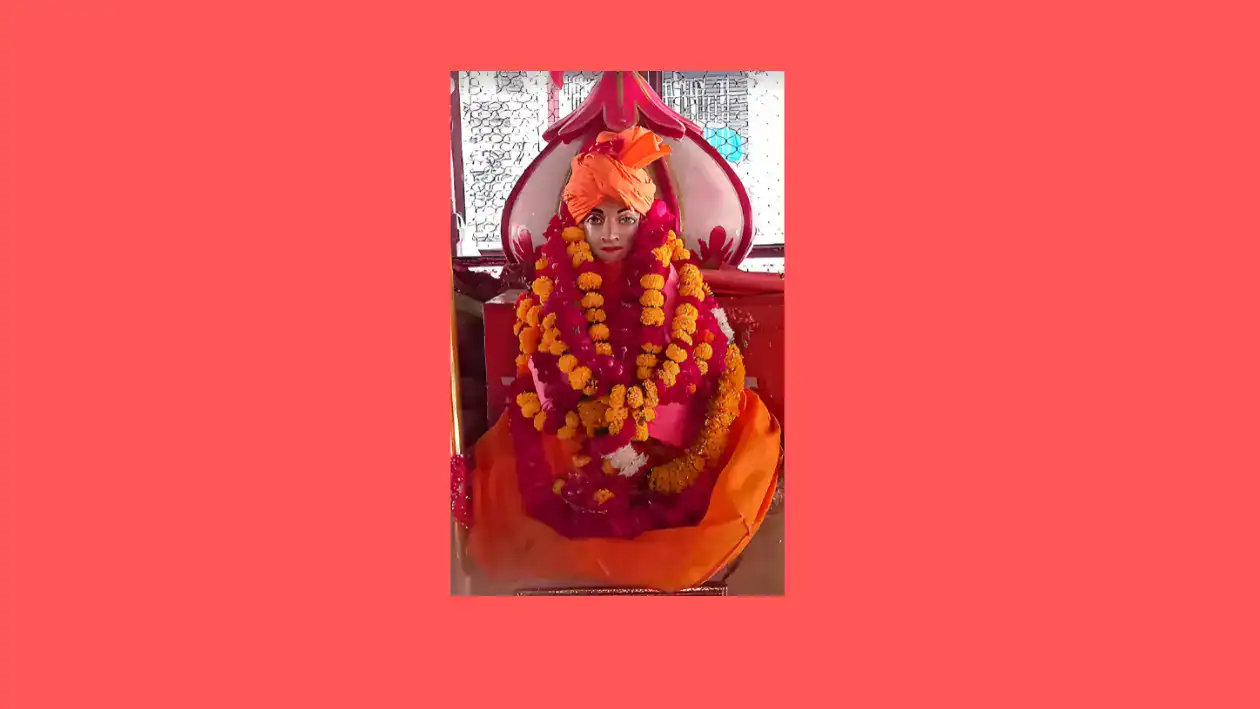
| Sant Sundar Das Ji Panorama | Heritage space of the great Nirgun Bhakti saint; initiated at age 6 by Dadu Dayal Ji |
| Morel Dam, Lalsot | Rajasthan’s largest earthen dam; stunning in monsoon |
| Bhandrej Ki Baori | 1732 CE three-storey stepwell near Delhi–Mumbai Expressway |
| Hela Khayal Dangal, Lalsot | 300-year-old folk tradition performed at Gangaur festival |
What to buy: Balahedi brass utensils, Lawan handmade dari, Baswa clay pottery, Sikandra red sandstone sculpture.
Best Time to Visit for Temples & Festivals in Dausa District
Best Time to Visit Dausa
Dausa’s temples are open year-round, but the experience changes dramatically with the seasons. October to March is the sweet spot for most pilgrims — cool mornings, manageable crowds, and comfortable darshan at every site.
Pleasant weather throughout. Perfect for all temple visits — morning darshan is comfortable, and long parikramas are manageable. Peak pilgrimage season with the most festival activity.
Temperatures reach 42–45°C across the district. Visit only before 8 AM if you must. Most pilgrims avoid this window — afternoon darshan at open-air temples is not recommended.
Green hills, kundas full, waterfalls flowing. The landscape around Neelkanth and Abhaneri transforms entirely. Spiritually intimate — far fewer tourists, deeply atmospheric Sawan melas.
Best Times to Visit — Temple Festivals
| Festival | Temple | Experience |
|---|---|---|
Hanuman Jayanti Chaitra Purnima |
Mehandipur Balaji | Lakhs of devotees; overnight ceremonies — the most charged atmosphere in Dausa |
Navratri Chaitra & Ashwin |
All Mata Temples · Paplaj Mata Peak | Jagran, dandiya, Lakhi Melas; pilgrims arriving on foot |
Mahashivratri |
All Five Panch Mahadev | Complete parikrama circuit; overnight abhishek |
Sawan Month |
Neelkanth Mahadev · All Shiva Temples | Lakhi Mela; kanwar yatras; waterfall season |
Bhadrapad Ashtami |
Paplaj Mata Temple | Peak of the annual Lakhi Mela |
Janmashtami |
Giriraj Dharan Temple | Grand mela + Annakuta prasad |
Jhaljhulni Ekadashi |
Chand Baori · Abhaneri | Once-a-year permission to bathe in the baori |
Major festivals like Hanuman Jayanti at Mehandipur Balaji and Navratri at Paplaj Mata draw lakhs of pilgrims — accommodation near the temples fills up days in advance. If you plan to attend, book your stay early and expect significant crowds on the approach roads. For a quieter but equally spiritual experience, arrive one or two days before the peak date.
How to Reach Dausa District — From Jaipur, Delhi & Agra
How to Reach Dausa District, Rajasthan
Dausa District sits on the Jaipur–Agra highway (NH-21), making it one of Rajasthan’s most accessible temple destinations. Jaipur is just 60 km away, and Delhi is well connected via the expressway. For visiting multiple temple sites across the district, hiring a private vehicle is the most practical approach.
By Road
Most Popular RouteThe most popular and convenient way to reach Dausa. The district lies directly on NH-21 (Jaipur–Agra Highway).
- From Jaipur: ~60 km · 1–1.5 hours via NH-21
- From Delhi: ~250 km · 4.5–5 hours via Delhi–Mumbai Expressway
- From Agra: ~230 km · 4–4.5 hours via NH-21
By Train
Nearest Railway StationsDausa Railway Station is on the Jaipur–Agra rail route — approximately 1 hour from Jaipur Junction.
Two additional useful stops on the same line:
- Bandikui Junction — 8 km from Abhaneri (Harshat Mata Temple)
- Baswa Station — 3 km from Jhajhirampura
By Air
Nearest AirportThe nearest airport is Jaipur International Airport (Sanganer), approximately 60–70 km from Dausa town.
Well connected to major Indian cities. Drive takes approximately 1 to 1.5 hours.
Getting Around Within Dausa
Local Transport Options🛺 Auto-Rickshaws & Shared Jeeps
Connect local temple sites within Dausa town. Readily available near the bus stand and railway station.
🚌 Direct Buses to Mehandipur Balaji
Regular buses run from Dausa town, especially frequent on weekends and festival days.
🚕 Private Taxi for Temple Circuit
For a full-day circuit covering multiple temples, a private taxi is the most convenient option. Negotiate a day-hire rate.
| From | Distance | Travel Time | Route |
|---|---|---|---|
Jaipur |
~60 km | 1 – 1.5 hours | NH-21 (Jaipur–Agra Highway) |
Delhi |
~250 km | 4.5 – 5 hours | Delhi–Mumbai Expressway via Dausa |
Agra |
~230 km | 4 – 4.5 hours | NH-21 |
Bandikui Jn. |
~8 km | 15 – 20 minutes | To Abhaneri (Harshat Mata) |
Baswa Station |
~3 km | ~10 minutes | To Jhajhirampura |
Dausa’s key temples are spread across the district but manageable in a single day. Start early at Mehandipur Balaji for morning darshan, drive to Harshat Mata Temple and Chand Baori at Abhaneri for the afternoon, then close the day at Bhandarej Mata on your way back to Jaipur. A private taxi hired from Jaipur is the most comfortable way to cover this circuit — negotiate a full-day rate before you leave.
Frequently Asked Questions (FAQs) about Temples in Dausa District
FAQs About Temples in Dausa District
Find answers to common questions about Mehandipur Balaji, Harshat Mata Temple, Panch Mahadev, Chand Baori, and temple tourism in Dausa district, Rajasthan.
Mehandipur Balaji Temple is the most famous temple in Dausa district and one of India’s most visited Hanuman temples. The temple attracts lakhs of devotees seeking spiritual healing and blessings from Shri Balaji Maharaj.
Mehandipur Balaji Temple is famous for its powerful spiritual atmosphere and unique rituals associated with relief from negative energies. The temple is dedicated to Shri Balaji, Pretraj Sarkar, and Kotwal Bhairav Ji.
Some of the best temples in Dausa district include Mehandipur Balaji Temple, Harshat Mata Temple, Neelkanth Mahadev Temple, Panch Mahadev temples, Paplaj Mata Temple, and several ancient Shiva and Shakti shrines.
Yes. Dausa is one of Rajasthan’s most important spiritual and heritage destinations, known for ancient temples, Chand Baori stepwell, Shiva shrines, village mandirs, and living devotional traditions.
Panch Mahadev Dausa refers to five ancient Shiva temples located around Dausa city — Neelkanth, Bajnath, Sahajnath, Somnath, and Gupteshwar Mahadev — forming a sacred Shiva pilgrimage circuit.
Dausa is approximately 60 km from Jaipur via NH-21 and can be reached in around 1 to 1.5 hours by road. Regular trains, buses, taxis, and private vehicles connect Jaipur and Dausa daily.
Harshat Mata Temple in Abhaneri is famous for its 9th-century temple architecture, intricate carvings, and its location beside the world-famous Chand Baori stepwell.
Neelkanth Mahadev Temple is considered one of the oldest Shiva temples in Dausa district. Located on Devgiri Hill, the temple has long been associated with pilgrimage, meditation, and Mahashivratri worship.
Neelkanth Mahadev Temple is located on Devgiri Hill in Dausa city, Rajasthan. The temple is known for its peaceful atmosphere, hilltop views, and ancient Shiva worship traditions.
Neelkanth Mahadev Temple is special because of its hilltop location, connection to the Panch Mahadev circuit, scenic monsoon surroundings, and strong Shiva devotion during Sawan and Mahashivratri.
Chand Baori is located in Abhaneri village in Dausa district, Rajasthan, around 95 km from Jaipur. It is one of India’s oldest and largest stepwells and stands beside Harshat Mata Temple.
Temples in Nearby Districts — Extend Your Yatra
Dausa sits at the heart of Rajasthan’s richest spiritual corridor. Natural extensions of your journey:
🛕 Jaipur District — Govind Dev Ji Temple, Birla Mandir, Galtaji Monkey Temple, Moti Dungri Ganesh. Natural base for eastern Rajasthan. [→ Read the Complete Guide to Temples in Jaipur District]
🛕 Alwar District — Ancient temples in the Aravalli hills; Neelkanth Temple at Rajgarh; Sariska heritage. [→ Read the Complete Guide to Temples in Alwar District]
🛕 Karauli District — Kaila Devi Temple, one of the most revered Shakti peethas in North India.
🛕 Sawai Madhopur District — Trinetra Ganesh Temple at Ranthambore Fort — the only three-eyed Ganesha temple in India. [→ Read the Complete Guide to Temples in Sawai Madhopur District]
A Few Last Words — About Temples in Dausa
Some places give you photos. Some give you memories. Dausa gives you something harder to name.
A pause. A stillness. Something that quietly settles inside you and does not leave when you drive back to the city.
Maybe it is the bells at Mehandipur, ringing through a valley that has heard them for centuries. Maybe it is the stone face of Harshat Mata at Abhaneri, still watching over a step-well that was already ancient when she was carved. Maybe it is 365 steps in the morning mist climbing toward Neelkanth. Maybe it is just a village temple with one lamp burning and nobody watching — faith so pure it has nothing to prove.
Whatever it is, it stays.
Come with an open heart. You will leave with something you did not expect to find.
Jai Bajrang Bali 🙏 Har Har Mahadev 🙏 Jai Mata Di 🙏
References and Sources
- Rajasthan Tourism — Dausa — official state tourism department page
- Incredible India — Dausa — Ministry of Tourism, Government of India
- Dausa District Administration — official district portal, Government of Rajasthan
- iGOD — Dausa Sub-Districts — Government of India administrative data
- Dausa Nagar Parishad — municipal council, About section
- Google Maps — Dausa — location and route verification
- IndiaMandir team — on-ground visit notes and verification